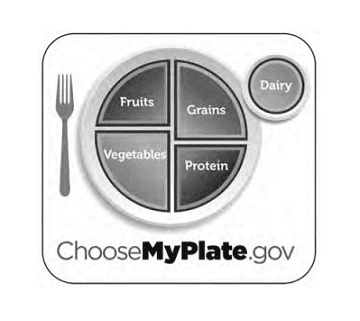
Humans need a variety of healthy foods, exercise, and rest in order to grow and maintain good health.
Individuals within a species may compete with each other for food, mates, space, water, and shelter in their environment.
Green plants are producers because they provide the basic food supply for themselves and animals.
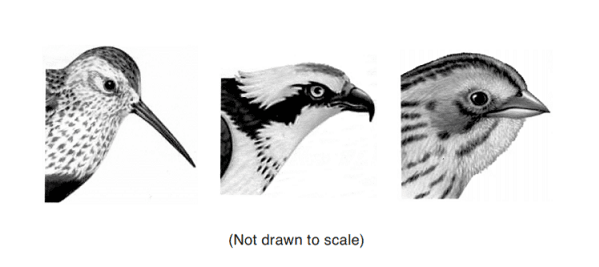
Each animal has different structures that serve different functions in growth, survival, and reproduction.
• wings, legs, or fins enable some animals to seek shelter and escape predators;
• the mouth, including teeth, jaws, and tongue, enables some animals to eat and drink;
• eyes, nose, ears, tongue, and skin of some animals enable the animals to sense their surroundings;
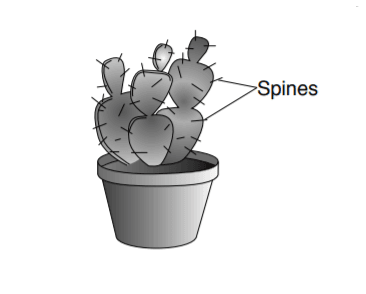
• claws, shells, spines, feathers, fur, scales, and color of body covering enable some animals to protect themselves from predators and other environmental conditions, or enable them to obtain food;
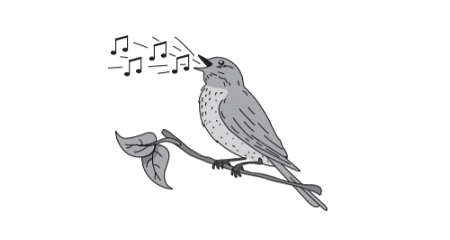
• some animals have parts that are used to produce sounds and smells to help the animal meet its needs;
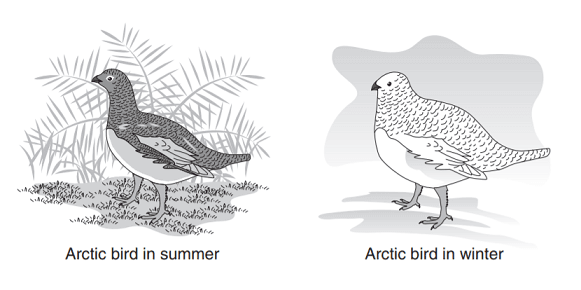
• the characteristics of some animals change as seasonal conditions change (e.g., fur grows and is shed to help regulate body heat; body fat is a form of stored energy and it changes as the seasons change)
An organism’s external physical features can enable it to carry out life functions in its particular environment.
Some animal behaviors are influenced by environmental conditions. These behaviors may include: nest building, hibernating, hunting, migrating, and communicating.
Plants manufacture food by utilizing air, water, and energy from the Sun.
Animals need air, water, and food in order to live and thrive.
Living things grow, take in nutrients, breathe, reproduce, eliminate waste, and die.
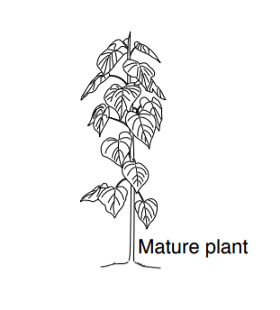
Life cycles of some plants include changes from seed to mature plant.
In order to survive in their environment, plants and animals must be adapted to that environment.
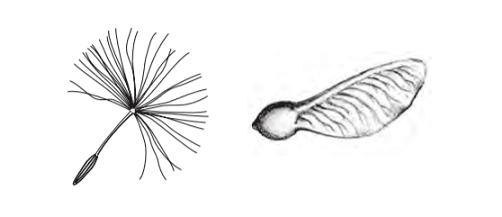
• seeds disperse by a plant’s own mechanism and/or in a variety of ways that can include wind, water, and animals;
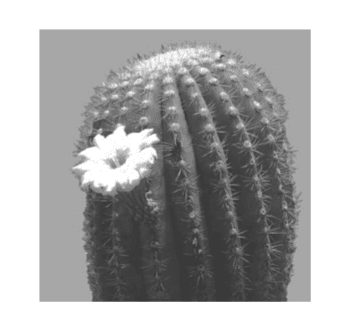
• leaf, flower, stem, and root adaptations may include variations in size, shape, thickness, color, smell, and texture;
• animal adaptations include coloration for warning or attraction, camouflage, defense mechanisms, movement, hibernation, and migration
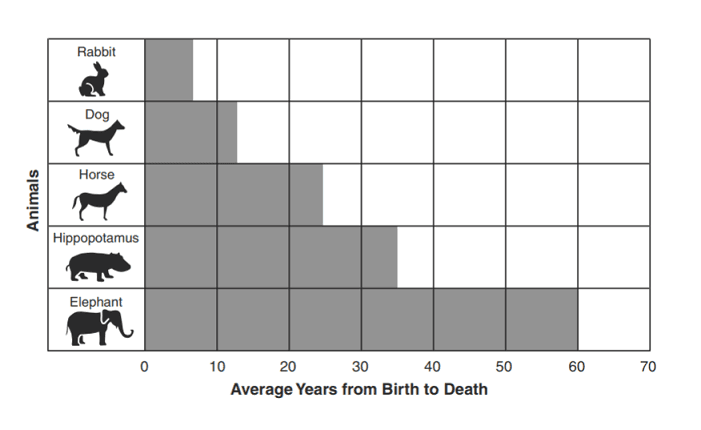
The length of time from an animal’s birth to its death is called its life span. Life spans of different animals vary.
Nonliving things do not live and thrive.
Decomposers are living things that play a vital role in recycling nutrients.
Good health habits include hand washing and personal cleanliness; avoiding harmful substances (including alcohol, tobacco, illicit drugs); eating a balanced diet; engaging in regular exercise.
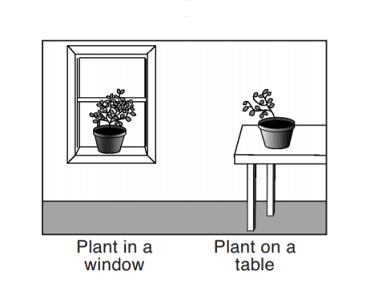
Plants require air, water, nutrients, and light in order to live and thrive.
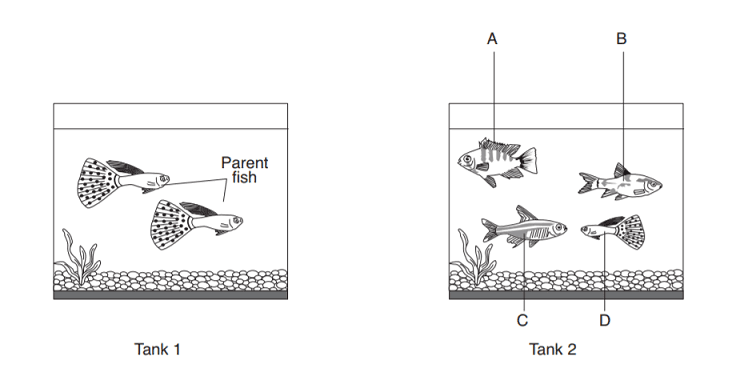
Plants and animals closely resemble their parents and other individuals in their species.
Food supplies the energy and materials necessary for growth and repair.
Each kind of plant goes through its own stages of growth and development that may include seed, young plant, and mature plant.
Each kind of animal goes through its own stages of growth and development during its life span.
Particular animal characteristics are influenced by changing environmental conditions including: fat storage in winter, coat thickness in winter, camouflage, shedding of fur.
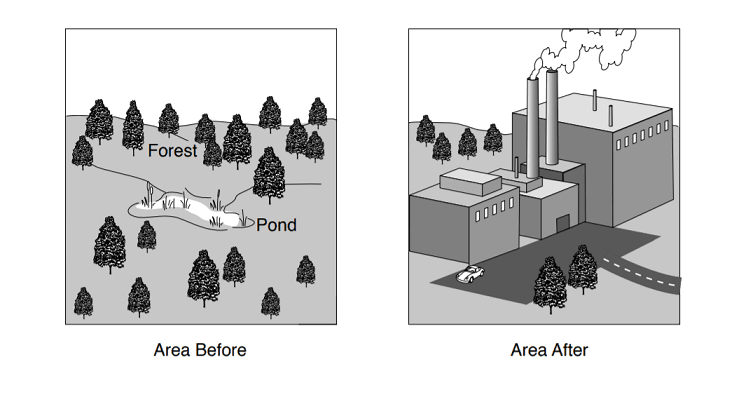
Humans, as individuals or communities, change environments in ways that can be either helpful or harmful for themselves and other organisms.
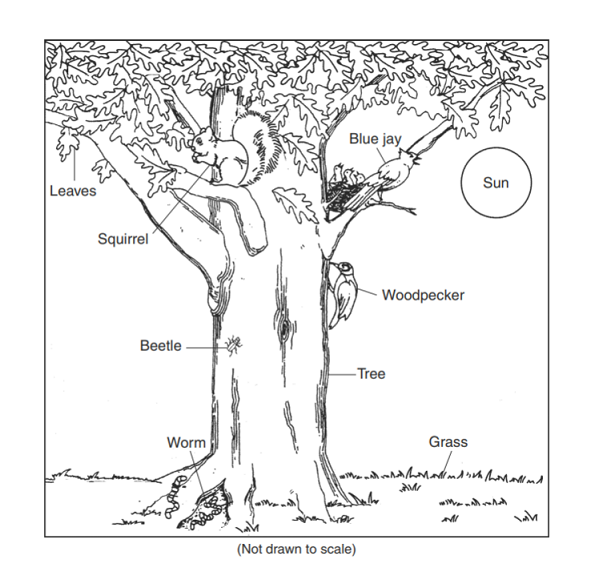
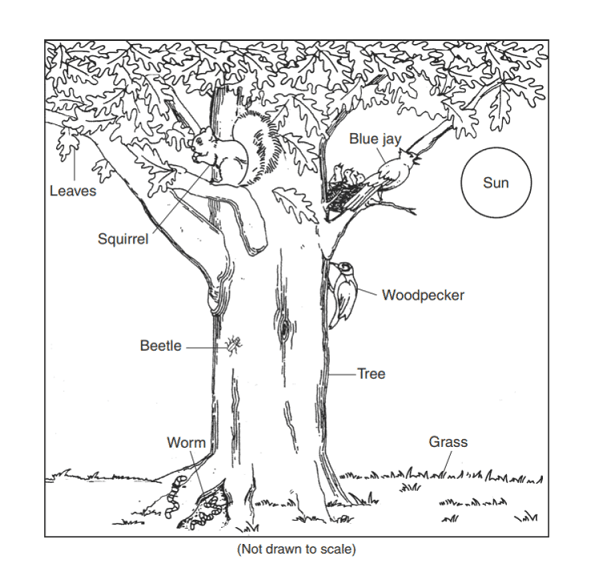
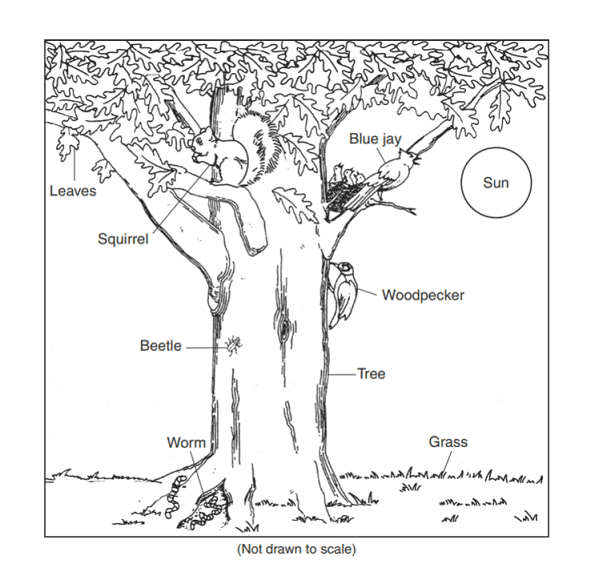
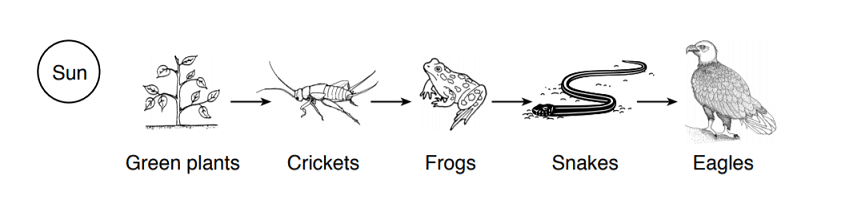
The Sun’s energy is transferred on Earth from plants to animals through the food chain.
Senses can provide essential information (regarding danger, food, mates, etc.) to animals about their environment.
Growth is the process by which plants and animals increase in size.
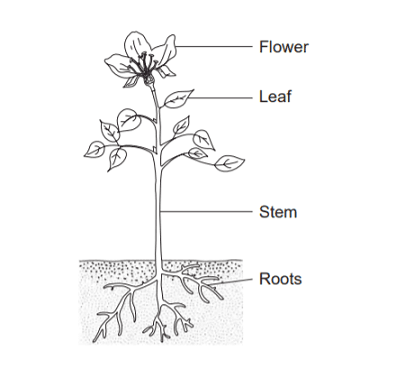
Each plant has different structures that serve different functions in growth, survival, and reproduction.
• roots help support the plant and take in water and nutrients;
• leaves help plants utilize sunlight to make food for the plant;
• stems, stalks, trunks, and other similar structures provide support for the plant;
• some plants have flowers;
• flowers are reproductive structures of plants that produce fruit which contains seeds;
• seeds contain stored food that aids in germination and the growth of young plants
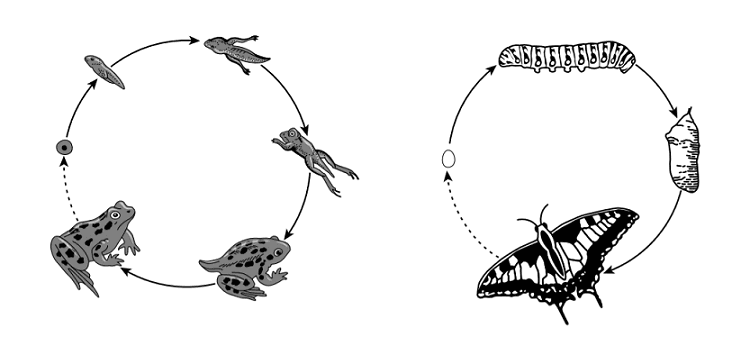
Each generation of animals goes through changes in form from young to adult. This completed sequence of changes in form is called a life cycle. Some insects change from egg to larva to pupa to adult.
An organism’s pattern of behavior is related to the nature of that organism’s environment, including the kinds and numbers of other organisms present, the availability of food and other resources, and the physical characteristics of the environment.
Some traits of living things have been inherited (e.g., color of flowers and number of limbs of animals).
Animals respond to change in their environment (e.g., perspiration, heart rate, breathing rate, eye blinking, shivering, and salivating).
Some animals, including humans, move from place to place to meet their needs.
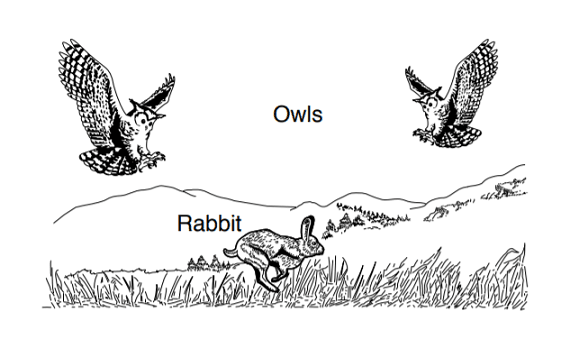
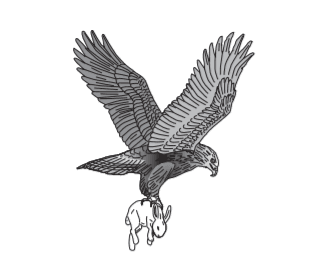
All animals depend on plants. Some animals (predators) eat other animals (prey).
When the environment changes, some plants and animals survive and reproduce, and others die or move to new locations.
Heat energy from the Sun powers the water cycle (see Physical Science Key Idea 2).
Nonliving things can be humancreated or naturally occurring.
Plants respond to changes in their environment. For example, the leaves of some green plants change position as the direction of light changes; the parts of some plants undergo seasonal changes that enable the plant to grow; seeds germinate, and leaves form and grow.
Animals that eat plants for food may in turn become food for other animals. This sequence is called a food chain.
Track each student's skills and progress in your Mastery dashboards