Loading...


8.L.3 Ecosystems Review Quiz
Quiz by Jessica Bethea
Track each student's skills and progress in your Mastery dashboards
Non-living things in an ecosystem are known as

Limiting Factors
Carrying Capacity
Abiotic
Biotic
Non-living things in an ecosystem are known as
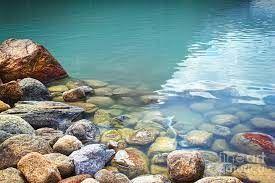
The most important abiotic factor in an ecosystem since it provides energy to producers
All of the organisms in an area including the abiotic factors

What do earthworms, slugs, and mushrooms have to do with soil?
Most organisms in an ecosystem eat only one type of organism
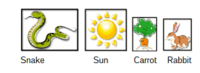
The parts of the food chain in the picture are out of order. Which picture should be first in the food chain shown?
Ostriches and gazelles eat together. They both watch for predators and danger. Since they see things differently, they each can identify threats the other animal may not see. Both species are benefited. Which type of relationship is this?

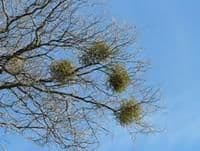
Mistletoe takes water and nutrients from the oak tree. This is good for the mistletoe but bad for the tree. What type of relationship is this?
A bison walks through the grass, insects fly up and are seen and eaten by egrets. This neither harms nor helps the bison, but it is easier for the egrets to get food. What type of relationship is this?

If the trees are destroyed in a forest fire, what could happen to the rest of the food chain?