Tag the questions with any skills you have. Your dashboard will track each student's mastery of each skill.
Give this quiz to my class
Q 1/26
Score 0
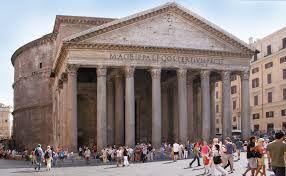
Define Greco-Roman:
120
Having characteristics of Roman culture with no Greek influence.
Having characteristics of Indian culture with a strong Greek influence.
Having characteristics of Roman culture with a strong Greek influence.
Q 2/26
Score 0
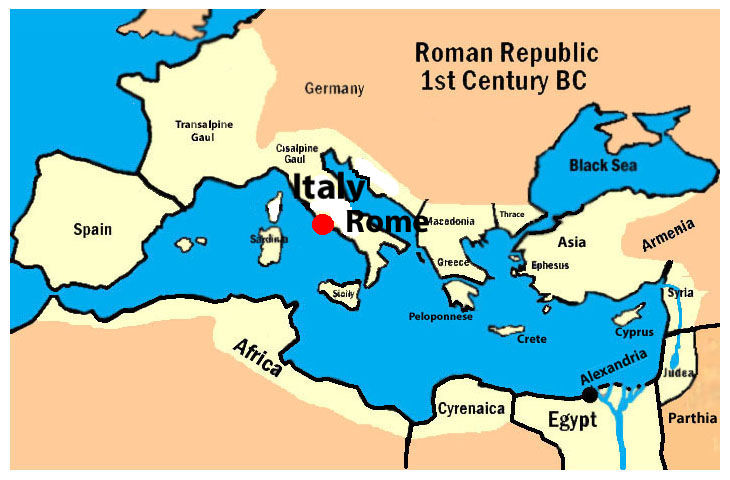
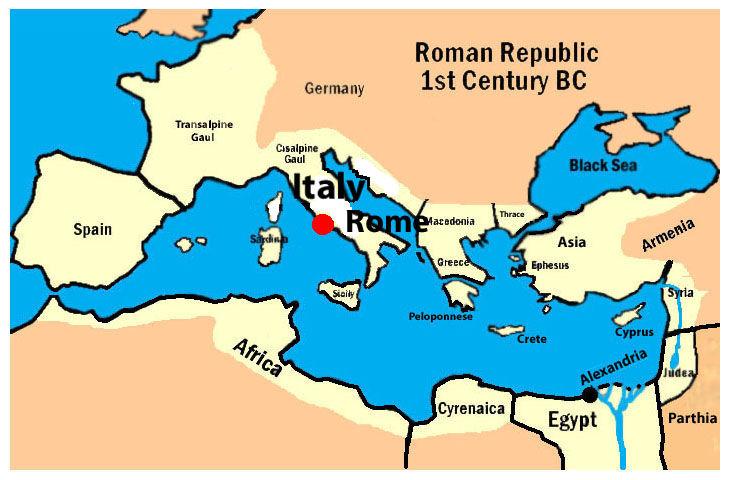
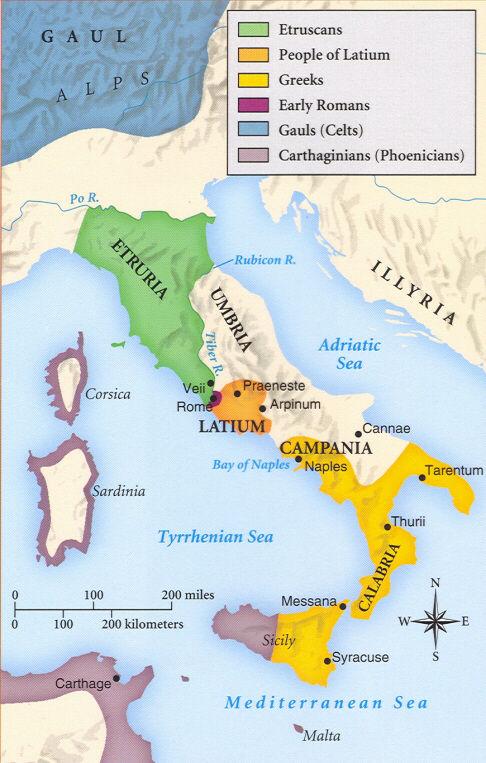
Rome is located in modern day _______.
120
Egypt
Italy
Spain
26 questions
Q.
Define Greco-Roman:
1
120 sec
Q.
Rome is located in modern day _______.
2
120 sec
Q.
Italy is a peninsula meaning it is ____________.
3
120 sec
Q.
The Roman's copied Greek _______ in many of their buildings.
4
120 sec
Q.
Roman architecture borrowed a lot from ancient Greece, but the Romans eventually invented ______ as a building material.
5
120 sec
Q.
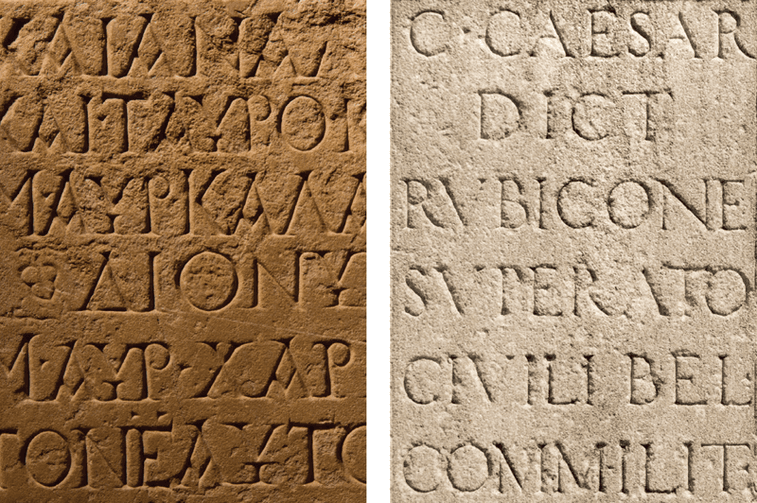
The Romans adapted the Greek alphabet. The Romans wrote their inscriptions on _____.
6
120 sec
Q.
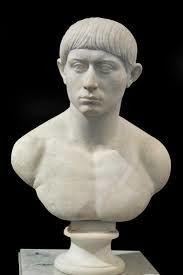
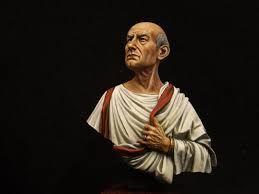
Roman sculptors became especially skilled in creating lifelike portraits such as realistic _______, or statues showing the subject's head and shoulders.
7
120 sec
Q.
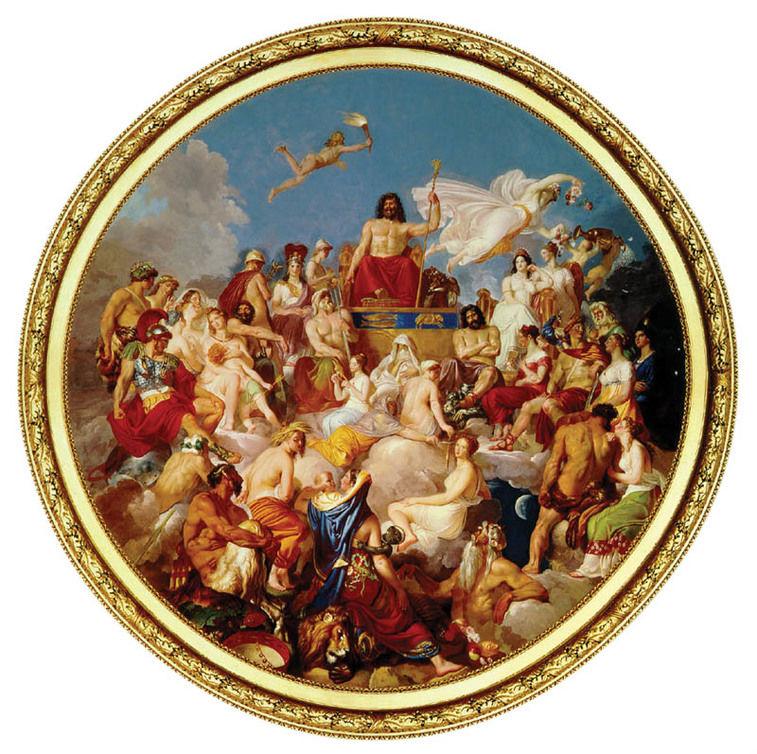
When the Romans encountered a similar god from another culture, they ______ that god's characteristics with those of their own.
8
120 sec
Q.
The Roman equivalent of Zeus was _________.
9
120 sec
Q.
____________ kings from northern Italy ruled early Rome.
10
120 sec
Q.
Define patrician:
11
120 sec
Q.
Define plebeian:
12
120 sec
Q.
In the early Roman Republic, who had more power?
13
120 sec
Q.
What is a republic?
14
120 sec
Q.
What does the word senator mean?
15
120 sec
Q.
How many people were in the early Roman senate?
16
120 sec
Q.
The two elected leaders of the senate were called _______.
17
120 sec
Q.
Because laws were not ________ in the early republic, patricians often changed or interpreted the laws to benefit themselves.
18
120 sec
Q.
The struggle between plebeians and patricians is referred to as the _____ of the Orders.
19
120 sec
Q.
What did the plebeians do to revolt against patrician rule that was unfair to them?
20
120 sec
Q.
Who did the tribunes in the Roman Senate represent after the revolt?
21
120 sec
Q.
What did the Council of Plebs do?
22
120 sec
Q.
Around the year 451 B.C.E., the patricians agreed for laws to be __________ on tablets called the Twelve Tables.
23
120 sec
Q.
Next, in 367 B.C.E., a new law stated that one of the two __________ must be a plebeian.
24
120 sec
Q.
Finally, in 287 B.C.E., the plebeians earned the right to pass _____ for all Roman citizens.