Loading...

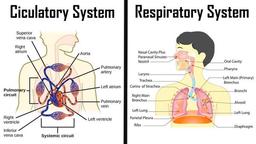
Circulatory and Respiratory System
Quiz by Kim Dela Cruz
Tag the questions with any skills you have. Your dashboard will track each student's mastery of each skill.
1. Which of the following respiratory organs is responsible for gas exchange?
What component of blood also acts as part of our immune system?
What chamber of heart receives oxygen-poor blood from all parts of the body except from the lungs?
1. Which of the following is NOT a mechanism of inhalation process?
What accessory organ of the respiratory system that moves up and down in order help the lungs in its function in the breathing process?
Which of the following statements best explain why arteries are larger blood vessels than the veins? Arteries _____________________.
Which of the following is NOT a mechanism of exhalation process?
What happens to the diaphragm during inhalation? The diaphragm _______________________.
What is the correct complete path of deoxygenated blood from your brain to your lungs releasing carbon dioxide in the exhalation process?
Which of the following best explain how your lungs and diaphragm work together in the process of breathing?
What is the correct sequence of events that demonstrates how the respiratory and circulatory systems cooperate to deliver oxygen to the body's tissues?
I. Oxygen is breathed in, traveling from the nose to the lungs.
II. Cabrondioxide is expelled from the lungs as you breathe out.
III. Theright ventricle contracts, sending blood to the pulmonary artery.
IV. Oxygen-poor,carbon dioxide-rich blood returns to the right atrium via veins.
V. Inthe walls of alveoli, oxygen diffuses into the bloodstream going to the heart.
VI. Oxygen-richblood flows into the left atrium, is pumped by the left ventricle, anddistributed throughout the body.
Which of the following blood vessels in the illustration that serves as passage way only for blood carrying oxygen gas?
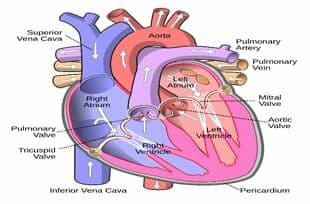
Which of the following shows the correct path of oxygen from your lungs to the heart and then distributed to all body parts?
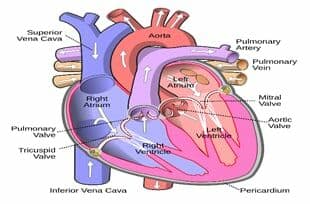
The close connection between the respiratory and circulatory systems is essential for human survival. Given this statement, which of the following options best emphasizes the interdependence of these two systems in ensuring optimal oxygen delivery and carbon dioxide removal?
The following are diseases of respiratory system except:
The alveoli are tiny, air-filled sacs in the lungs responsible for gas exchange. How does cigarette smoking damage the alveoli? It ____________________________.
The following are unhealthy lifestyle that can affect your body system EXCEPT:
As a young adolescent, how can you maintain a healthy respiratory and circulatory body systems?
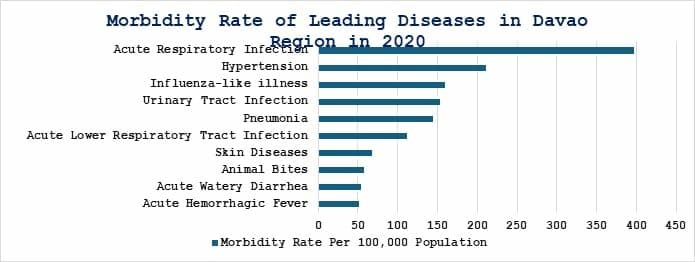
Based on the provided data on morbidity rates, what are the most likely causes of the high prevalence of respiratory and circulatory diseases?
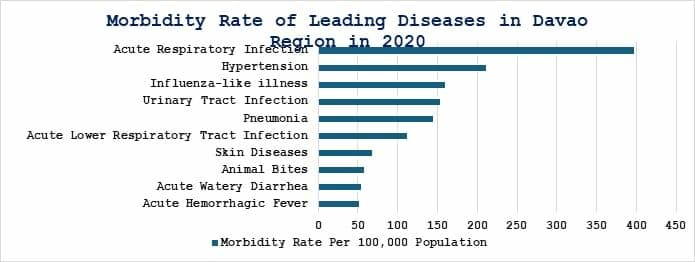
Given the data on morbidity rates for various diseases, which of the following public health strategies would be most effective in promoting overall population health and reducing the incidence of respiratory and circulatory related illnesses?