Earth and Space Science
Quiz by Megan Haselow
Feel free to use or edit a copy
includes Teacher and Student dashboards
Measure skillsfrom any curriculum
Measure skills
from any curriculum
Tag the questions with any skills you have. Your dashboard will track each student's mastery of each skill.
With a free account, teachers can
- edit the questions
- save a copy for later
- start a class game
- automatically assign follow-up activities based on students’ scores
- assign as homework
- share a link with colleagues
- print as a bubble sheet
26 questions
Show answers
- Q1Which layer of the Earth is the largest?Outer CoreMantleCrustInner Core30s
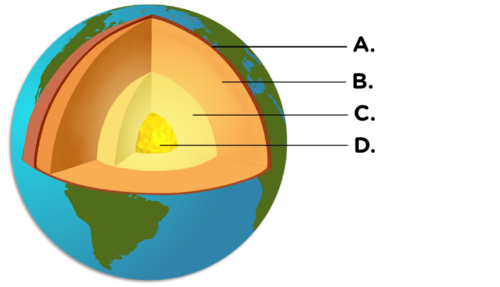
- Q2Which layer is shown as 'A'?CrustMantleOuter CoreInner Core30s
- Q3Which layer is shown as 'B'?Outer CoreMantleCrustInner Core30s
- Q4Which layer is shown as 'C'?CrustMantleInner CoreOuter Core30s
- Q5Which layer is shown as 'D'?Outer CoreCrustMantleInner Core30s
- Q6Which layer of the Earth contains all life?Inner CoreMantleOuter CoreCrust30s
- Q7How does magma move in the mantle?Conduction currentsConvection currentsMagma doesn't moveLike a river30s
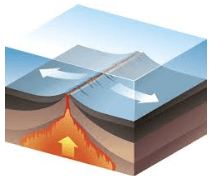
- Q8What type of boundary is shown?DivergentTransformConvergentSubduction30s
- Q9What type of boundary is shown?DivergentTransformConvergentSubduction30s
- Q10What boundary is shown?ConvergentTransformDivergentSubduction30s
- Q11What boundary is shown?SubductionTransformDivergentConvergent30s
- Q12What type of rock is formed by cooling magma?Metamorphic rockSedimentary rockIgneous rock30s
- Q13What type of rock is formed by heat and pressure?Metamorphic rockSedimentary rockIgneous rock30s
- Q14What type of rock is formed by deposition, compaction, and cementation?Metamorphic rockSedimentary rockIgneous rock30s
- Q15How are sediments formed?Weathering and erosionMeltingCoolingHeat and pressure30s