Tag the questions with any skills you have. Your dashboard will track each student's mastery of each skill.
Give this quiz to my class
Q 1/18
Score 0
What type of fossil has parts of an organism found in tar, amber or ice?
45
mold fossil
preserved remains
cast fossil
trace fossil
Q 2/18
Score 0
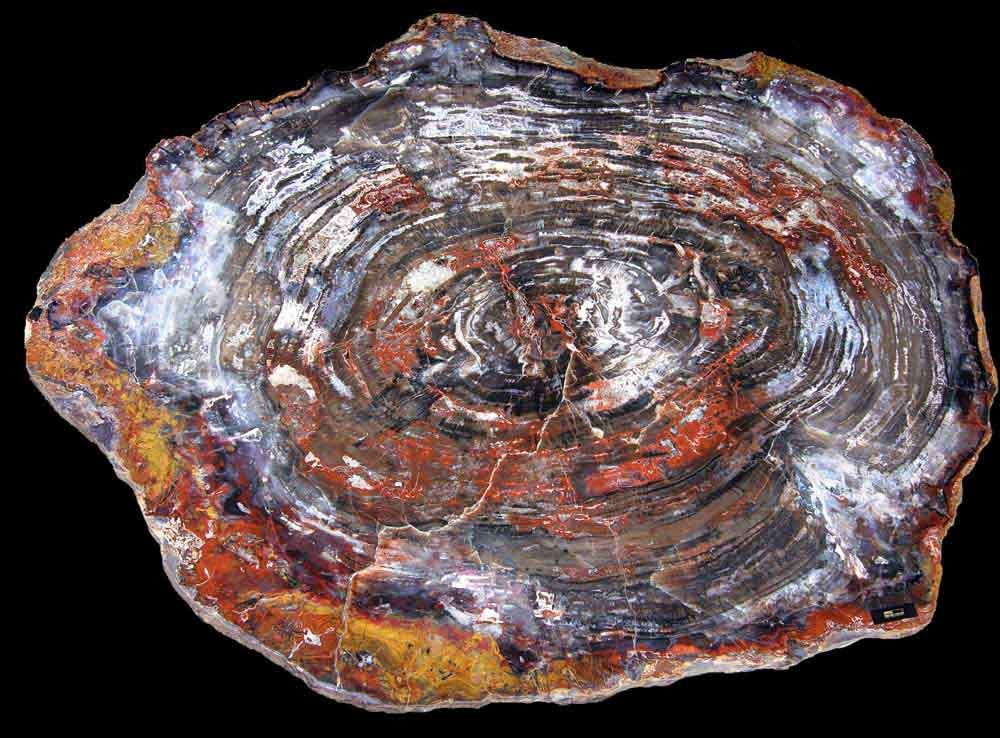
What type of fossil is shown in the picture?
45
carbon film
mold fossil
petrified fossil
cast fossil
18 questions
Q.
What type of fossil has parts of an organism found in tar, amber or ice?
1
45 sec
Q.
What type of fossil is shown in the picture?
2
45 sec
Q.
What kind of fossil is shown here? (This fossil contains little to no depth. It is only a thin layer showing the details of this dragonfly)
3
45 sec
Q.
What kind of fossil is this?
4
45 sec
Q.
Although this is not a real fossil :), what type of fossil does it represent?
5
45 sec
Q.
Which layer in this diagram is the oldest?
6
60 sec
Q.
Which occurred first, layer D or fault E?
7
60 sec
Q.
Which is older, fault 2 or rock layer 3?
8
60 sec
Q.
Which is younger, the layer of limestone or rock layer 3?
9
60 sec
Q.
What is true about the half life of a radioactive element?
10
30 sec
Q.
After two half lives have passed, what percentage of the original sample of a radioactive element is left?
11
30 sec
Q.
If you had 200 g of a radioactive element, how many grams would be undecayed after 3 half lives?
12
30 sec
Q.
If 10 percent of a sample of a radioactive element were decayed after 3 days, how long is the half-life of this element?
13
30 sec
Q.
Carbon-14 is radioactive and it decays into Nitrogen-14 which is stable. If you started with a sample of 3,000 g of Carbon-14 and 20% of the sample decayed, how much Nitrogen-14 can you expect in your sample?
14
30 sec
Q.
The relative age of an object is...
15
30 sec
Q.
The absolute age of an object is ...
16
30 sec
Q.
What is a drawback to relative dating of fossils or rock layers?
17
30 sec
Q.
What is a drawback to absolute dating of fossils or rock layers?