Loading...


In class Study Quiz
Quiz by Ryan Hendrickson
Tag the questions with any skills you have. Your dashboard will track each student's mastery of each skill.
I am the basic unit of life
Maintaining a stable internal environment is called?
Viral replication style in which the virus immediately attacks the host cell.
These viruses integrate their DNA into the host and will enter dormancy
Prokaryotic cells have a nucleus
Ribosomes make proteins
Process of converting light energy into chemical energy.
Viruses aren't considered alive, because they only evolve and____________________?
Naming an animal by its genus and species is its
Cell walls and chloroplasts are usually associated with these organisms
Use the dichotomous key to find the organism
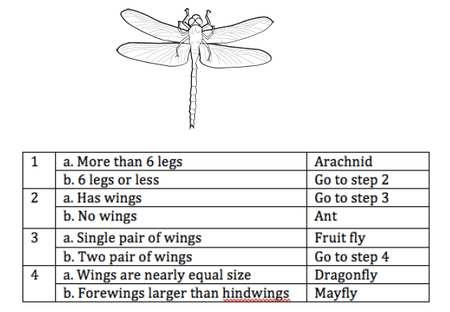
Using your purple sheet, what do kingdoms Animalia, Plantae, Fungi, and Protista all have in common
To put things in perspective: If you said a classroom is a eukaryotic cell, then a prokaryotic cell would be about the size of your desk. A virus would be the size of your pencil or pen tip. They contain only a portion of the DNA a eukaryote has.
If a eukaryotic cell has 5 million bases in it's DNA, which number below best describes a virus
Using your study guide, which piece does a virus not have?
What is a significant difference between a prokaryote and a eukaryote?
Mr. Hendrickson and Ms. Boyle are given task cards with the following words Kingdom, Class, Phylum, Species. Mrs. Leandro tells them to put them in order from broad to specific, what is the correct order.
Match the word with it's most related counterpart.
Mr. Theivagt is looking in a microscope. He sees an amoeba eating a paramecium, he is seeing Animalia eating a Fungi-
Coach Noethlich is hiking with her Fiancée they stumble upon organisms with no chlorophyll.(they don't look green). They take a sample and investigate that it does have cell walls, but indeed no chlorophyll so it can not use photosynthesis. What kingdom does is most likely belong to?