Loading...


LAB FOR JOINTS
Quiz by Marina Avalos-Gaytan
Customize this quiz to suit your class
Instantly translate to 100+ languages
Tag the questions with any skills you have. Your dashboard will track each student's mastery of each skill.
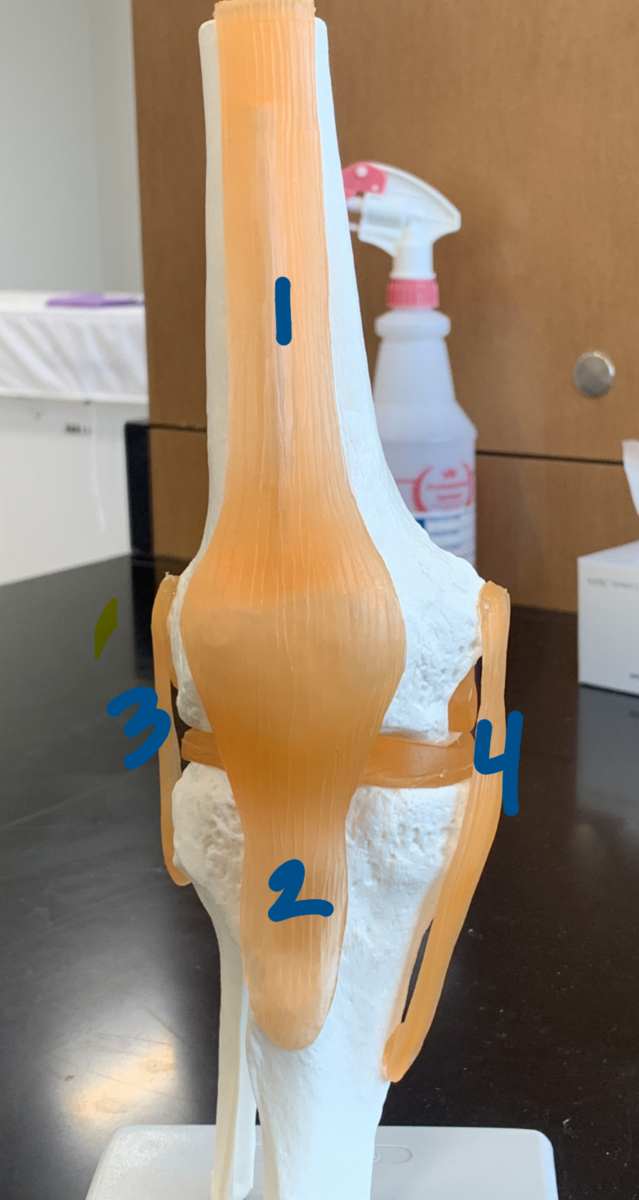
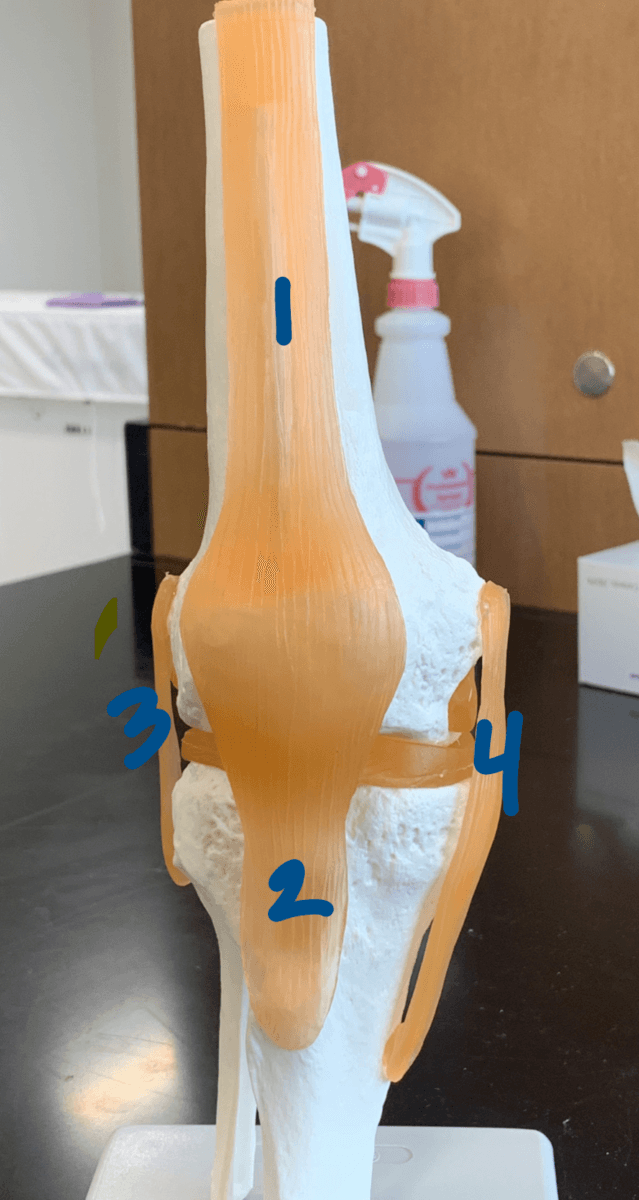
Name 1 through 4
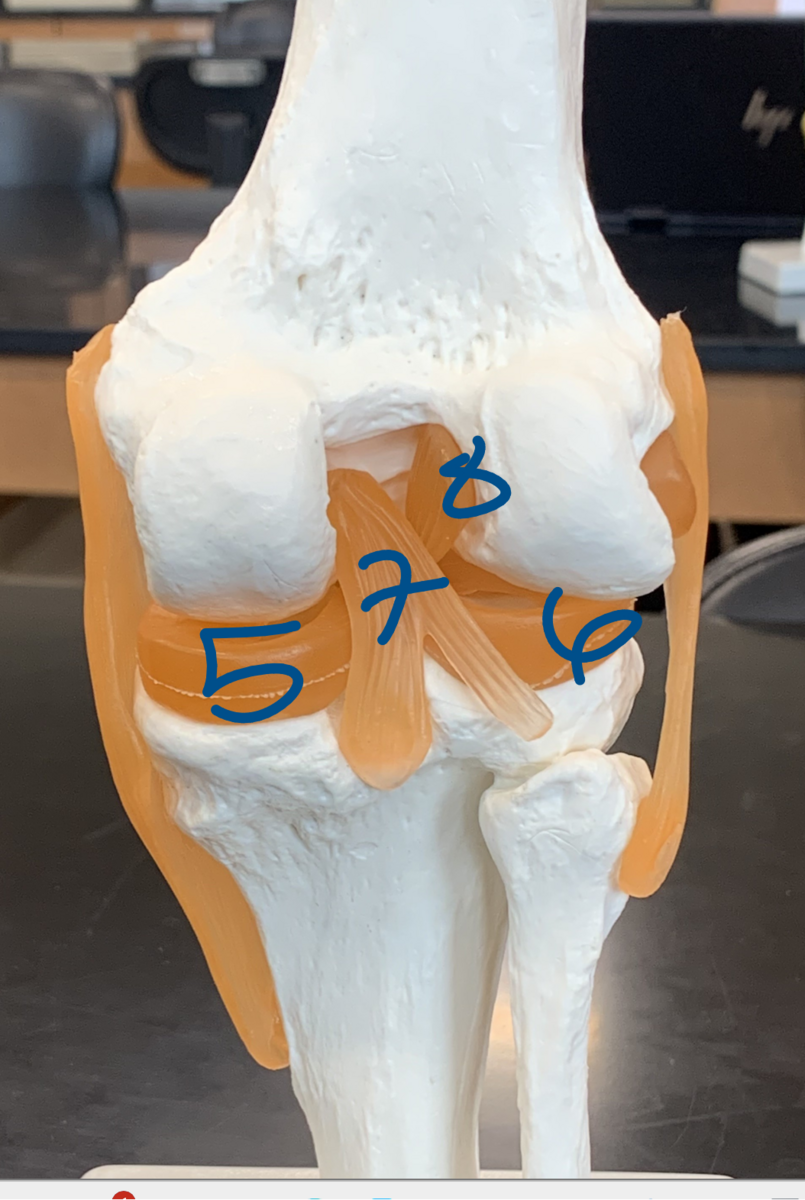
Name 5-8
Name 1 through 4
Name 5-8

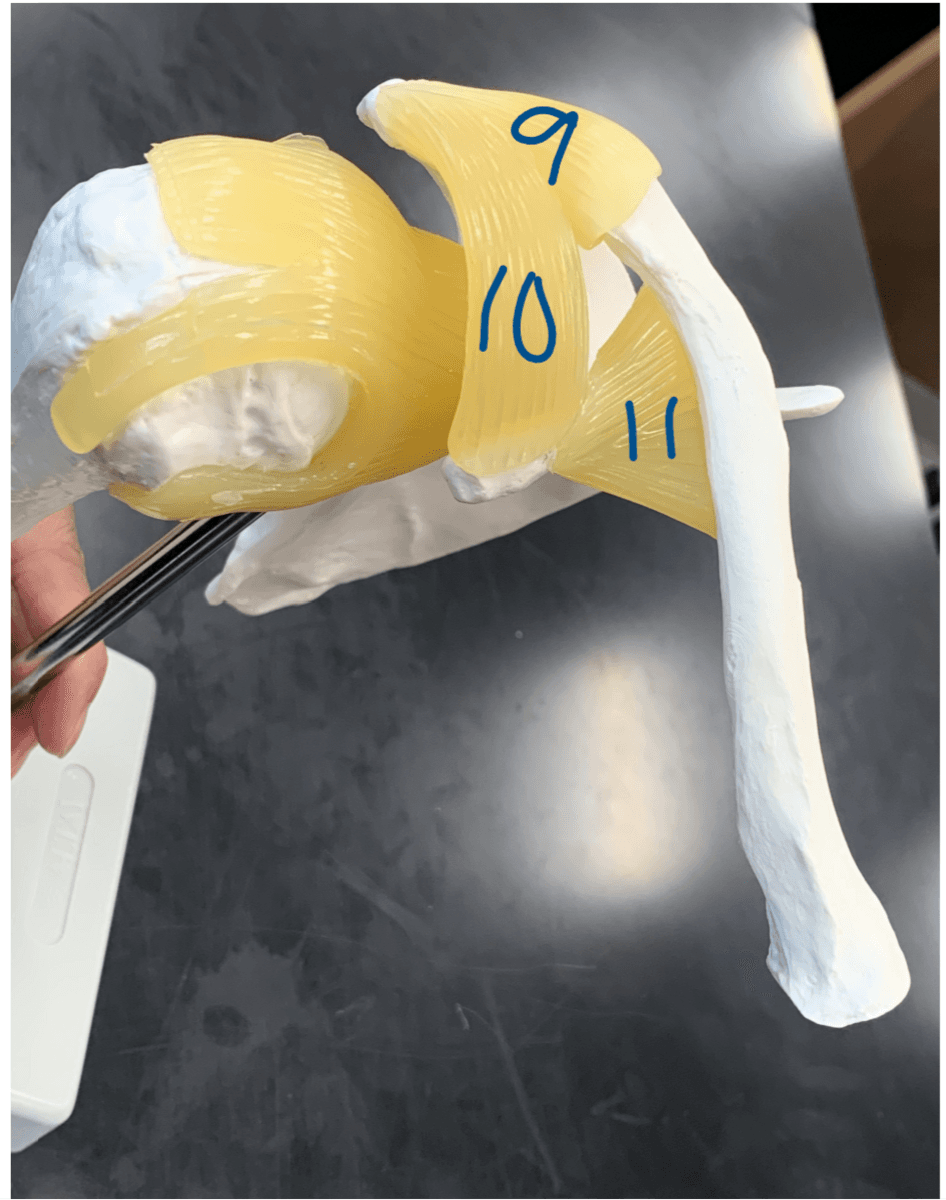
Name 9-11
Name 12-13
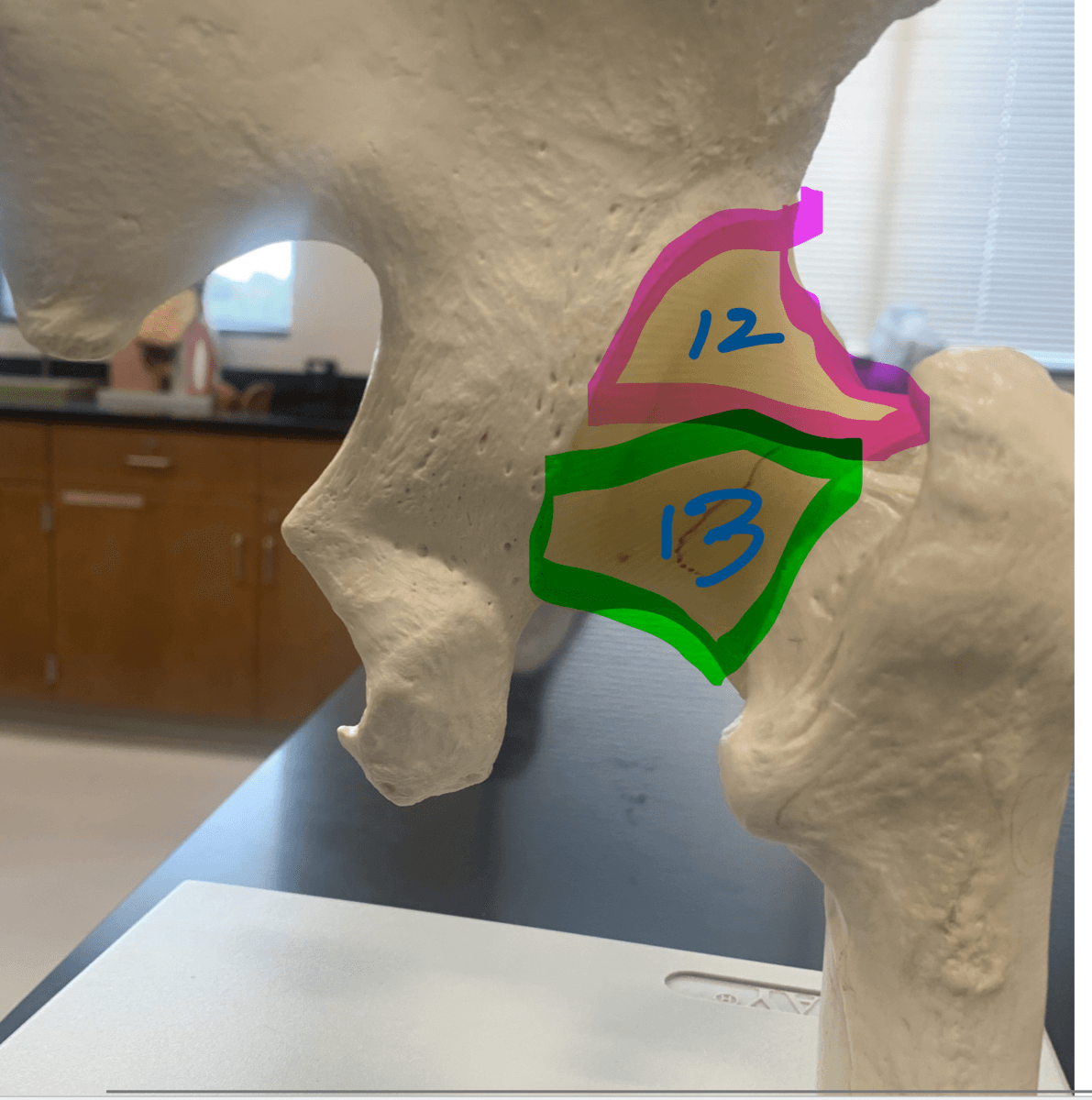
Name 14

Give this quiz to my class
Lab session for PTH 745?LAB_TEST FOR NUCLEIC ACIDS (FINALS)Haircutting for Lab1. Flammable materials, like alcohol, should never be dispensed or used near A. an open door. B. an open flame. C. another student. D. a sink. 2. If a laboratory fire erupts, immediately A. notify your instructor. B. run for the fire extinguisher. C. throw water on the fire. D. open the windows. 3. Approved eye protection devices (such as goggles) are worn in the laboratory A. to avoid eye strain. B. to improve your vision. C. only if you don’t have corrective glasses. D. any time chemicals, heat or glassware are used. 4. If you wear contact lenses in the school laboratory, A. take them out before starting the lab. B. you do not have to wear protective goggles. C. advise your science instructor that you wear contact lenses. D. keep the information to yourself. 5. If you do not understand a direction or part of a lab procedure, you should A. figure it out as you do the lab. B. try several methods until something works. C. ask the instructor before proceeding. D. skip it and go on to the next part. 6. After completing an experiment, all chemical wastes should be A. left at your lab station for the next class. B. disposed of according to your instructor’s directions. C. dumped in the sink. D. taken home. 7. If a lab experiment is not completed, you should A. discuss the issue with your instructor. B. sneak in after school and work alone. C. come in during lunch and finish while eating lunch. D. make up some results. 8. You are heating a substance in a test tube. Always point the open end of the tube A. toward yourself. B. toward your lab partner. C. toward another classmate. D. away from all people. Science Laboratory Safety teSt 9. You are heating a piece of glass and now want to pick it up. You should A. use a rag or paper towels. B. pick up the end that looks cooler. C. use tongs. D. pour cold water on it. 10. You have been injured in the laboratory (cut, burn, etc.). First you should A. visit the school nurse after class. B. see a doctor after school. C. tell the science instructor at once. D. apply first aid yourself. 11. When gathering glassware and equipment for an experiment, you should A. read all directions carefully to know what equipment is necessary. B. examine all glassware to check for chips or cracks. C. clean any glassware that appears dirty. D. All of the above. 12. You want to place a piece of glass tubing into a rubber stopper after the tubing has been fire polished and cooled. This is best done by A. lubricating the tubing with water or glycerin. B. using a towel or cotton gloves for protection. C. twisting the tubing and stopper carefully. D. all of the above. 13. Personal eyeglasses provide as much protection as A. a face shield. B. safety glasses. C. splashproof chemical goggles. D. none of the above. 14. Long hair in the laboratory must be A. cut short. B. held away from the experiment with one hand. C. always neatly groomed. D. tied back or kept entirely out of the way with a hair band, hairpins, or other confining device. 15. In a laboratory, the following should not be worn. A. loose clothing. B. dangling jewelry. C. sandals. D. all of the above. 16. The following footwear is best in the laboratory. A. sandals B. open-toed shoes C. closed-toed shoes D. shoes appropriate for the weather3 © 2017 Flinn Scientific, Inc. All Rights Reserved. 17. Horseplay or practical jokes in the laboratory are A. always against the rules. B. okay. C. not dangerous. D. okay if you are working alone. 18. If a piece of equipment is not working properly, stop, turn it off, and tell A. the custodian. B. your lab partner. C. your best friend in the class. D. the science instructor. 19. If an acid is splashed on your skin, wash at once with A. soap. B. oil. C. weak base. D. plenty of water. 20. When you finish working with chemicals, biological specimens, and other lab substances, always A. treat your hands with skin lotion. B. wash your hands thoroughly with soap and water. C. wipe your hands on a towel. D. wipe your hands on your clothes. True—False T F 22. ■ ■ Hot glass looks the same as cold glass. 23. ■ ■ All chemicals in the lab are to be considered dangerous. 24. ■ ■ Return all unused chemicals to their original containers. 25. ■ ■ Work areas should be kept clean and tidy. 26. ■ ■ Pipets are used to measure and dispense small amounts of liquids. You should draw the liquid into the pipet using your mouth. 27. ■ ■ Laboratory work can be started immediately upon entering the laboratory even if the instructor is not yet present. 28. ■ ■ Never remove chemicals or other equipment from the laboratory. T F 29. ■ ■ Chipped or cracked glassware is okay to use. 30. ■ ■ Read all procedures thoroughly before entering the laboratory. 31. ■ ■ All unauthorized experiments are prohibited. 32. ■ ■ You are allowed to enter the chemical preparation/storage area any time you need to get an item. 33. ■ ■ Laboratory aprons should be worn during all lab activities. 34. ■ ■ It’s okay to pick up broken glass with your bare hands as long as the glass is placed in the trash. 35. ■ ■ Never leave a lit burner unattended. 21. Draw a diagram of your science room and label the locations of the following: ■ Fire Blanket ■ Fire Extinguisher(s) ■ Exits ■ Eyewash Station ■ Emergency Shower ■ Closest Fire Alarm Station ■ Waste Disposal Container(s)4 © 2017 Flinn Scientific, Inc. All Rights Reserved. Name: ________________________________________________ Date: ______________________________________________ 1. Flammable materials, like alcohol, should never be dispensed or used near A. an open door. B. an open flame. C. another student. D. a sink. 2. If a laboratory fire erupts, immediately A. notify your instructor. B. run for the fire extinguisher. C. throw water on the fire. D. open the windows. 3. Approved eye protection devices (such as goggles) are worn in the laboratory A. to avoid eye strain. B. to improve your vision. C. only if you don’t have corrective glasses. D. any time chemicals, heat or glassware are used. 4. If you wear contact lenses in the school laboratory, A. take them out before starting the lab. B. you do not have to wear protective goggles. C. advise your science instructor that you wear contact lenses. D. keep the information to yourself. 5. If you do not understand a direction or part of a lab procedure, you should A. figure it out as you do the lab. B. try several methods until something works. C. ask the instructor before proceeding. D. skip it and go on to the next part. 6. After completing an experiment, all chemical wastes should be A. left at your lab station for the next class. B. disposed of according to your instructor’s directions. C. dumped in the sink. D. taken home. 7. If a lab experiment is not completed, you should A. discuss the issue with your instructor. B. sneak in after school and work alone. C. come in during lunch and finish while eating lunch. D. make up some results. 8. You are heating a substance in a test tube. Always point the open end of the tube A. toward yourself. B. toward your lab partner. C. toward another classmate. D. away from all people. Science Laboratory Safety teSt 9. You are heating a piece of glass and now want to pick it up. You should A. use a rag or paper towels. B. pick up the end that looks cooler. C. use tongs. D. pour cold water on it. 10. You have been injured in the laboratory (cut, burn, etc.). First you should A. visit the school nurse after class. B. see a doctor after school. C. tell the science instructor at once. D. apply first aid yourself. 11. When gathering glassware and equipment for an experiment, you should A. read all directions carefully to know what equipment is necessary. B. examine all glassware to check for chips or cracks. C. clean any glassware that appears dirty. D. All of the above. 12. You want to place a piece of glass tubing into a rubber stopper after the tubing has been fire polished and cooled. This is best done by A. lubricating the tubing with water or glycerin. B. using a towel or cotton gloves for protection. C. twisting the tubing and stopper carefully. D. all of the above. 13. Personal eyeglasses provide as much protection as A. a face shield. B. safety glasses. C. splashproof chemical goggles. D. none of the above. 14. Long hair in the laboratory must be A. cut short. B. held away from the experiment with one hand. C. always neatly groomed. D. tied back or kept entirely out of the way with a hair band, hairpins, or other confining device. 15. In a laboratory, the following should not be worn. A. loose clothing. B. dangling jewelry. C. sandals. D. all of the above. 16. The following footwear is best in the laboratory. A. sandals B. open-toed shoes C. closed-toed shoes D. shoes appropriate for the weather5 © 2017 Flinn Scientific, Inc. All Rights Reserved. 17. Horseplay or practical jokes in the laboratory are A. always against the rules. B. okay. C. not dangerous. D. okay if you are working alone. 18. If a piece of equipment is not working properly, stop, turn it off, and tell A. the custodian. B. your lab partner. C. your best friend in the class. D. the science instructor. 19. If an acid is splashed on your skin, wash at once with A. soap. B. oil. C. weak base. D. plenty of water. 20. When you finish working with chemicals, biological specimens, and other lab substances, always A. treat your hands with skin lotion. B. wash your hands thoroughly with soap and water. C. wipe your hands on a towel. D. wipe your hands on your clothes. 21. Draw a diagram of your science room and label the locations of the following: ■ Fire Blanket ■ Fire Extinguisher(s) ■ Exits ■ Eyewash Station ■ Emergency Shower ■ Closest Fire Alarm Station ■ Waste Disposal Container(s) True—False T F 22. ■ ■ Hot glass looks the same as cold glass. 23. ■ ■ All chemicals in the lab are to be considered dangerous. 24. ■ ■ Return all unused chemicals to their original containers. 25. ■ ■ Work areas should be kept clean and tidy. 26. ■ ■ Pipets are used to measure and dispense small amounts of liquids. You should draw the liquid into the pipet using your mouth. 27. ■ ■ Laboratory work can be started immediately upon entering the laboratory even if the instructor is not yet present. 28. ■ ■ Never remove chemicals or other equipment from the laboratory. T F 29. ■ ■ Chipped or cracked glassware is okay to use. 30. ■ ■ Read all procedures thoroughly before entering the laboratory. 31. ■ ■ All unauthorized experiments are prohibited. 32. ■ ■ You are allowed to enter the chemical preparation/storage area any time you need to get an item. 33. ■ ■ Laboratory aprons should be worn during all lab activities. 34. ■ ■ It’s okay to pick up broken glass with your bare hands as long as the glass is placed in the trash. 35. ■ ■ Never leave a lit burner unattended.11G, U1 - L1.2 Part 1 - Prep for Pancake Lab - BellringerProcessing for Latent Prints in the LabMake a quiz about the following mini-lab: Mini-Lab: Measuring Reaction Time and Hang Time Objective: In this mini-lab, you will work in groups to measure distances and use calculations to determine your reaction time and hang time. These experiments will help you understand fundamental concepts in physics and reaction time. Materials: Ruler (with metric units) Sticky notes or masking tape A vertical surface (like a wall) Clear space for jumping Calculator (if necessary) Part 1: Measuring Reaction Time Introduction: Reaction time is the time it takes for a person to respond to a stimulus. In this experiment, you will measure distances and use them to calculate your reaction time. Procedure: Preparation: Attach a sticky note or masking tape to the bottom edge of the ruler. Stand facing your partner. Hold the ruler vertically with the zero end at the bottom, lined up with your index finger and thumb. Measurement: Your partner will release the ruler without warning. When you see the ruler fall, try to catch it as quickly as you can. After catching the ruler, measure and record the distance the ruler fell. Data Collection: Each group should repeat the ruler drop experiment three times. Calculate the average distance and record it. Part 2: Calculating Hang Time Introduction: Hang time is the total time a person spends in the air while jumping. In this part of the mini-lab, you will measure distances using tape to mark your jump height and use them to calculate your hang time. Procedure: Preparation: Stand in front of a wall. Reach up as high as you can with your feet flat on the floor. Use a piece of tape to mark this point on the wall. Your partner should stand ready to observe and assist. Measurement: With a loop of tape on your finger, jump as high as you can. Stick the tape on the wall where your fingertips reach when jumping. The difference between the two pieces of tape marks your jumping height. Data Collection: Each group should repeat the jump and measurement three times. Calculations (Make sure to check your units before doing any calculations): Calculating Reaction Time: Use the average distance from Part 1. Calculate the time it took for the ruler to fall using the formula: y = viy t + ½ g t², where viy in this case is zero and "g" is the acceleration due to gravity (approximately 9.81 m/s²). This time is your reaction time. Calculating Hang Time: Use the average jump height difference from Part 2. Calculate the time you spent in the air using the formula: y = viy t + ½ g t². Remember that the velocity at the peak is zero and the total time in the air is twice the time it takes to get to the peak. Conclusion: Discuss your results with your partner and other groups. Compare your reaction times and hang times. Think about factors that may have influenced your results and how you can improve your reaction time and jump height. Consider the real-world applications of understanding reaction time and hang time in physics and sports. Assessment: Work with your partner to write a short report summarizing your findings, including calculations of your reaction time and hang time. Reflect on the factors that may have affected your results and propose improvements to your techniques. Be prepared to discuss your findings in class.Kindly create a 30 items multiple choice test from this laboratory activity entitled laboratory do's and donts: LABORATORY SAFETY Dos: Wear Appropriate Attire: Wear lab coats, safety goggles, gloves, and any other required personal protective equipment (PPE) at all times in the lab. Follow Protocols: Adhere strictly to established protocols and procedures for all experiments and tasks. Label Everything: Clearly label all containers, tubes, vials, and equipment with relevant information, including date, contents, and your initials. Calibrate Instruments: Regularly calibrate and maintain all lab equipment according to manufacturer guidelines to ensure accurate measurements. Keep Workspace Organized: Maintain a clean and organized workspace to prevent contamination and ensure efficient work. Dispose of Waste Properly: Follow the correct disposal procedures for hazardous waste, sharps, and non-hazardous materials in accordance with local regulations. Use Pipette Aids: Always use pipette aids or bulb fillers to avoid mouth pipetting and potential exposure to hazardous substances. Record Observations: Keep detailed and accurate records of your experiments, observations, procedures, and results. Label Samples Clearly: Label all samples with accurate and descriptive information to avoid mix-ups and confusion. Communicate: Maintain clear communication with colleagues and supervisors about your work, findings, and any potential issues. Follow Safety Guidelines: Adhere to all safety guidelines, emergency procedures, and evacuation plans in case of accidents or incidents. Report Accidents and Incidents: Report any accidents, spills, or incidents to your supervisor immediately, no matter how minor they may seem. Don'ts: Don't Eat, Drink, or Smoke: Never consume food, drinks, or smoke inside the laboratory to prevent contamination and chemical exposure. Don't Pipette by Mouth: Avoid mouth pipetting to prevent the risk of inhaling or ingesting hazardous substances. Don't Use Chipped Glassware: Do not use chipped, cracked, or compromised glassware, as they can lead to leaks and contamination. Don't Work Alone: Avoid working in the lab alone, especially with hazardous materials or equipment. Don't Ignore Safety Procedures: Never disregard safety procedures or skip steps, even if you're experienced with a particular task. Don't Contaminate Reagents: Avoid contaminating reagents by using clean tools, pipettes, and containers. Don't Rush: Take your time and follow protocols accurately. Rushing can lead to mistakes and unsafe conditions. Don't Block Emergency Equipment: Keep emergency equipment, such as eyewash stations, fire extinguishers, and safety showers, unobstructed and easily accessible. Don't Pour Chemicals into Sinks: Do not pour chemicals down sinks unless you are certain they are safe to do so, as this can lead to environmental contamination. Don't Use Unlabeled Chemicals: Never use unlabeled or improperly labeled chemicals. Always know what you're working with. Don't Wear Loose Clothing or Jewelry: Avoid wearing loose clothing, open-toed shoes, and excessive jewelry that could get caught in equipment or chemicals. Don't Assume, Ask: If you're unsure about something, never assume. Always ask for guidance from your supervisor or colleague