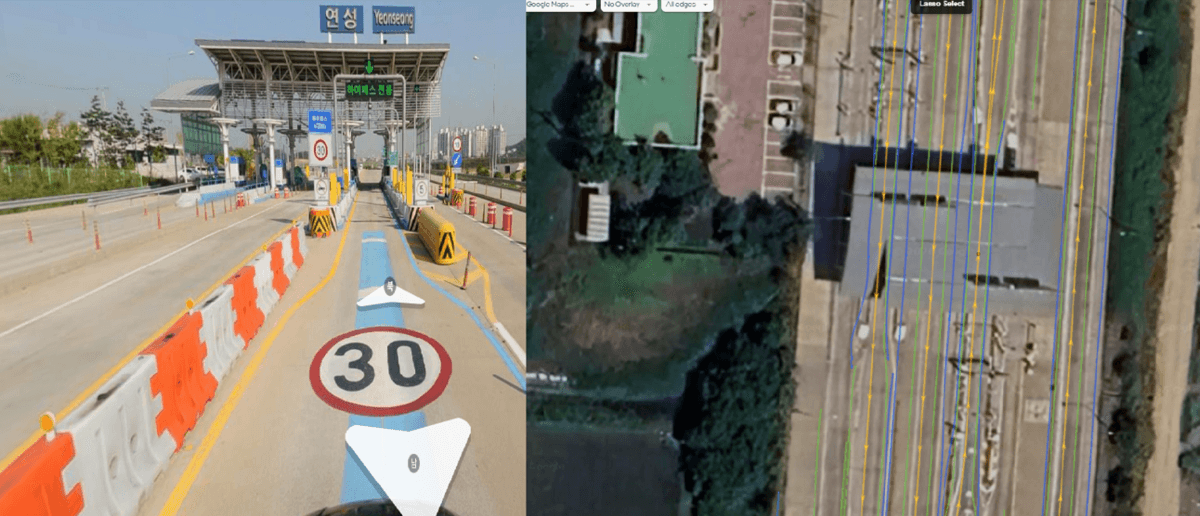
Loading...


Lane Type Quiz (May 2026)
Quiz by John Angelo Macagga
Tag the questions with any skills you have. Your dashboard will track each student's mastery of each skill.
Speed Bump: Based on the image, there is a speed bump and also an elevated part in the junction that looks similar to another speed bump. What is the correct marking for this case?
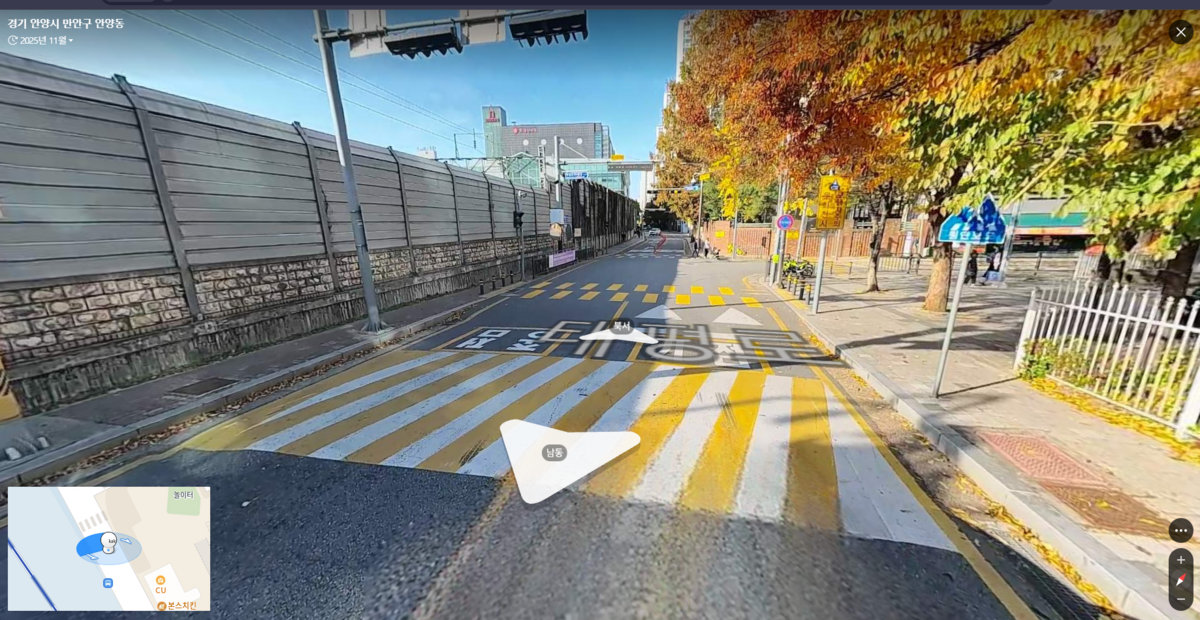


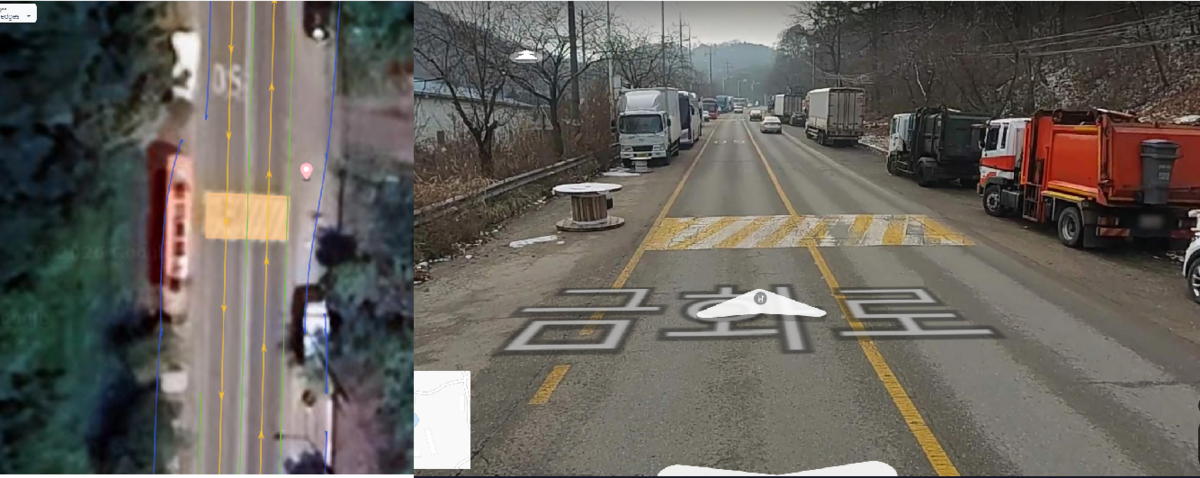
Create an uncertain polygon
This is not a speed bump and should be ignored
Yes, create a polygon to only cover the speed bump
No, the marking should be RE to RE
Speed Bump: Based on the image, there is a speed bump and also an elevated part in the junction that looks similar to another speed bump. What is the correct marking for this case?
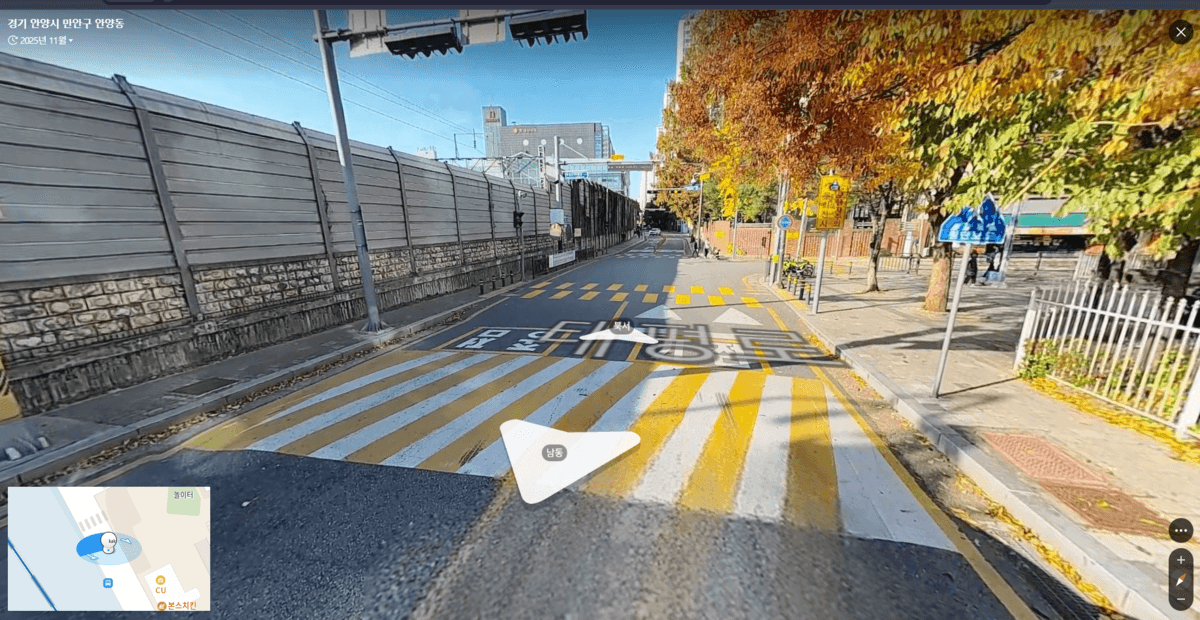

Speed Bump: We have a speed bump located on a crosswalk. Should we mark the entrance and exit of the speed bump for this case?
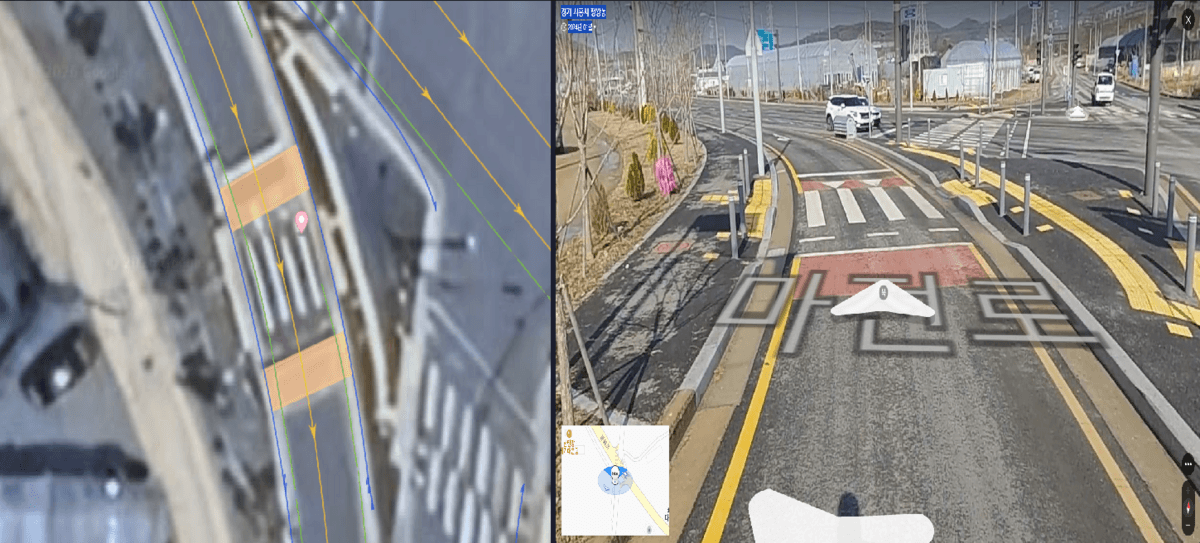
Speed Bump: Is the marking correct for this case?

Speed Bump: Is the marking correct for this case?

Shared bike: A sign shows that a bike trail is shared with pedestrians on a sidewalk. How should you handle this?

Shared bike: A bike trail is covered by trees and not clearly visible. What should you do?
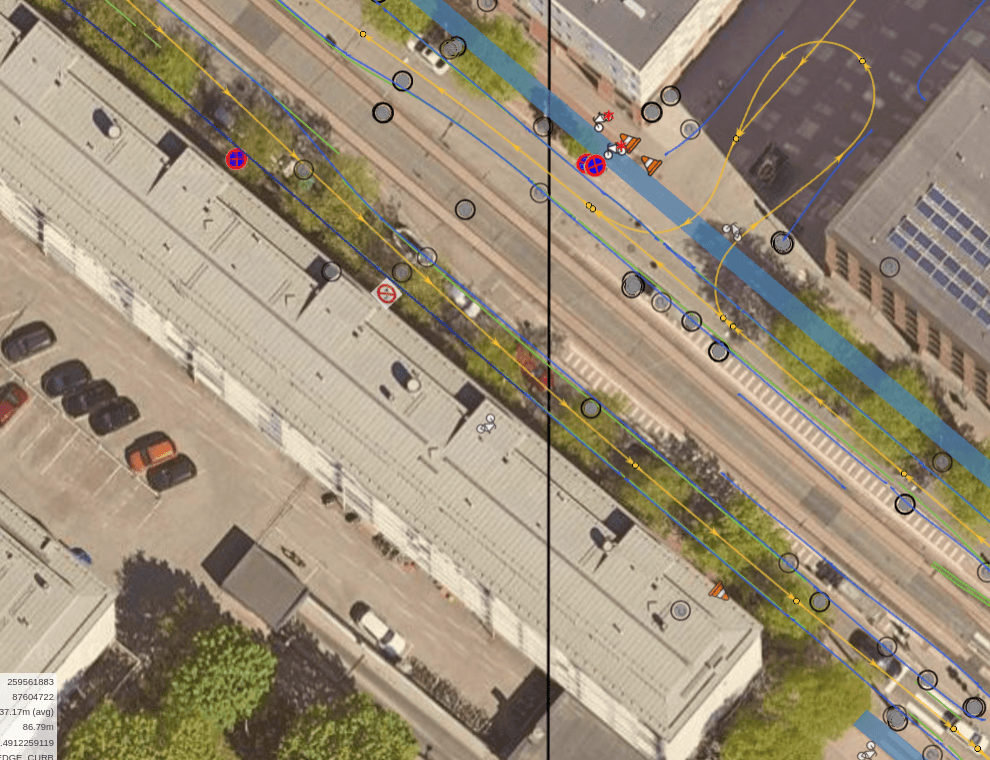
Shared Bike: What is the correct threshold for marking a Shared Bike trail located on the sidewalk based on the client's clarification?

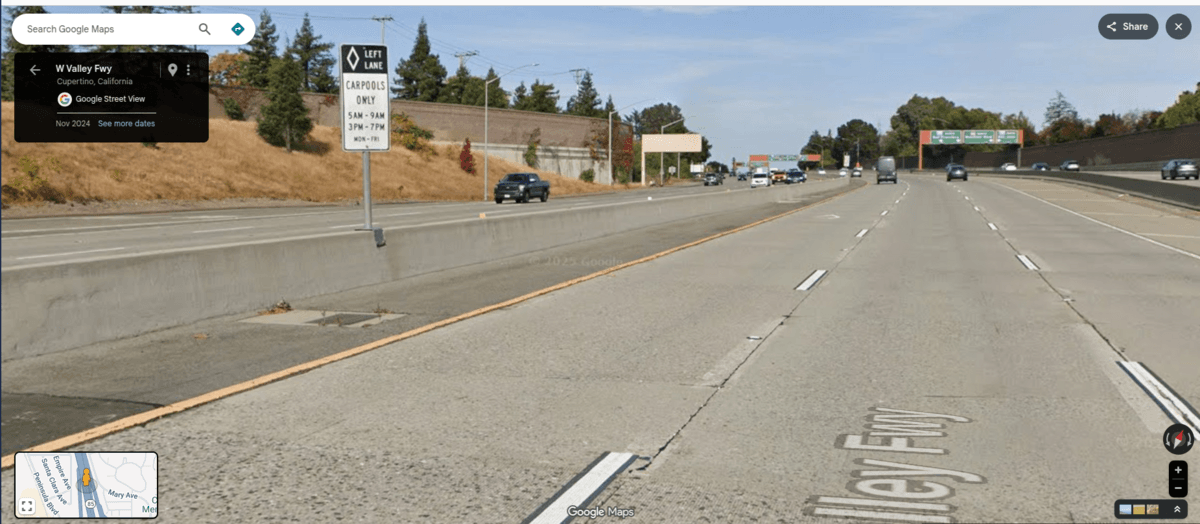
Public Transportation Lane: A sign says "HOV Carpool ONLY" without mentioning buses. Should be marked as PTL?
Shared Bike: A lane is designated for both buses and bicycles and is separated from car by a solid line. How should this lane be labeled?
Railroad Crossing: Is the marking correct for this case ?
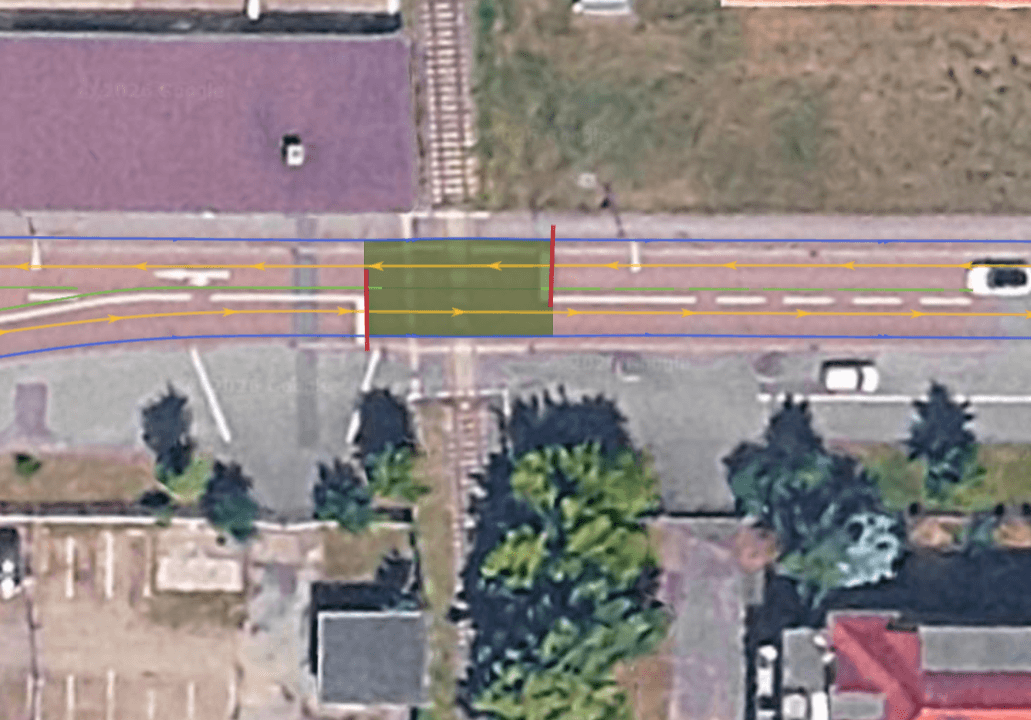
Railroad Crossing: What should be the maximum length of the polygon extending from the trail?
Railroad Crossing: Is the marking correct?

Railroad Crossing: A railroad is detected in the Map Marker, but it does not appear in Street View upon checking. What should be the correct approach in this case?
Shared Bike: Should we mark the bike trail crossing in this case using freestyle marking?
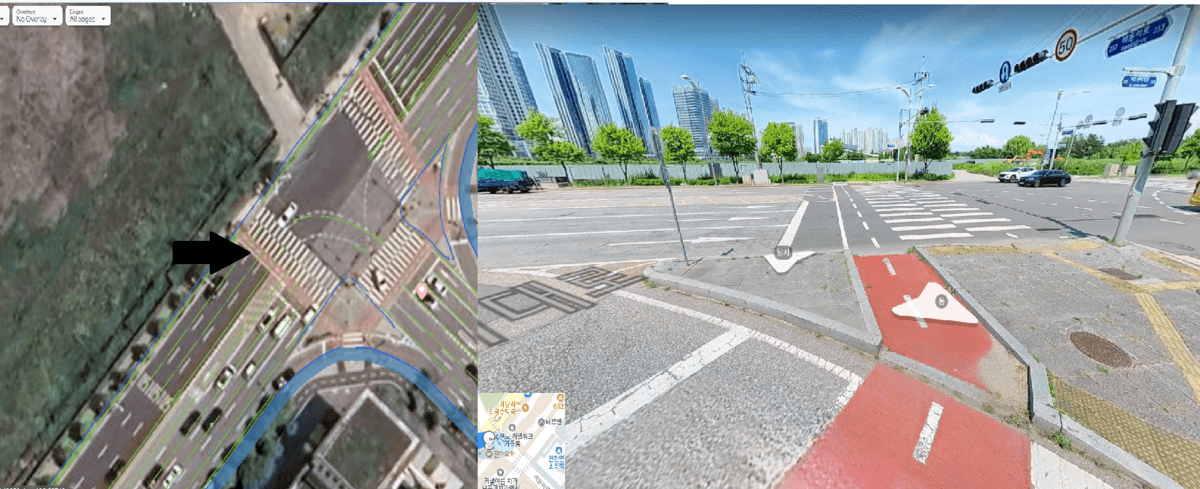
Railroad Crossing: A railroad is considered a special case because of its slanted appearance. Can we create a polygon longer than 20 meters for this type of scenario?

Public Transportation Lane: When encountering a “Bus and Carpools Ahead” sign in the PTL task, what is the correct approach

Public Transportation Lane: A bus stop is visible on the Google Maps background layer, but upon checking Street View, there is no actual bus stop present. What is the correct action in this case?
Public Transportation Lane: Based on the image provided, is the marking of the bus stop accurate?

Public Transportation Lane: We have a bus lane on both the left and right sides, and it crosses a junction with lane markings. Should we continue marking the bus lane through the junction or stop it?
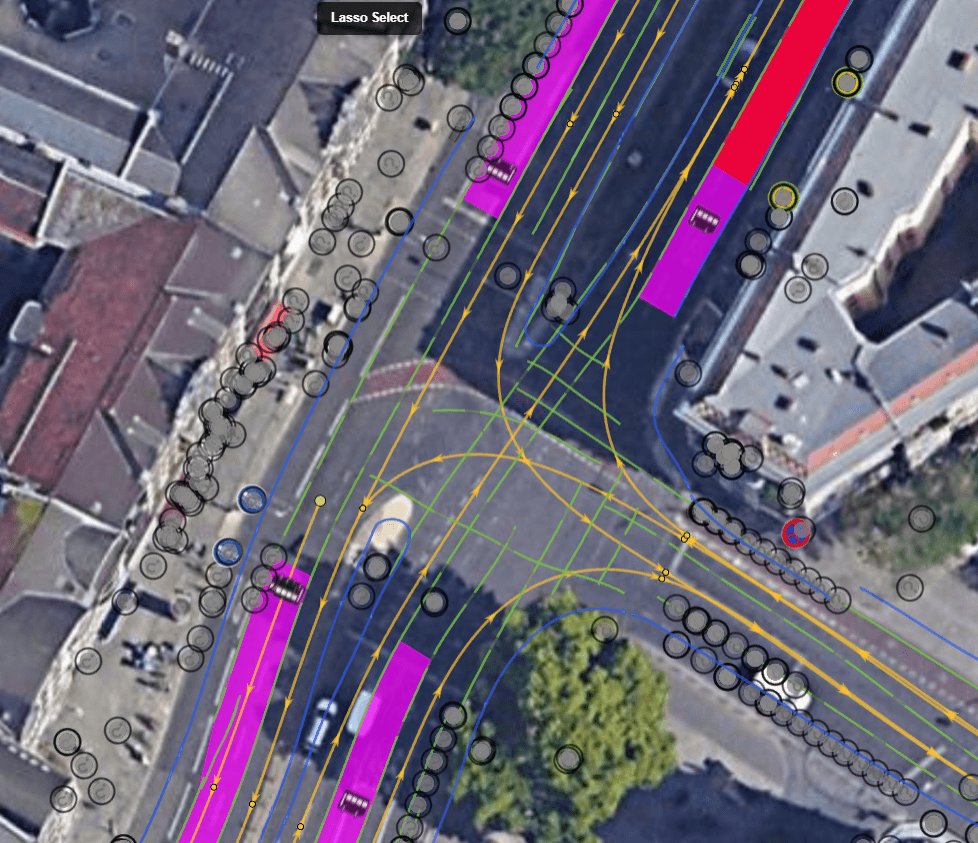
School Zone: Should parking areas be included in the school zone polygon?
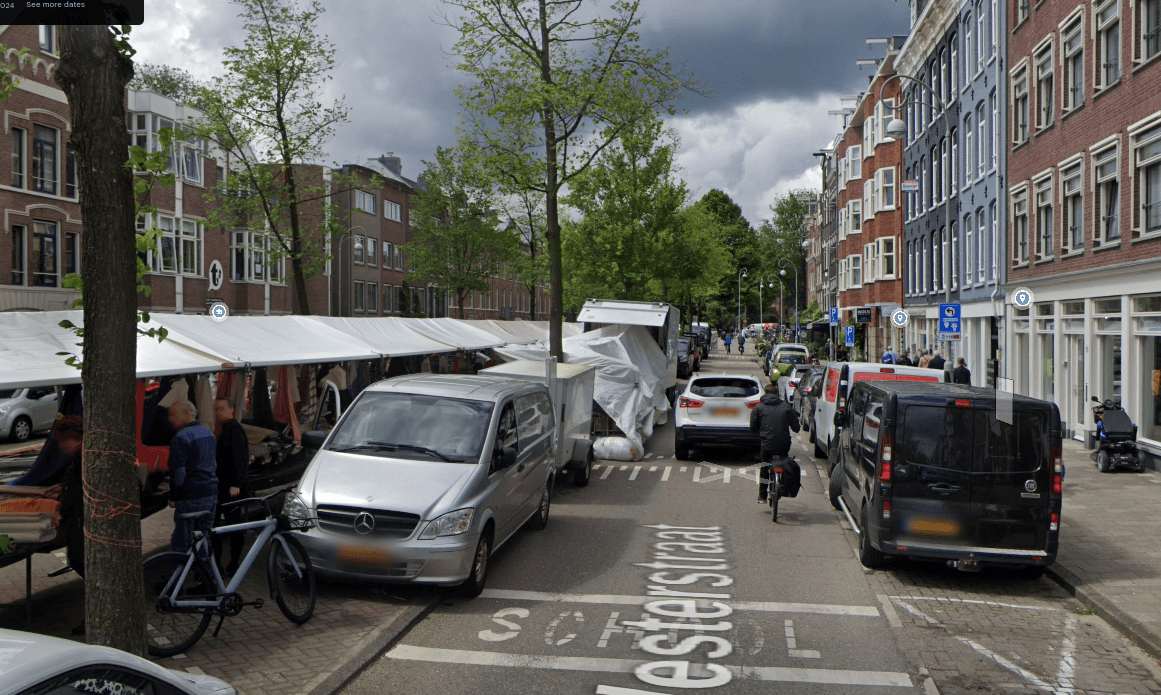
School Zone: There is a road marking near a school area warning drivers not to park or stay. Even without an e_children sign, Google Maps shows a nearby school. Should this be considered a School Zone?
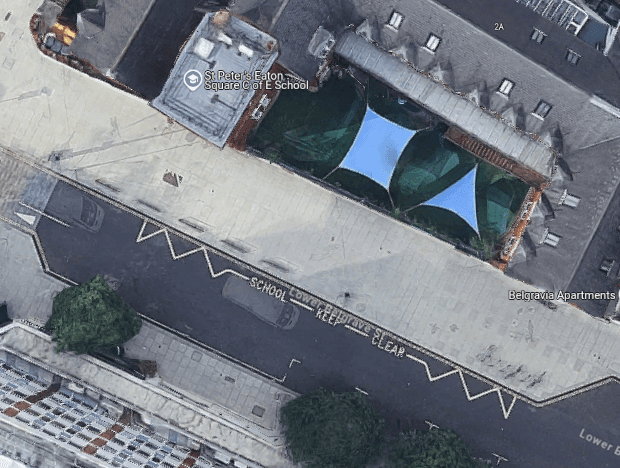
School Zone: Should we include the bike trail when marking the School Zone polygon since it is part of the road?
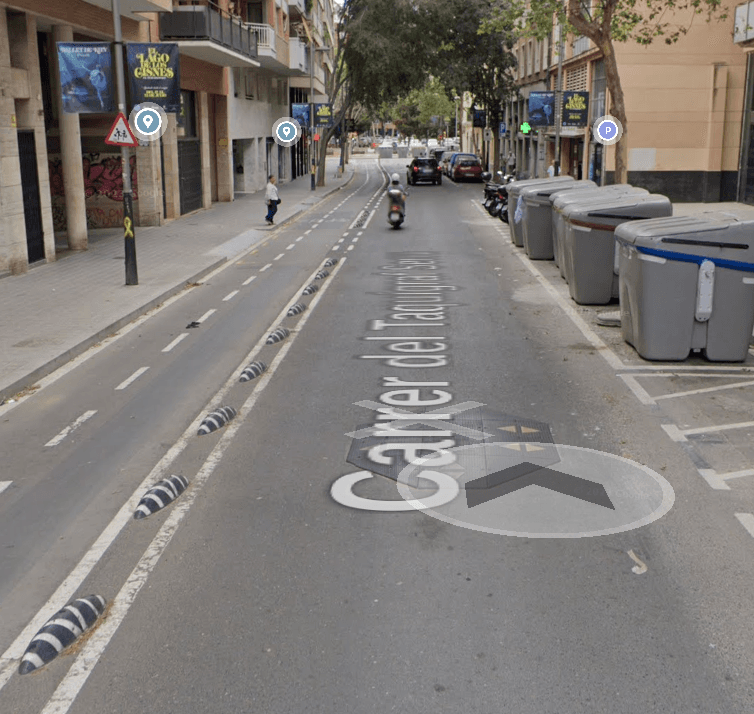
School Zone: The school zone sign is the black dot in the image. Where should i end the marking of the school zone

School Zone: Based on the image, the blue circle shows a School Zone, but there is an RE separator on the other side of the road. What is the correct marking for this case?

Ramp: Based on the image, the road marked with a red line is a ramp-to-ramp section. What is the correct marking for this area?

Ramp: Based on the image, the road comes from a ramp and merges into the main road. What is the correct polygon to use for this case?

Ramp: A new lane is created from the highway and splits into a one-lane ramp. What is the correct marking for this case?

Ramp: The road comes from a junction and merges into the highway (RART 0). Should this area be considered a ramp and be marked?
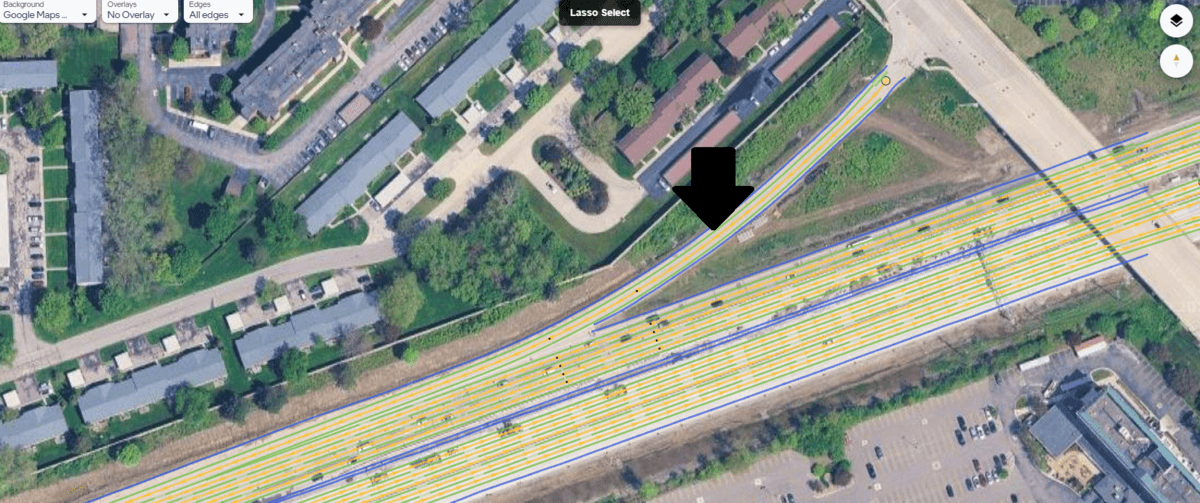
Ramp: A ramp goes from RART_0 to a junction with 2 or more lanes. Should it be marked as a RAMP?
Alternating Reversible: Based on the image, can the area be considered as Alternating Reversible?

Alternating Reversible: Based on the DPV direction, should this area be marked as Alternating Reversible?

Alternating Reversible: Based on the image, the red line shows the proposed start and end of the Alternating Reversible section. Since the road merges into one direction at a time due to the sign, is this the correct approach?
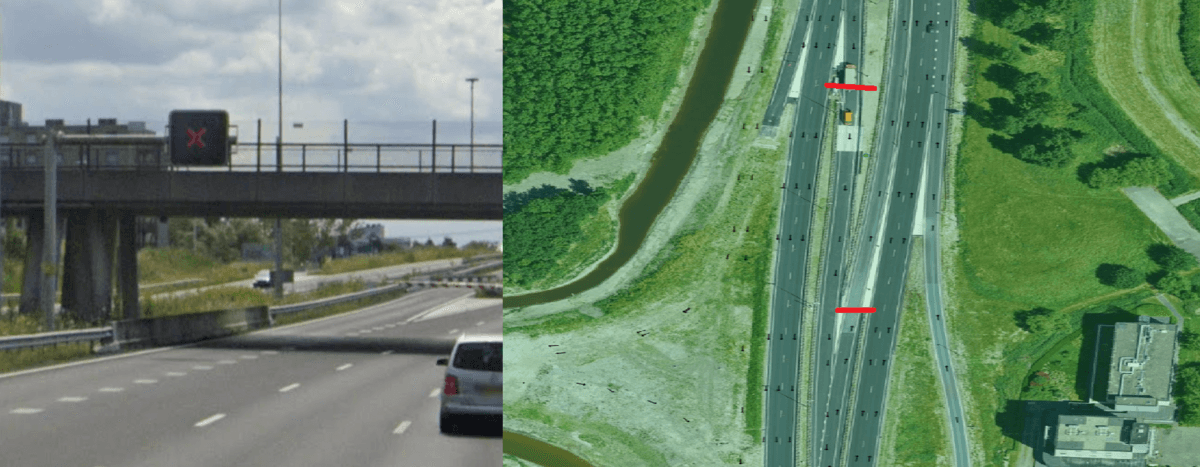
Alternating Reversible: What is the difference between a bidirectional lane and a reversible lane?
Alternating Reversible: Can a reversible lane appear on a non-highway (urban) road?
Tram: There is no DP inside the tram tracks, but there are objects around it. Should you still mark it as TRAM?

Tram: A tram goes through a roundabout. How should the lanes be marked?
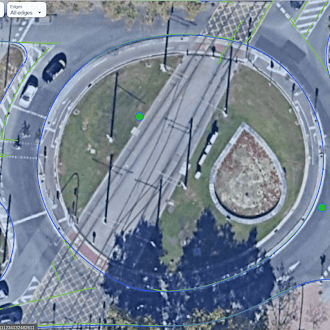
Tram: We found a tram track passing through a parking area with DP on it. How should we mark this case?

Tram: A lane is shared by tram, bus, and taxi. Should it be marked as SHARED_TRAM?
Tram: A tram lane crosses at a junction. Should it be marked as SHARED_TRAM?
HOV: Which HOV enums are available in the Lane Type Editor?

HOV: Based on the image, how should this HOV sign be marked?

Suicide Lane: Based on the image, should the middle area with the lane_mark_dash_solid subtype be considered a Suicide Lane?
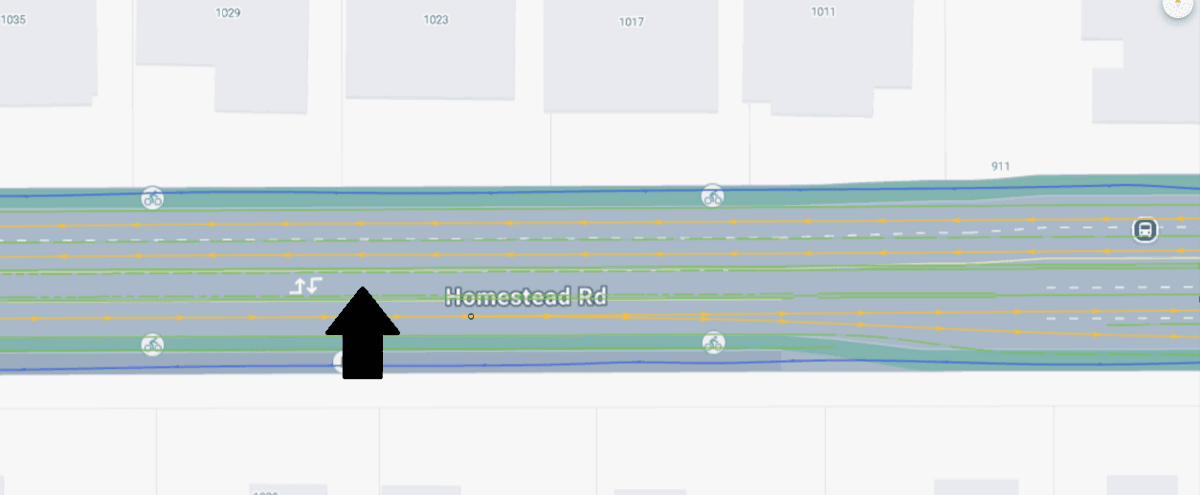
Suicide Lane: Based on the image, we should stop marking the suicide lane at the end of the dash_solid lane mark objects as the reference.
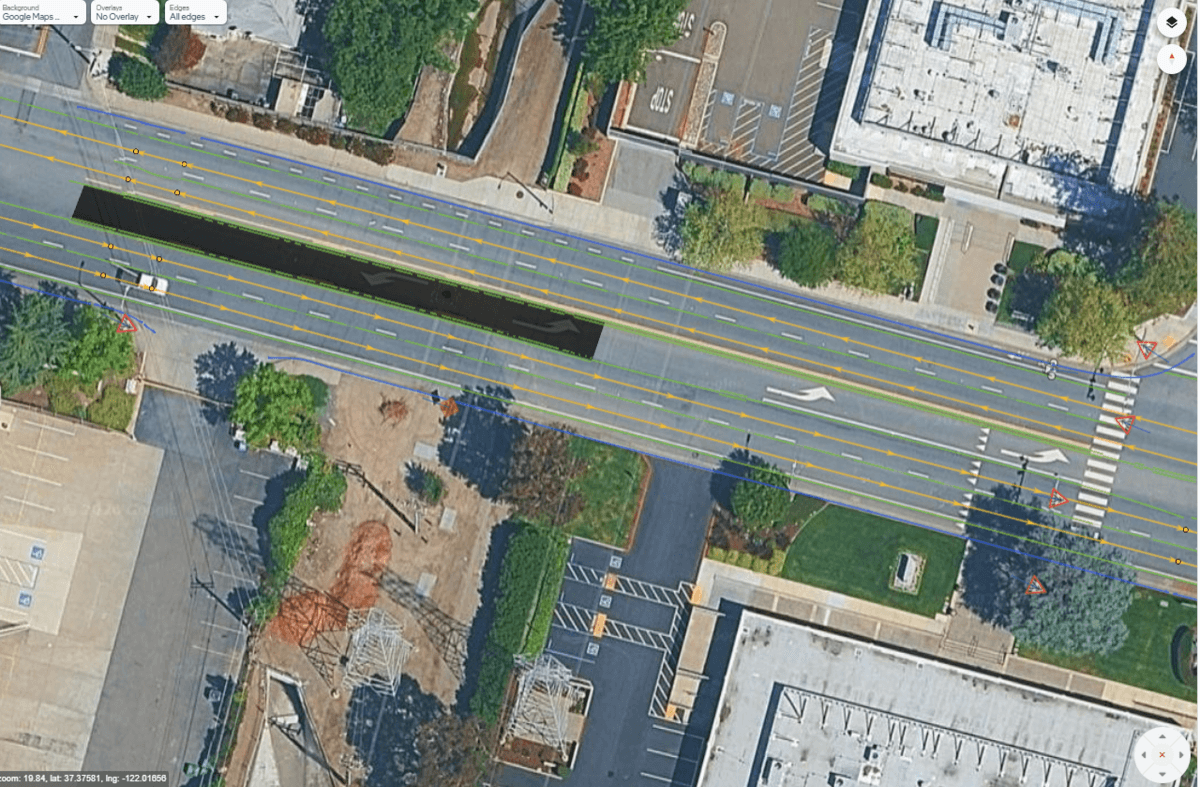
Suicide Lane: There is a junction in the middle of a suicide lane area. Should you continue tagging through the junction?
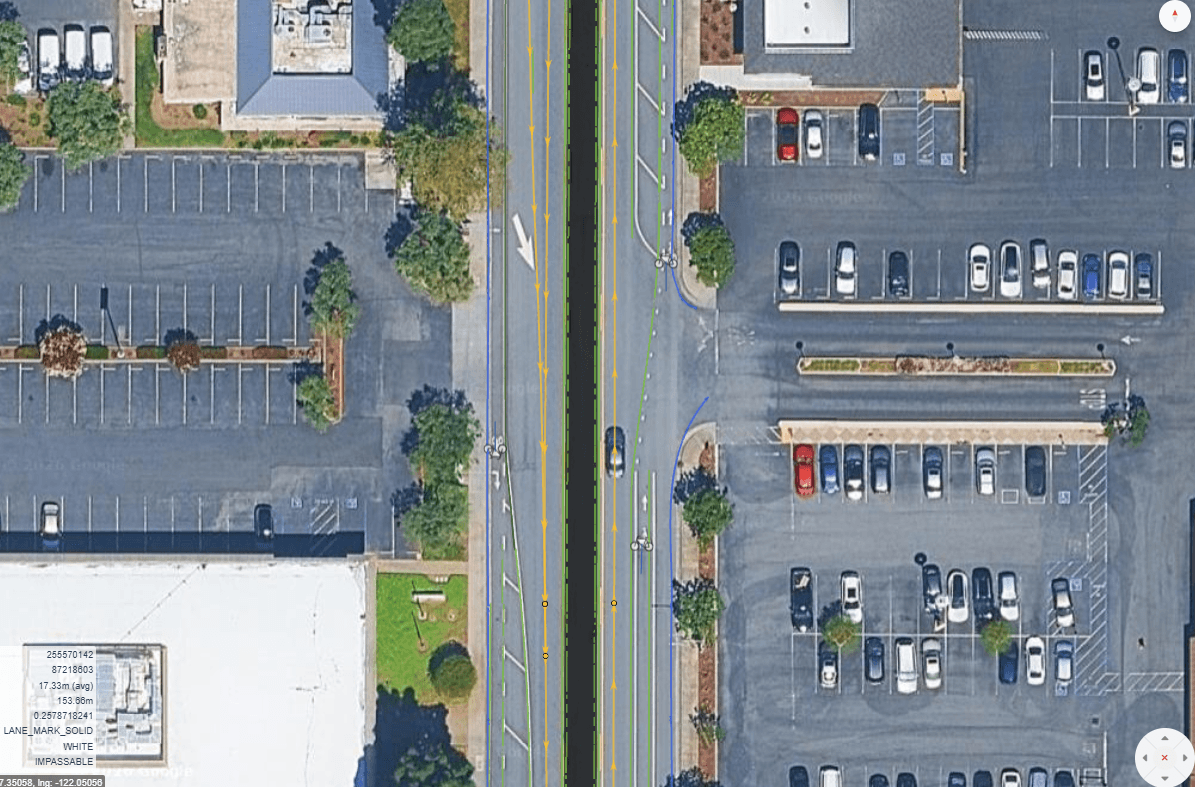
Suicide Lane: Which of the following is a key visual indicator (lane mark) of a Suicide Lane?
Suicide Lane: Which of the following should NOT be classified as a Suicide Lane?
Tunnel: Based on the image, is this considered a tunnel?

Tunnel: A road passes briefly under a bridge or overpass. Should it be marked as a tunnel?
Tunnel: Which of the following should be marked as a tunnel?
Tunnel: A road passes briefly under a house. Should it be marked as a tunnel?
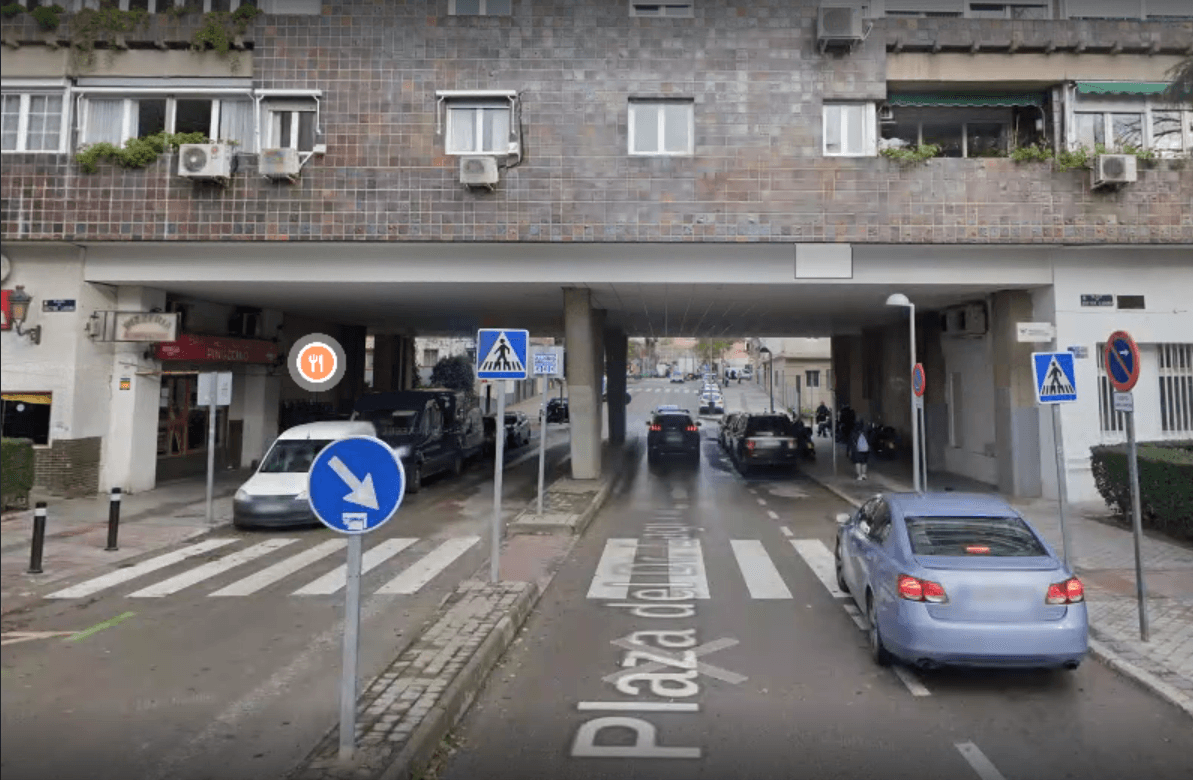
Toll: What defines the start point of a TOLL gate in lane type?

Toll: Based on the image, is this considered a TOLL case?
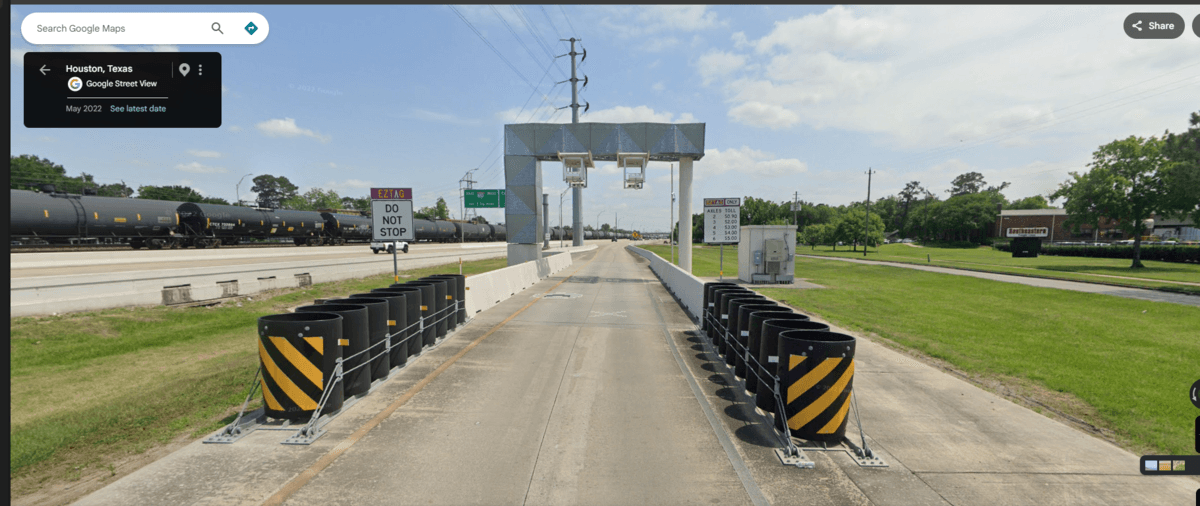
Toll: Where should the TOLL gate polygon end?
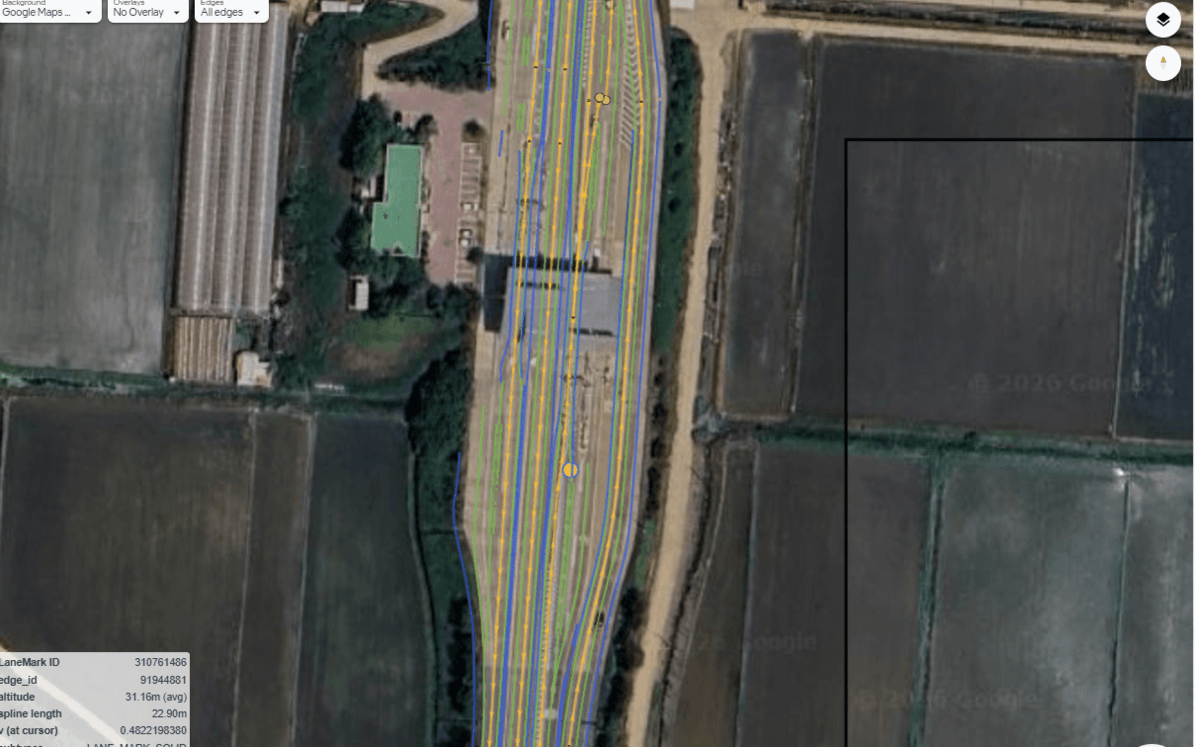
Toll: Should we also cover the toll area where the road does not pass through a toll booth?
Express Toll: In Korea, blue lane markings with Hi-Pass at tolls are considered express toll markings. Where should we start and end the marking?