Develop descriptions, explanations, predictions, and models using evidence.
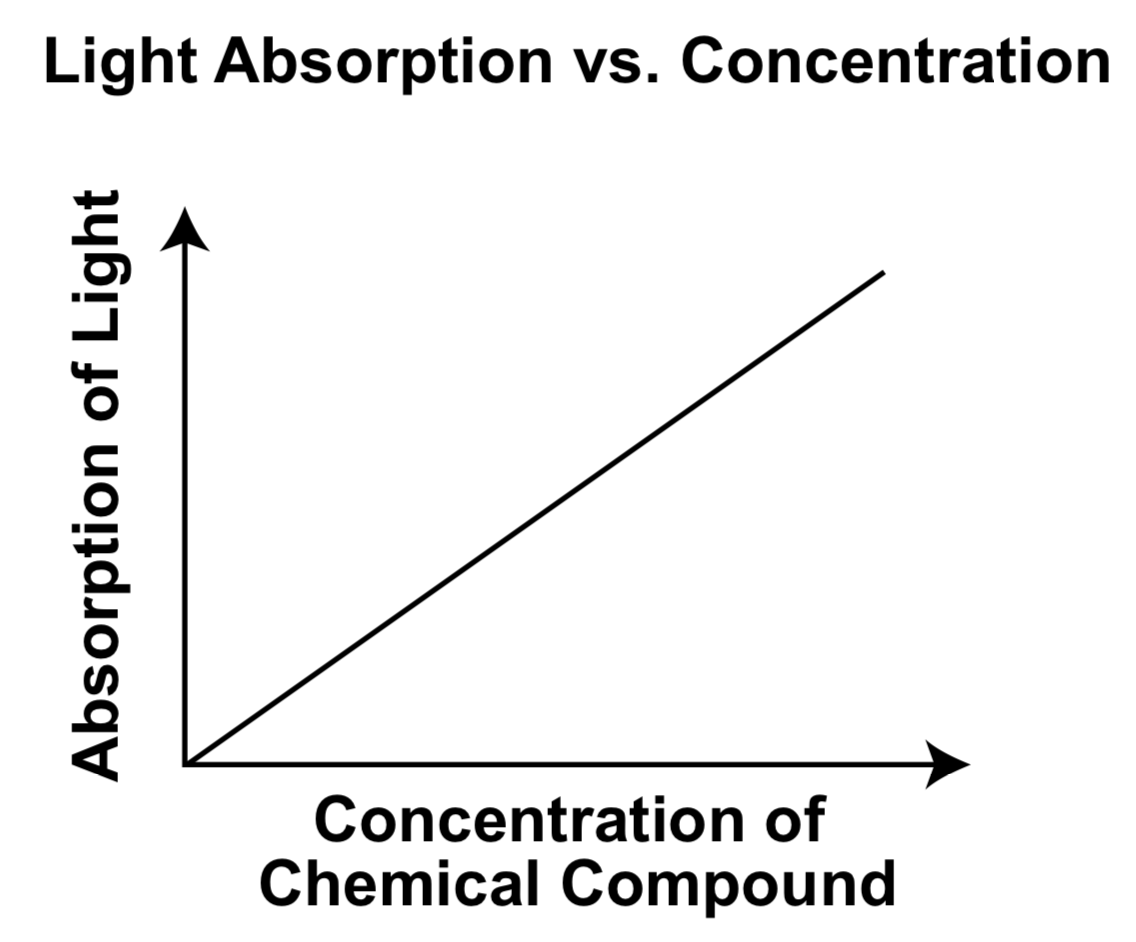
Use evidence, observations, or a variety of scales (e.g., mass, distance, volume, temperature) to describe relationships.
Use space/time relationships, define concepts operationally, raise testable questions, or formulate hypotheses.
Use evidence from investigations to clearly communicate and support conclusions.
Apply appropriate measurement systems (e.g., time, mass, distance, volume, temperature) to record and interpret observations under varying conditions.
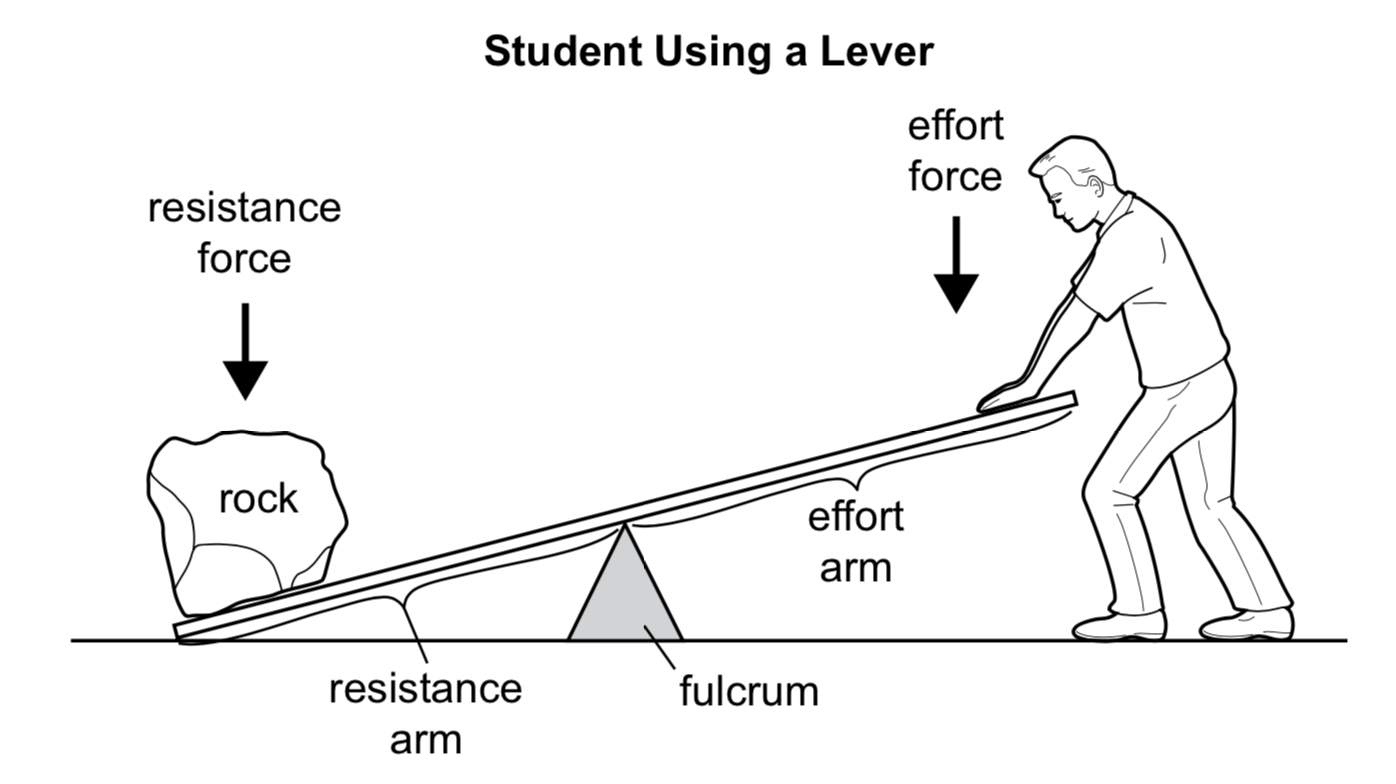
Describe how engineers use models to develop new and improved technologies to solve problems.
Use evidence, such as observations or experimental results, to support inferences about a relationship.
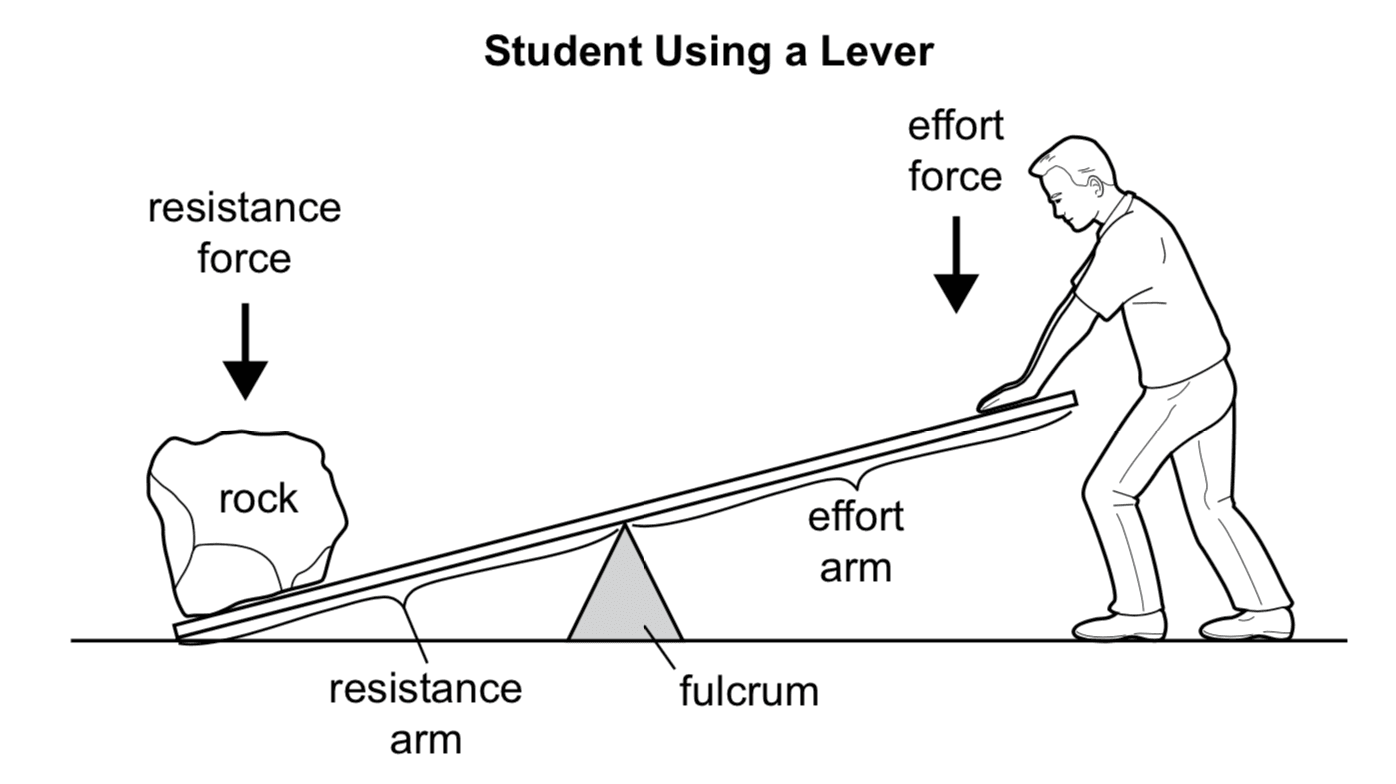
Use ratio to describe change (e.g., percents, parts per million, grams per cubic centimeter, mechanical advantage).
Identify environmental issues and explain their potential long-term health effects (e.g., pollution, pest controls, vaccinations).
Examine systems changing over time, identifying the possible variables causing this change, and drawing inferences about how these variables affect this change.
Given a scenario, explain how a dynamically changing environment provides for the sustainability of living systems.
Design a controlled experiment by specifying how the independent variables will be manipulated, how the dependent variable will be measured, and which variables will be held constant.
Interpret data/observations; develop relationships among variables based on data/observations to design models as solutions.
Identify a design flaw in a simple technological system and devise possible working solutions.
Explain the concept of order in a system [e.g., (first to last: manufacturing steps, trophic levels); (simple to complex: cell, tissue, organ, organ system)].
Track each student's skills and progress in your Mastery dashboards