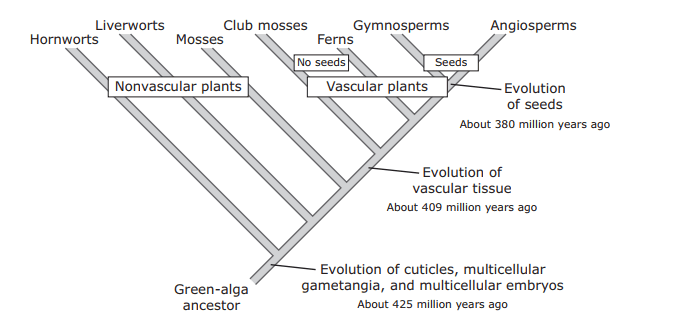
Analyze and evaluate how evidence of common ancestry among groups is provided by the fossil record, biogeography, and homologies, including anatomical, molecular, and developmental.
Describe the interactions that occur among systems that perform the functions of transport, reproduction, and response in plants.
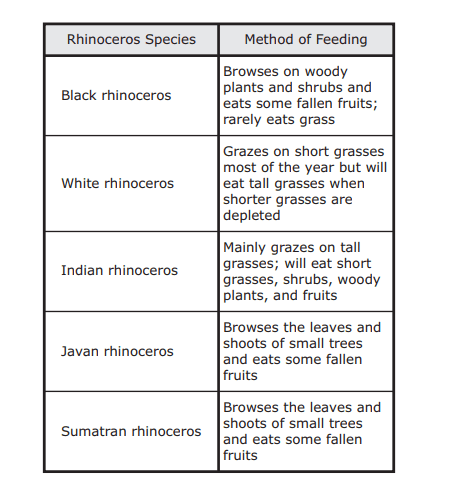
Compare variations and adaptations of organisms in different ecosystems.
Identify and illustrate changes in DNA and evaluate the significance of these changes.
Examine scientific explanations of abrupt appearance and stasis in the fossil record.
Describe the roles of DNA, ribonucleic acid (RNA), and environmental factors in cell differentiation.
Compare the functions of different types of biomolecules, including carbohydrates, lipids, proteins, and nucleic acids.
Analyze other evolutionary mechanisms, including genetic drift, gene flow, mutation, and recombination.
Describe how environmental change can impact ecosystem stability.
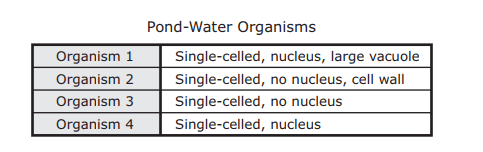
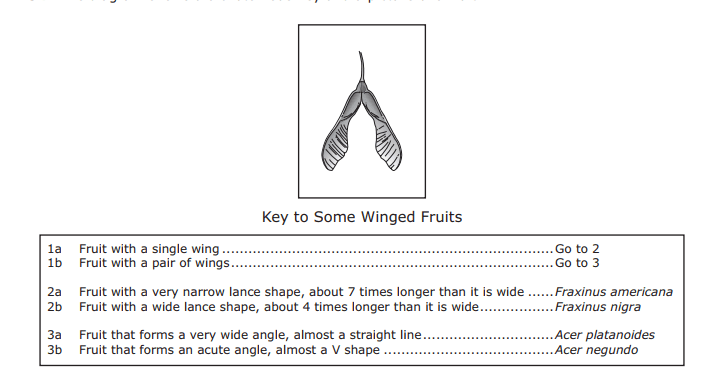
Categorize organisms using a hierarchical classification system based on similarities and differences shared among groups.
Recognize the significance of meiosis to sexual reproduction.
Describe the interactions that occur among systems that perform the functions of regulation, nutrient absorption, reproduction, and defense from injury or illness in animals.
Summarize the role of microorganisms in both maintaining and disrupting the health of both organisms and ecosystems.
Compare the structures of viruses to cells, describe viral reproduction, and describe the role of viruses in causing diseases such as human immunodeficiency virus (HIV) and influenza.
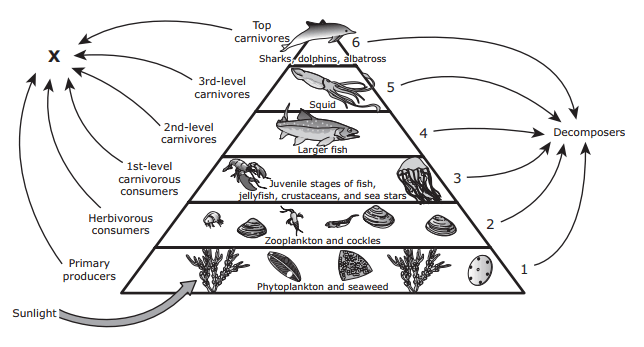
Analyze the flow of matter and energy through trophic levels using various models, including food chains, food webs, and ecological pyramids.
The student knows the mechanisms of genetics such as the role of nucleic acids and the principles of Mendelian and non-Mendelian genetics.
Analyze the levels of organization in biological systems and relate the levels to each other and to the whole system.
Recognize that components that make up the genetic code are common to all organisms.
Analyze and evaluate the relationship of natural selection to adaptation and to the development of diversity in and among species.
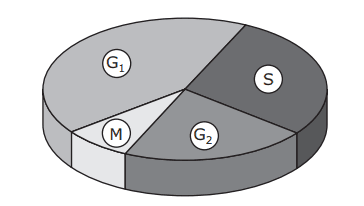
Describe the stages of the cell cycle, including deoxyribonucleic acid (DNA) replication and mitosis, and the importance of the cell cycle to the growth of organisms.
Interpret relationships, including predation, parasitism, commensalism, mutualism, and competition, among organisms.
Predict possible outcomes of various genetic combinations such as monohybrid crosses, dihybrid crosses, and non-Mendelian inheritance.
Describe how events and processes that occur during ecological succession can change populations and species diversity.
Investigate and explain cellular processes, including homeostasis and transport of molecules.
Recognize that gene expression is a regulated process.
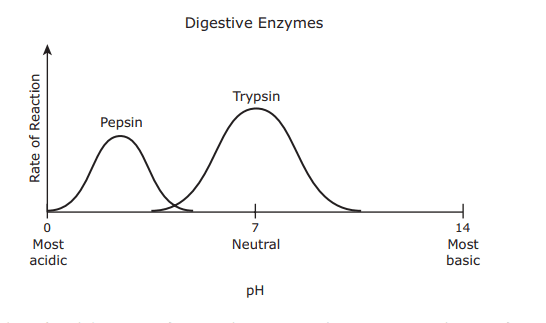
Identify and investigate the role of enzymes.
Recognize that disruptions of the cell cycle lead to diseases such as cancer.
Define taxonomy and recognize the importance of a standardized taxonomic system to the scientific community.
Describe the flow of matter through the carbon and nitrogen cycles and explain the consequences of disrupting these cycles.
Compare the reactants and products of photosynthesis and cellular respiration in terms of energy, energy conversions, and matter.
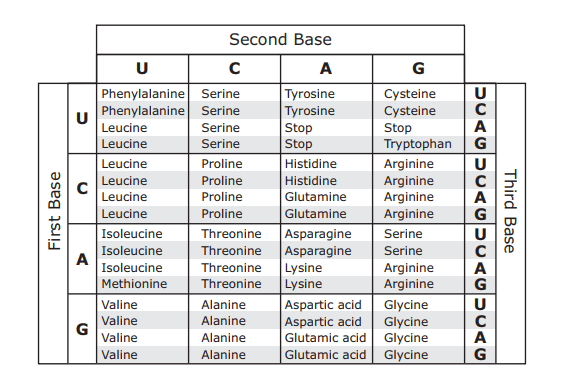
Explain the purpose and process of transcription and translation using models of DNA and RNA.
Analyze and evaluate how the elements of natural selection, including inherited variation, the potential of a population to produce more offspring than can survive, and a finite supply of environmental resources, result in differential reproductive success.
Track each student's skills and progress in your Mastery dashboards