Analyze the impact of physical and human geographic factors on the settlement of the Great Plains, the Klondike Gold Rush, the Panama Canal, the Dust Bowl, and the levee failure in New Orleans after Hurricane Katrina.
Track each student's skills and progress in your Mastery dashboards
Give this quiz to my class
Q 1/7
Score 0
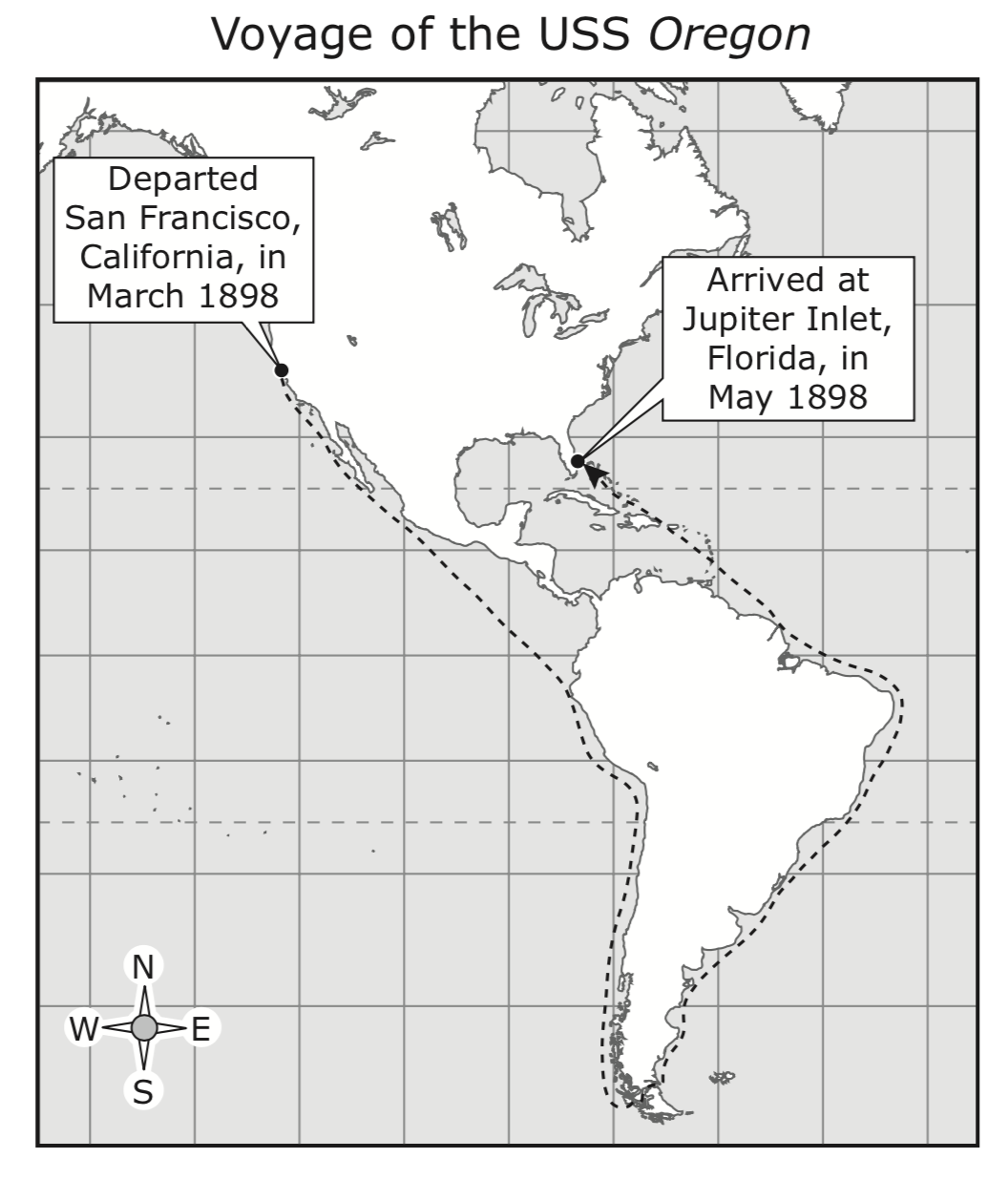
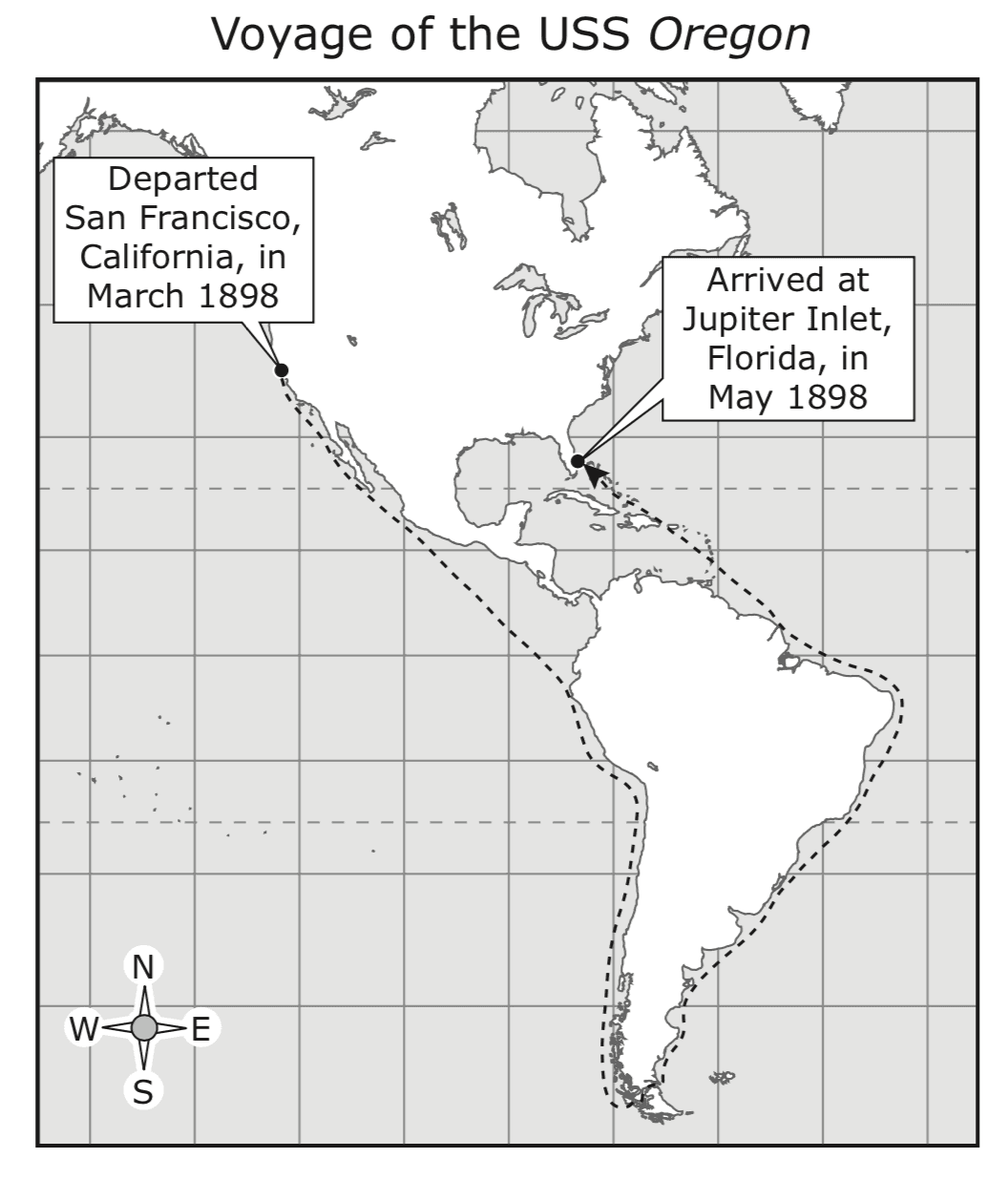
Which outcome was an important effect of the 1898 event illustrated by this map?
60
Increased U.S. foreign aid to the developing countries in South America
Increased U.S. public support for the construction of a canal through Central America
Decreased U.S. naval presence in the Caribbean Sea
Decreased U.S. economic influence in the Western Hemisphere
Q 2/7
Score 0
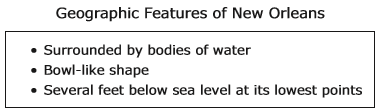
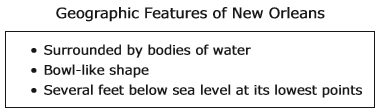
How did these features affect New Orleans after Hurricane Katrina?
30
Mud slides trapped residents in the city.
Storm waters flooded the city after several levees broke.
Tornadoes gained momentum in open land areas.
Storm surges caused a massive shift in tectonic plates.
7 questions
Q.
Which outcome was an important effect of the 1898 event illustrated by this map?
1
60 sec
H.12.A: Physical & Human Geographic Factors
Q.
How did these features affect New Orleans after Hurricane Katrina?
2
30 sec
H.12.A: Physical & Human Geographic Factors
Q.
Which of these factors contributed most to the Dust Bowl?
3
60 sec
H.12.A: Physical & Human Geographic Factors
Q.
Which sentence best completes this diagram?
4
60 sec
H.12.A: Physical & Human Geographic Factors
Q.
What was the main effect of the changes shown in this graph on the western United States?
5
60 sec
H.12.A: Physical & Human Geographic Factors
Q.
Which factor contributed most to the flooding in New Orleans during Hurricane Katrina?
6
60 sec
H.12.A: Physical & Human Geographic Factors
Q.
What was one factor that helped turn the Great Plains into the Dust Bowl in the 1930s?