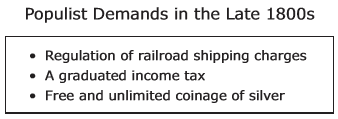
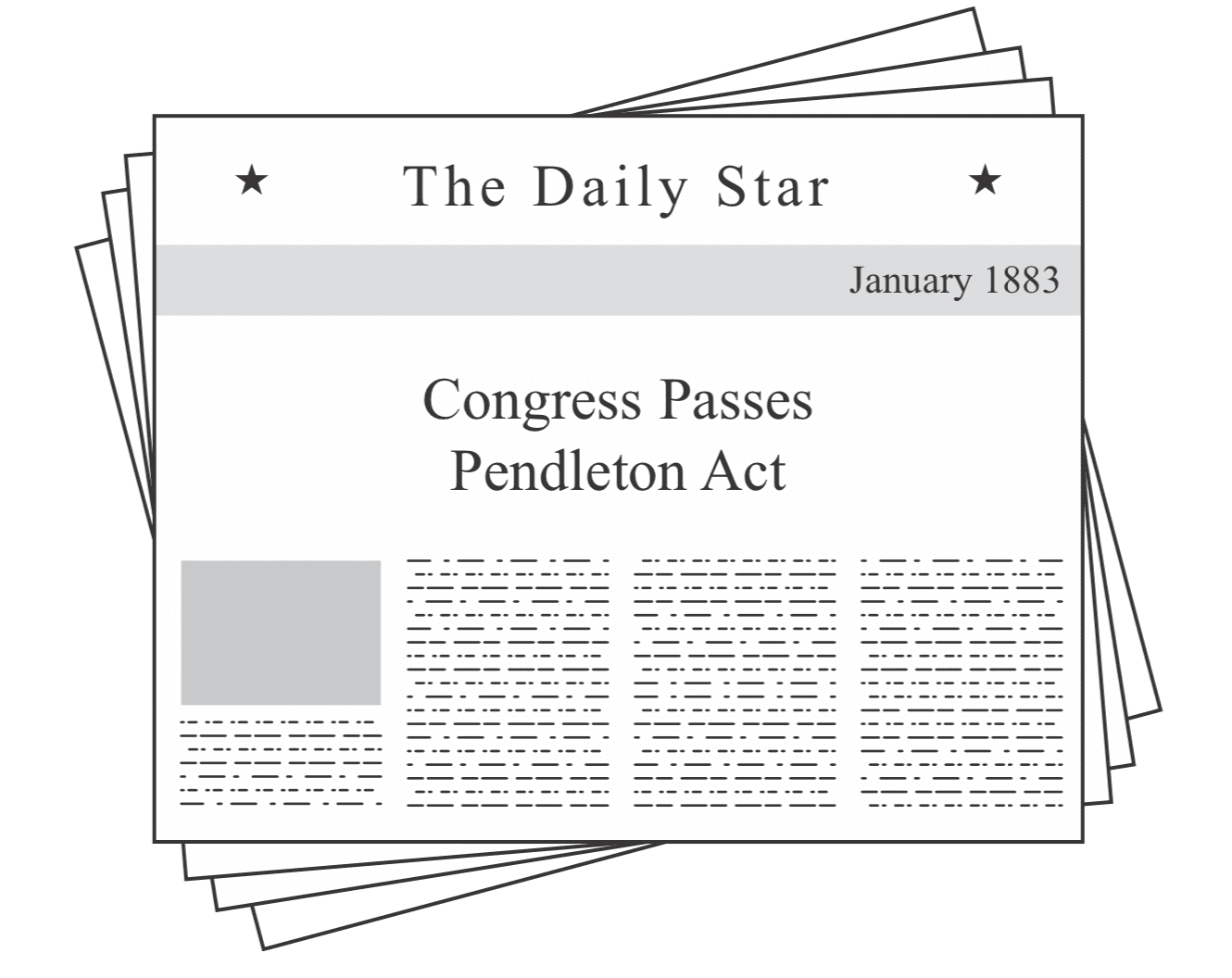
Analyze political issues such as Indian policies, the growth of political machines, civil service reform, and the beginnings of Populism.
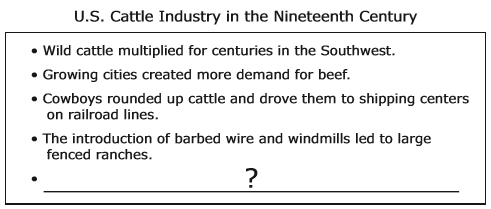
Analyze economic issues such as industrialization, the growth of railroads, the growth of labor unions, farm issues, the cattle industry boom, the rise of entrepreneurship, free enterprise, and the pros and cons of big business.
Identify the major eras in U.S. history from 1877 to the present and describe their defining characteristics.
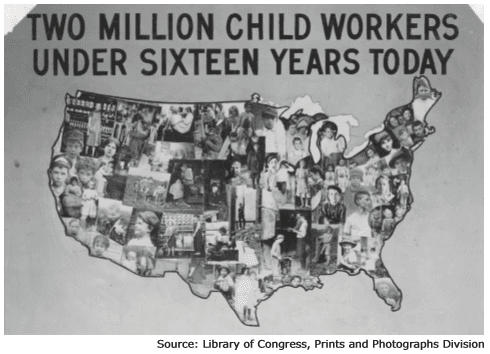
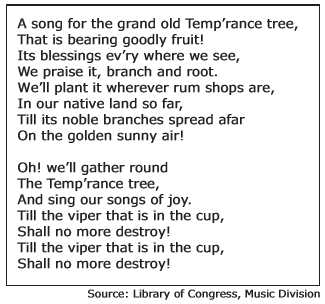
Analyze social issues affecting women, minorities, children, immigrants, urbanization, the Social Gospel, and philanthropy of industrialists.
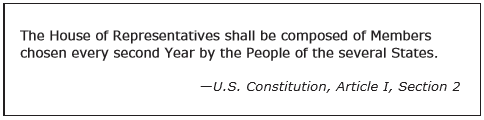
Analyze and evaluate the text, intent, meaning, and importance of the Declaration of Independence and the U.S. Constitution, including the Bill of Rights, and identify the full text of the first three paragraphs of the Declaration of Independence.
explain the significance of the following years as turning points: 1898 (Spanish-American War), 1914-1918 (World War I), 1929 (the Great Depression begins), 1939-1945 (World War II), 1957 (Sputnik launch ignites U.S.-Soviet space race), 1968-1969 (Martin Luther King Jr. assassination and U.S. lands on the moon), 1991 (Cold War ends), 2001 (terrorist attacks on World Trade Center and the Pentagon), and 2008 (election of first black president, Barack Obama).
Analyze and evaluate the application of these founding principles to historical events in U.S. history.
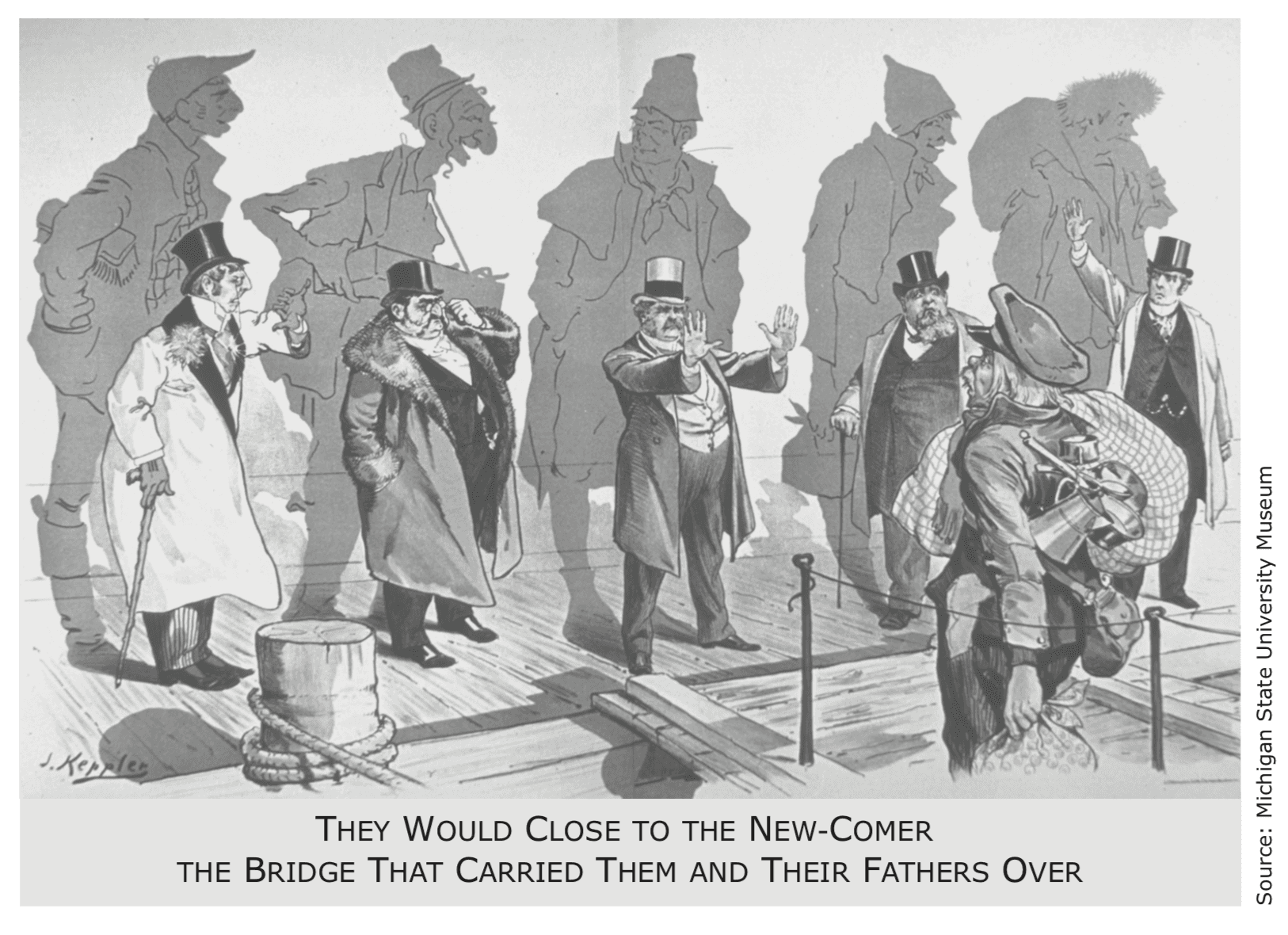
Describe the optimism of the many immigrants who sought a better life in America.
Identify the major characteristics that define an historical era.
Track each student's skills and progress in your Mastery dashboards