Identify and analyze methods of expanding the right to participate in the democratic process, including lobbying, non-violent protesting, litigation, and amendments to the U.S. Constitution.
Evaluate the contributions of significant political and social leaders in the United States such as Andrew Carnegie, Thurgood Marshall, Billy Graham, Barry Goldwater, Sandra Day O'Connor, and Hillary Clinton.
Evaluate various means of achieving equality of political rights, including the 19th, 24th, and 26th amendments and congressional acts such as the American Indian Citizenship Act of 1924.
Discuss Alexis de Tocqueville's five values crucial to America's success as a constitutional republic: liberty, egalitarianism, individualism, populism, and laissez-faire.
Explain how participation in the democratic process reflects our national ethos, patriotism, and civic responsibility as well as our progress to build a "more perfect union."
Track each student's skills and progress in your Mastery dashboards
Give this quiz to my class
Q 1/20
Score 0
What type of political activity is described in this scenario?
60
Protesting
Boycotting
Lobbying
Recalling
Q 2/20
Score 0
President Franklin D. Roosevelt sought to reassure the American public during uncertain economic times by -
60
publishing a weekly news editorial titled "The Road to Prosperity and Peace"
holding weekly town-hall meetings with average citizens
making short appearances in a variety of Hollywood films
delivering a series of evening radio speeches known as fireside chats
20 questions
Q.
What type of political activity is described in this scenario?
1
60 sec
H.23.A: Democratic Rights
Q.
President Franklin D. Roosevelt sought to reassure the American public during uncertain economic times by -
2
60 sec
H.24.B: Significant Political & Social Leaders
Q.
What was one way the constitutional amendment excerpted above helped advance the cause of gender equality?
3
60 sec
H.23.B: Equality Of Political Rights
Q.
Which quotation could most likely be attributed to Sandra Day O'Connor?
4
30 sec
H.24.B: Significant Political & Social Leaders
Q.
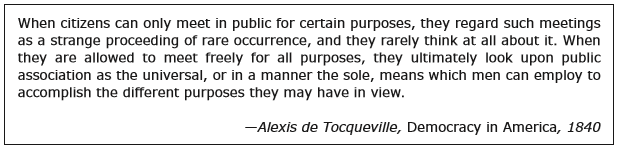
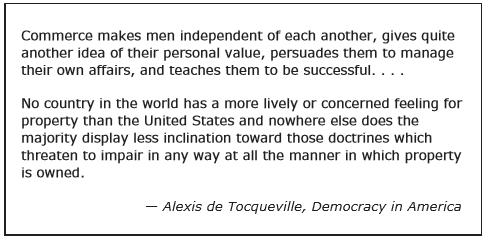
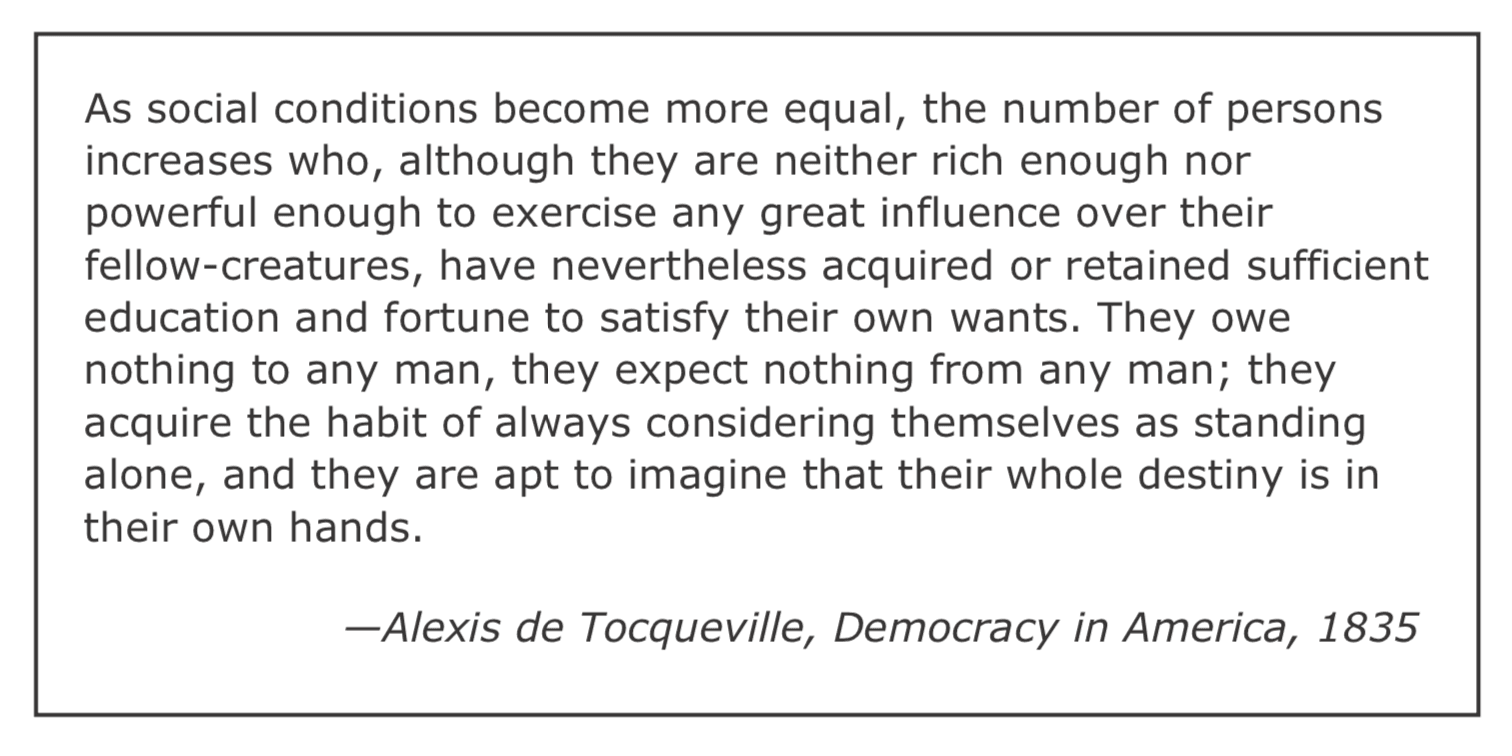
Which value is best reflected in this excerpt?
5
30 sec
H.22.A: Alexis De Tocqueville's Five Values
Q.
The Twenty-second Amendment was passed in response to which event?
6
30 sec
H.23.A: Democratic Rights
Q.
Which civic action demonstrates the most fundamental responsibility of citizens in a democracy?
7
30 sec
H.23.C: Democratic Participation
Q.
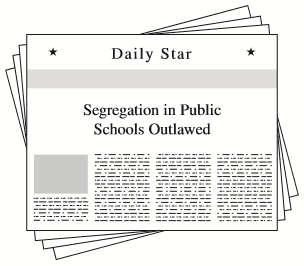
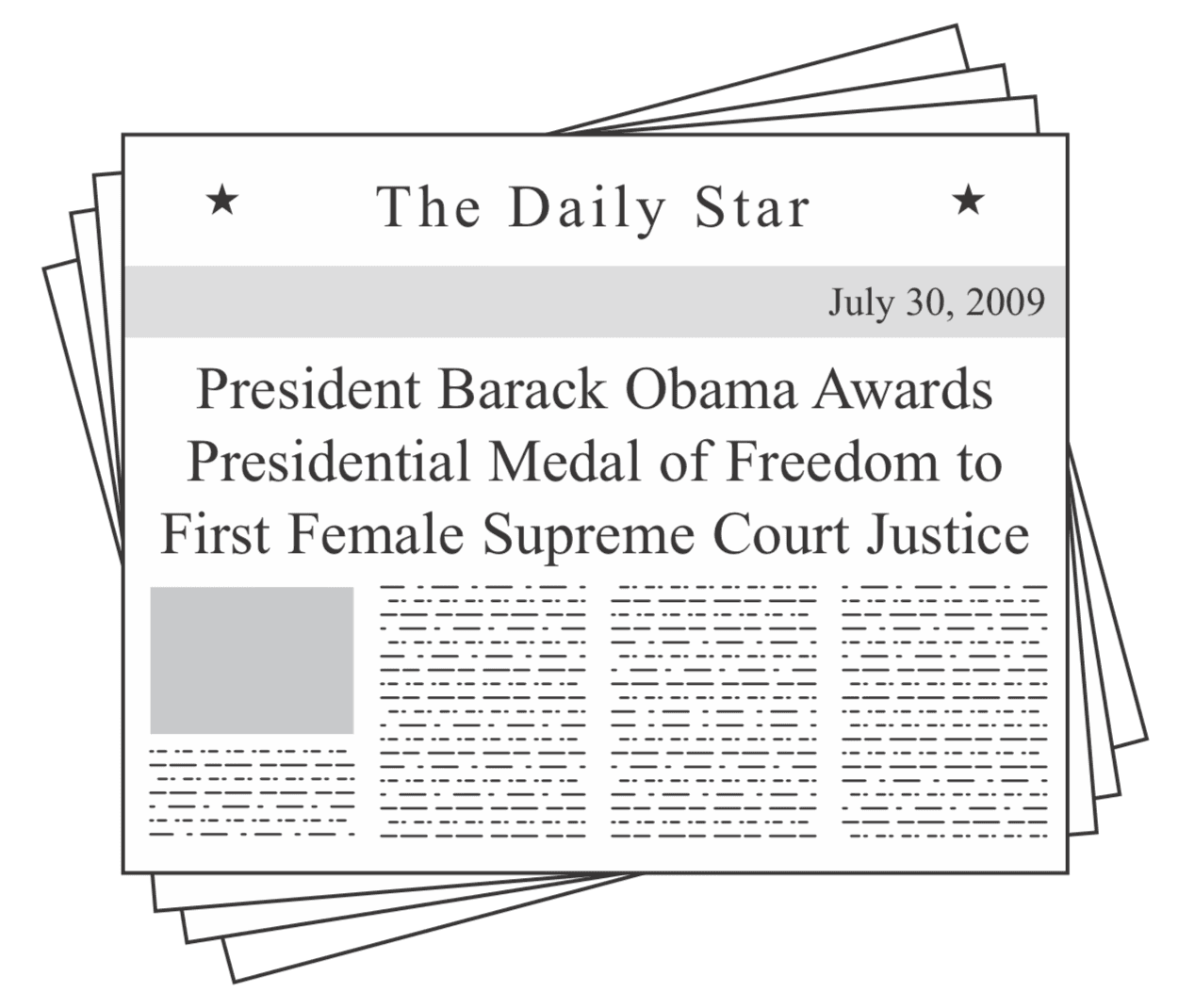
Who was most instrumental in the event described in this headline?
8
60 sec
H.24.B: Significant Political & Social Leaders
Q.
The goal of this resolution was eventually achieved with the -
9
60 sec
H.23.A: Democratic Rights
Q.
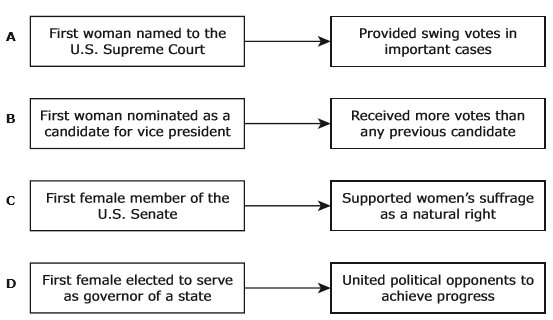
Which diagram is about Sandra Day O'Connor?
10
60 sec
H.24.B: Significant Political & Social Leaders
Q.
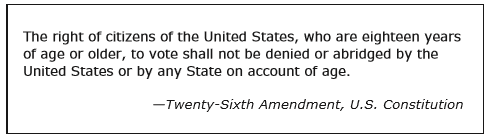
This amendment gained support based on the belief that people should have the right to vote if they are old enough to -
11
60 sec
H.23.A: Democratic Rights
Q.
Which action is an example of the type of participation described above?
12
60 sec
H.23.C: Democratic Participation
Q.
The Progressive goal to implement women's suffrage was accomplished by -
13
60 sec
H.23.A: Democratic Rights
Q.
Which of the following is an example of fulfilling a civic responsibility?
14
60 sec
H.23.C: Democratic Participation
Q.
Which value important to America's success as a constitutional republic is best illustrated in this excerpt?
15
60 sec
H.22.A: Alexis De Tocqueville's Five Values
Q.
How did Andrew Carnegie contribute to civic and social life in the United States?
16
60 sec
H.24.B: Significant Political & Social Leaders
Q.
Which American value is described in this excerpt?
17
30 sec
H.22.A: Alexis De Tocqueville's Five Values
Q.
Who is the recipient of this award?
18
30 sec
H.24.B: Significant Political & Social Leaders
Q.
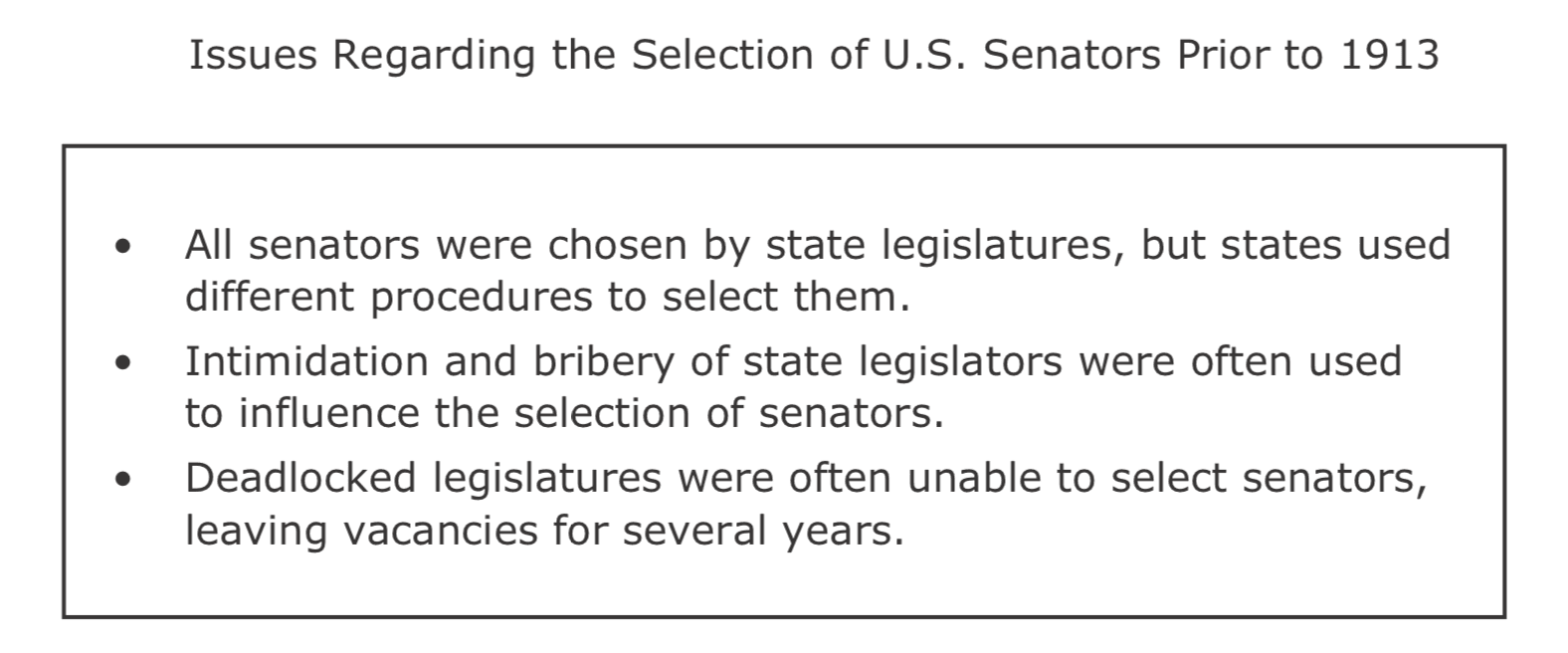
Which of the following was implemented in 1913 to solve these problems?
19
30 sec
H.23.A: Democratic Rights
Q.
Which action is the best example of a civic responsibility?