Our brand new solo games combine with your quiz, on the same screen

Correct quiz answers unlock more play!

New Quizalize solo game modes
43 questions
Show answers
  • Q1
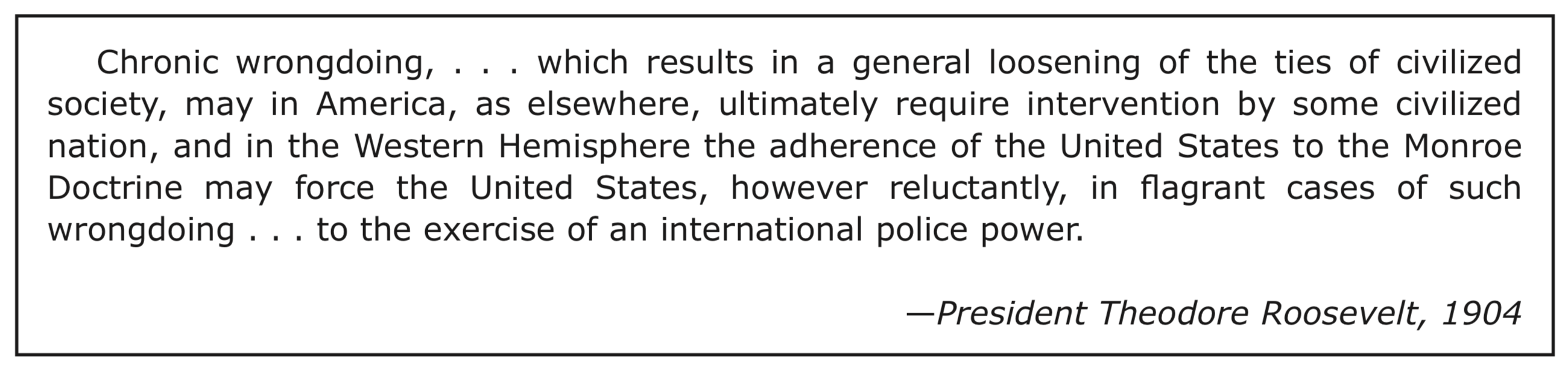
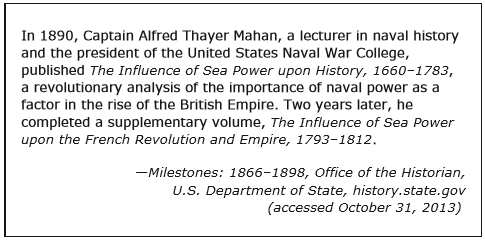
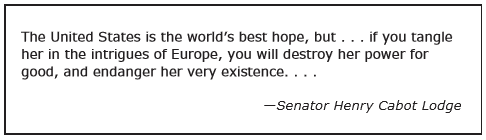
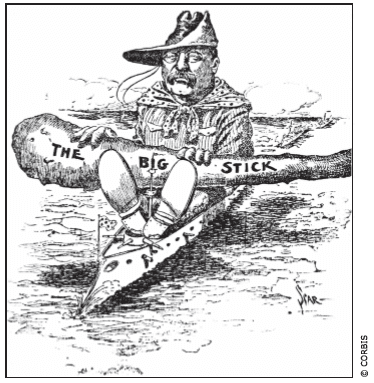
    President Roosevelt issued this statement in response to -
    Question Image
    public outcry regarding war between Russia and Japan
    Spanish efforts to suppress a rebellion in Cuba
    the threat of European intervention in Latin America
    the construction of a canal in Panama
    60s
    H.4.A: World Power
  • Q2
    Upon entering World War I, the United States enlarged its military by -
    passing the Selective Service Act
    establishing the Marine Corps
    enacting the GI Bill
    creating the Veterans Administration
    60s
    H.4.F: U.S. Involvement in WWI
  • Q3
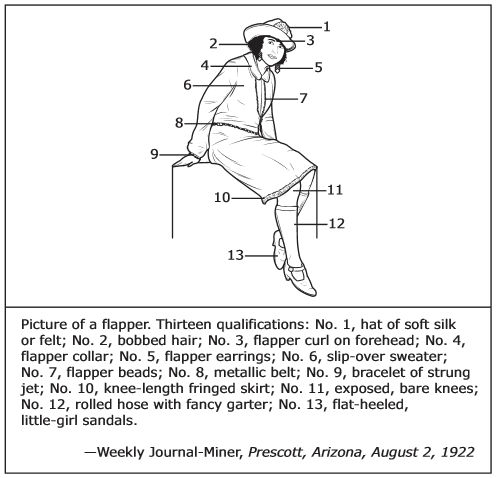
    During the 1920s, Clarence Darrow and William Jennings Bryan were most closely identified with the -
    conflict between modernism and traditionalism
    development of new forms of popular entertainment
    increased use of credit by U.S. consumers
    decline of public support for Progressive reforms
    60s
    H.6.B: Significant Individuals
  • Q4
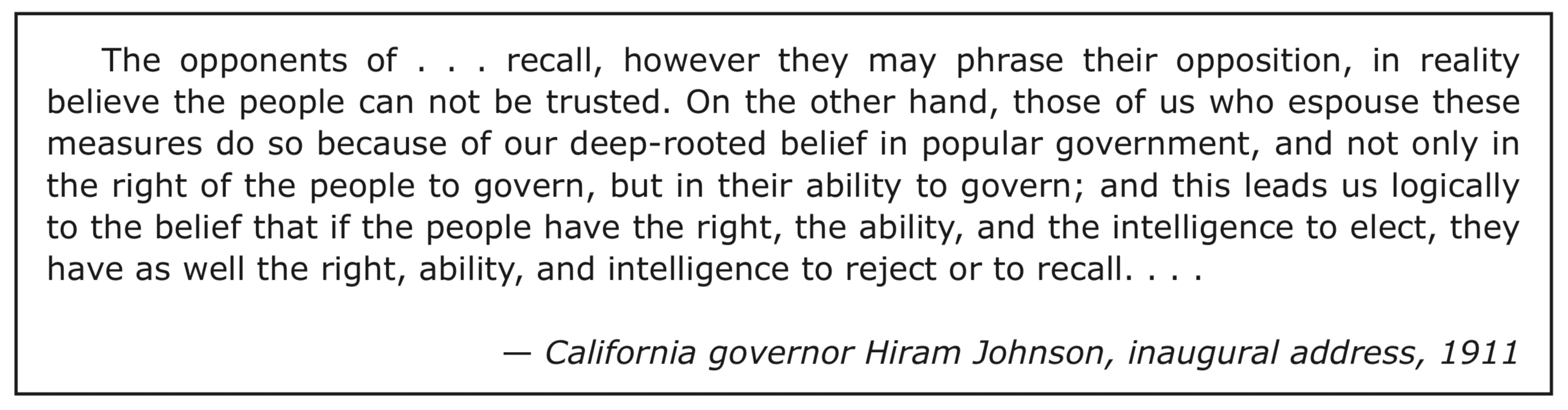
    The reform discussed by Governor Johnson in this excerpt -
    Question Image
    required elected officials to communicate regularly with the public
    created new eligibility requirements for candidates for public office
    made elected officials more directly accountable to their constituents
    provided citizens with more resources to run for office
    60s
    H.5.A: Progressive Era Reforms
  • Q5
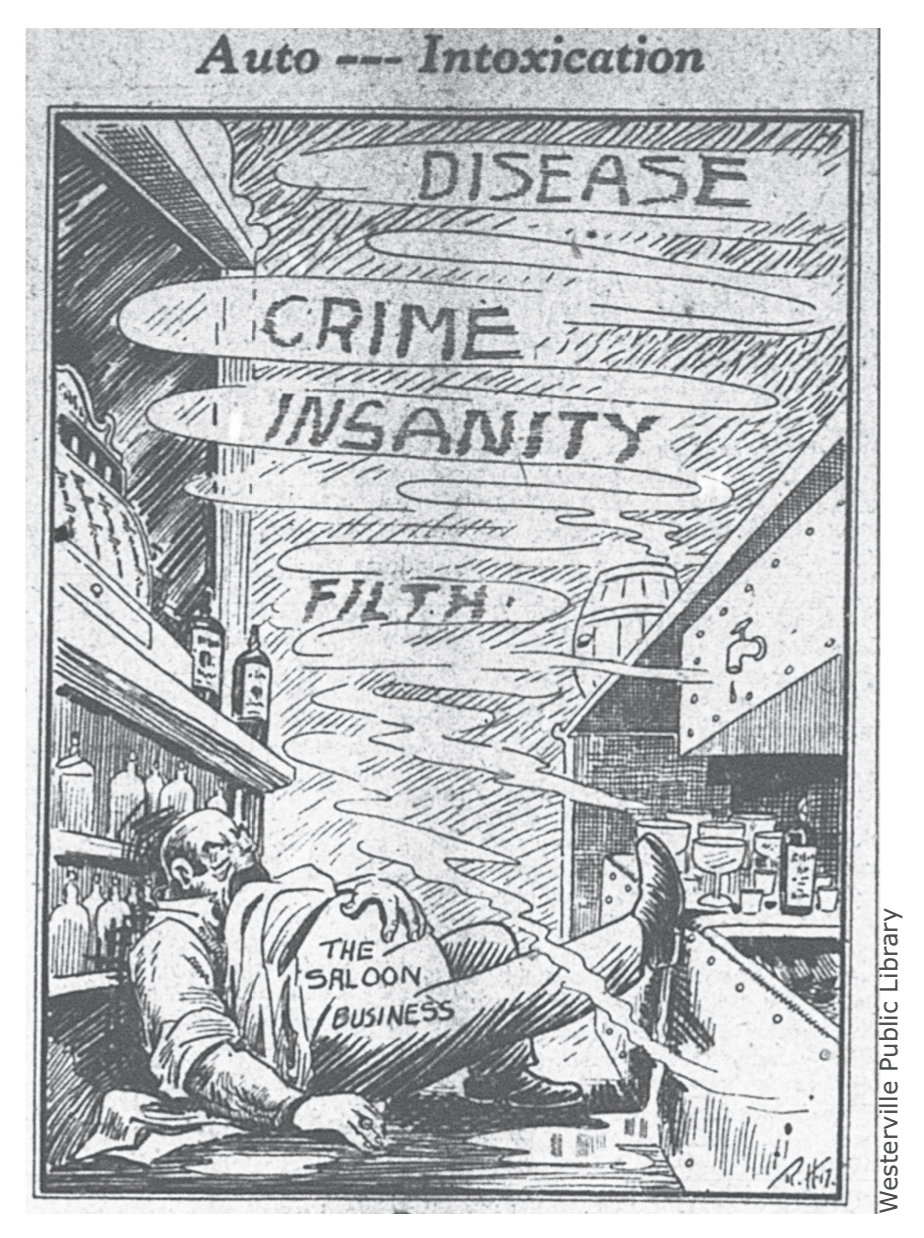
    Which of these resulted from the prohibition of alcohol during the 1920s?
    A growing fear of communism
    A decline in immigration rates
    The expansion of the consumer economy
    The rise of organized crime
    60s
    H.6.A: Causes/Effects Of Events And Social Issues
  • Q6
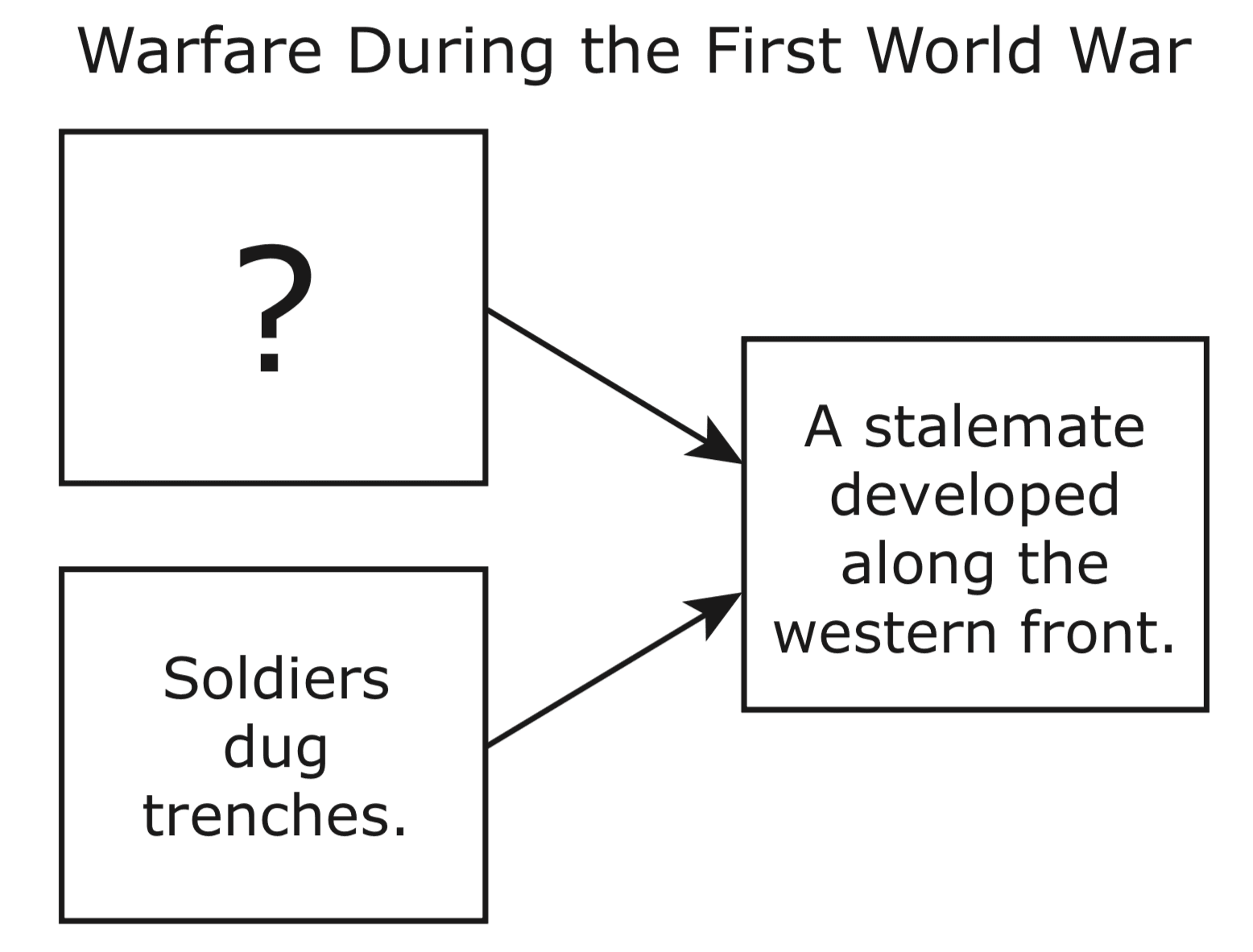
    Which action completes this diagram?
    Question Image
    The use of machine guns resulted in massive casualties.
    Submarines attacked unarmed ships.
    Armored tanks crossed fortified lines.
    Airplanes conducted reconnaissance missions.
    60s
    H.4.E: Technological Innovations In WWI
  • Q7
    General John J. Pershing made a major contribution to the Allied victory in World War I by -
    negotiating the terms of the Treaty of Versailles
    transforming inexperienced troops into an effective military force
    requesting humanitarian aid from Congress for war-torn countries
    developing advanced technologies for battlefield use
    60s
    H.4.D: American Expeditionary Forces
  • Q8
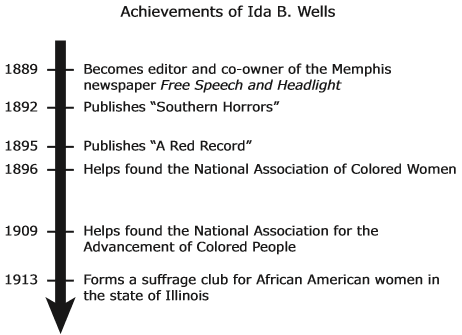
    A student learning about U.S. history is instructed to write a paper about W. E. B. Du Bois and race relations in the United States. Which of the following facts would be most relevant to the student's assignment?
    The March on Washington helped rally nationwide support for the Civil Rights movement.
    The NAACP was organized to help secure full legal equality for minority citizens.
    The Selma-to-Montgomery protest marches helped secure voting rights for minority citizens.
    The Civil Rights Act of 1968 outlawed many forms of discrimination in the housing market.
    60s
    H.5.B: Muckrakers & Reform Leaders
  • Q9
    How did the Zimmermann telegram influence U.S. entry into World War I?
    It announced the czar's overthrow in Russia.
    It revealed a proposed military alliance between Mexico and Germany.
    It described Romania's plan to abandon neutrality.
    It contained orders for German U-boats to destroy British passenger ships.
    60s
    H.4.C: World War I
  • Q10
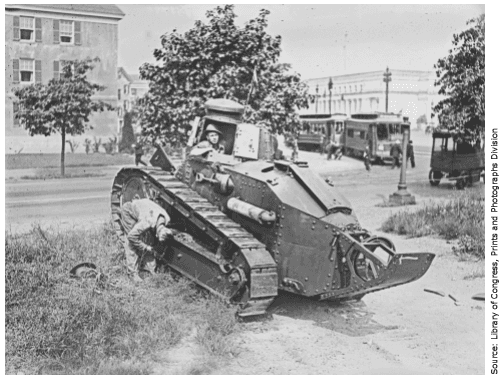
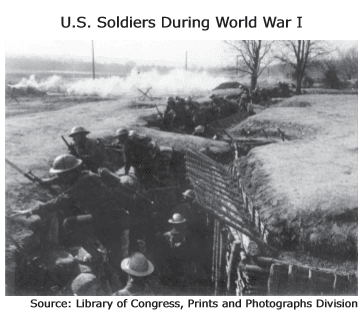
    How did the military innovation shown in this photograph affect the course of World War I?
    Question Image
    It made communications with officers on the front lines possible.
    It made the use of land mines obsolete.
    It helped break the stalemate of trench warfare.
    It helped transport large numbers of troops to the battlefield.
    30s
    H.4.E: Technological Innovations In WWI
  • Q11
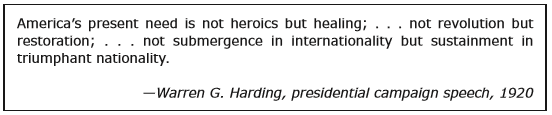
    This excerpt illustrates Harding's campaign promise to be a president who would -
    Question Image
    help the country recover from the turmoil of the previous decade
    improve economic growth by promoting unrestricted immigration
    refuse to allow the continuation of laissez-faire economic policies
    use diplomacy to establish alliances with other countries
    30s
    H.6.B: Significant Individuals
  • Q12
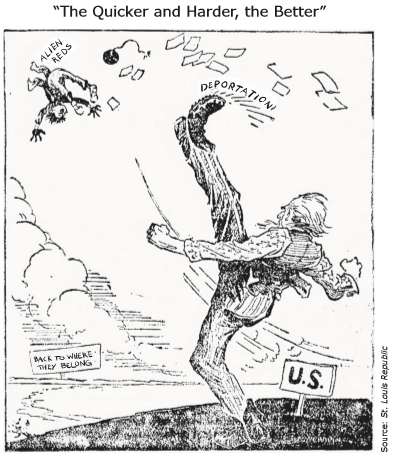
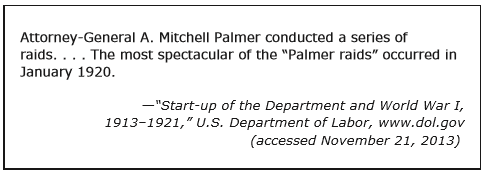
    Cartoons such as this one took the position that deportation was necessary because -
    Question Image
    communists were infiltrating the United States
    political machines had too much power in urban areas
    assimilation programs in the United States had been unsuccessful
    economic decline had increased the competition for jobs
    30s
    H.6.A: Causes/Effects Of Events And Social Issues
  • Q13
    The creation of initiative, referendum, and recall procedures during the Progressive Era resulted in -
    a redistribution of the tax burden among citizens
    the expansion of citizens' direct participation in the democratic process
    more sources of revenue for state governments
    a system of separate schools for new immigrants
    30s
    H.5.A: Progressive Era Reforms
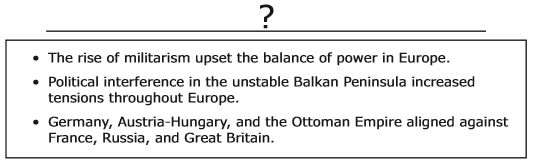
  • Q14
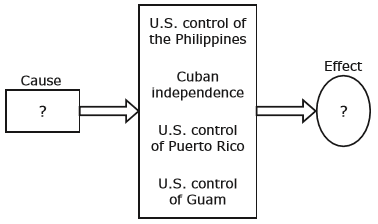
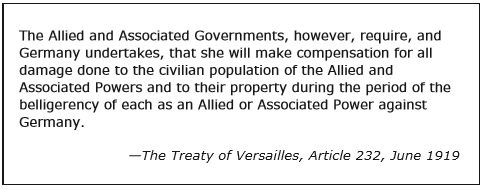
    Which sentence provides information needed to complete both the cause and effect portions of this diagram?
    Question Image
    The 1919 Treaty of Versailles contributed to the start of World War II in Europe.
    The 1914 opening of the Panama Canal encouraged international trade.
    The 1929 stock-market crash set off the Great Depression in the United States.
    The 1898 Spanish-American War led to world power status for the United States.
    30s
    H.4.A: World Power
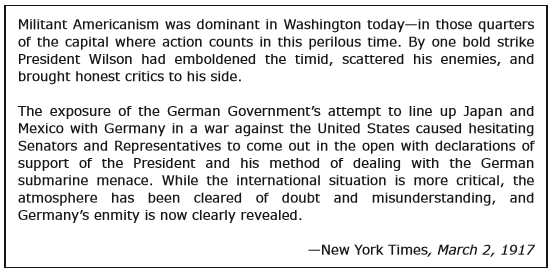
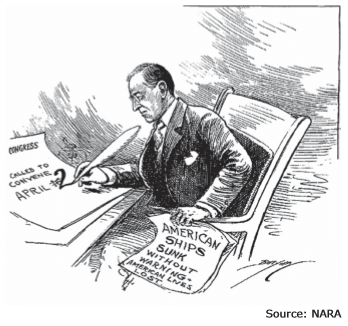
  • Q15
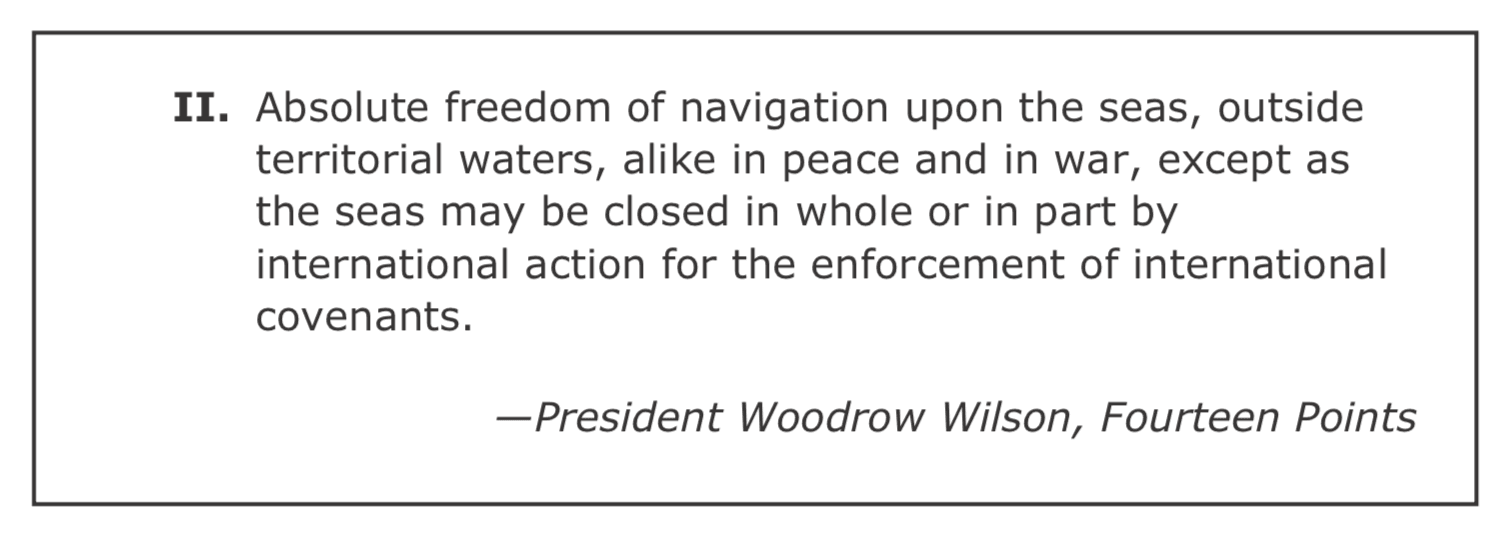
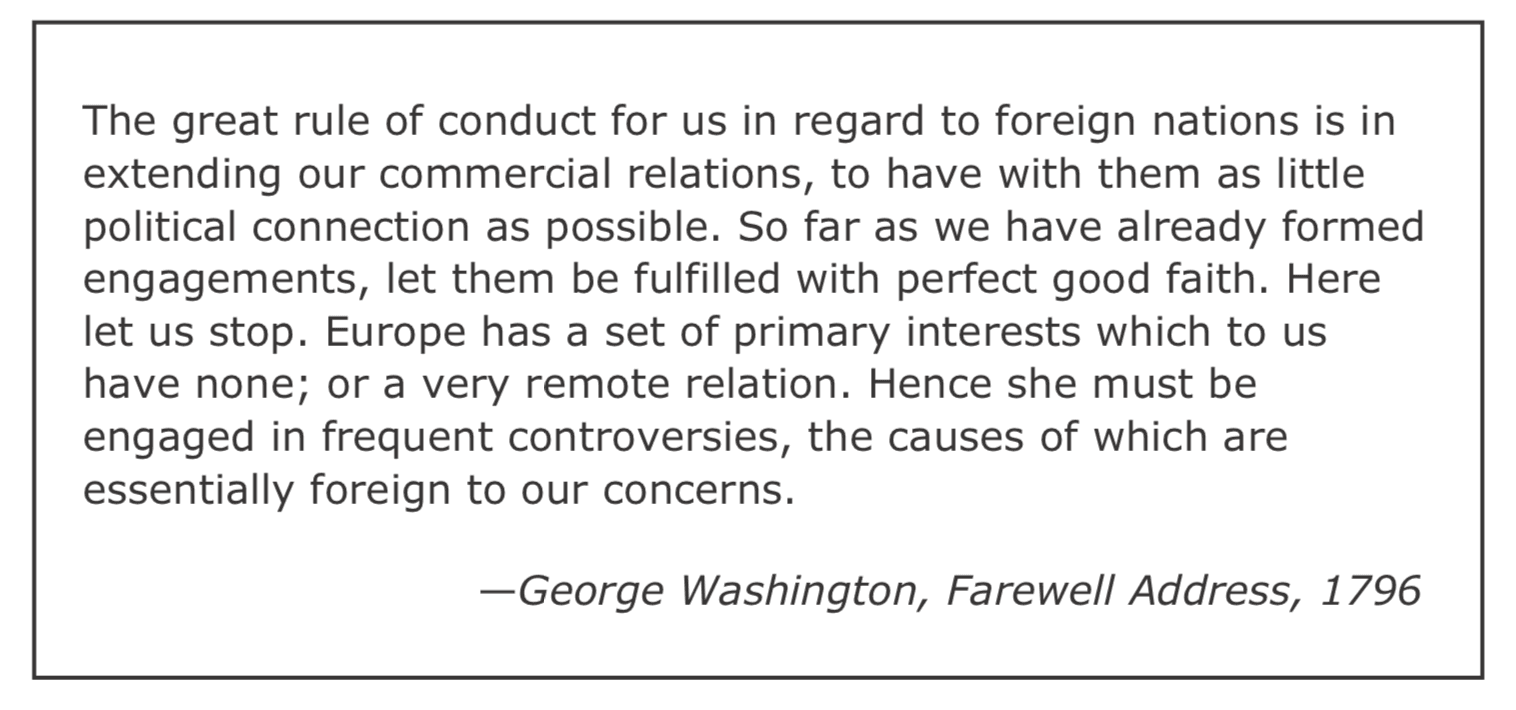
    What was one result of the events reported in the excerpt above?
    Question Image
    The U.S. government boycotted goods imported from Europe.
    The U.S. government abandoned its official policy of neutrality.
    Germany's navy blockaded several Mexican seaports.
    Germany financed the Mexican army's attempted invasion of the United States.
    30s
    H.4.C: World War I

Teachers give this quiz to your class