explore the uses of energy, including mechanical, light, thermal, electrical, and sound energy
Track each student's skills and progress in your Mastery dashboards
Give this quiz to my class
Q 1/11
Score 0
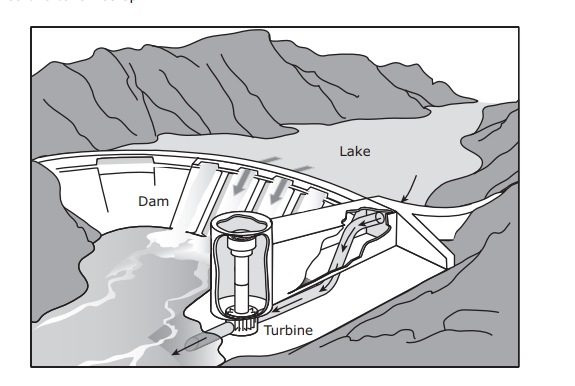
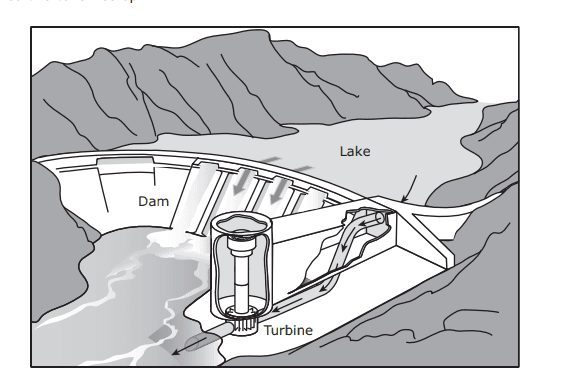
Water flows through turbines in dams like the one shown below. The flowing water makes the turbines spin. What type of energy is used to make the turbines spin in this type of dam?
60
Mechanical energy
Thermal energy
Light energy
Sound energy
Q 2/11
Score 0
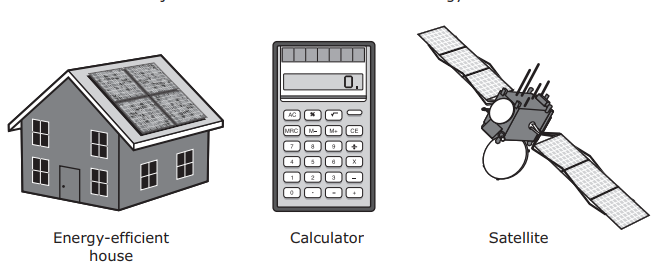
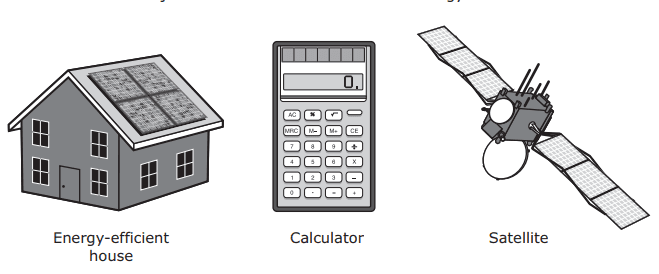
Three different objects that use the same source of energy are shown below. What is the energy source for these objects?
60
Electrical energy
Light energy
Sound energy
Mechanical energy
11 questions
Q.
Water flows through turbines in dams like the one shown below. The flowing water makes the turbines spin. What type of energy is used to make the turbines spin in this type of dam?
1
60 sec
5.6.A: Force, Motion and Energy
Q.
Three different objects that use the same source of energy are shown below. What is the energy source for these objects?
2
60 sec
5.6.A: Force, Motion and Energy
Q.
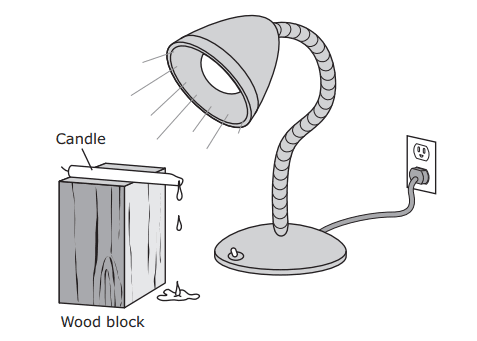
A class is learning about states of matter. The teacher shows the students how to set up the investigation shown in the diagram. What kinds of energy are needed in this investigation to change the state of matter of the candle?
3
60 sec
5.6.A: Force, Motion and Energy
Q.
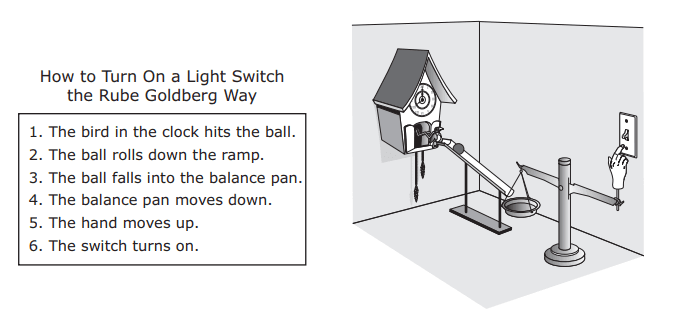
Rube Goldberg was an artist who drew cartoons that showed a very complicated way to do a simple task. The picture below shows a cartoon like the ones Goldberg drew. Which form of energy is used to turn on the switch?
4
60 sec
5.6.A: Force, Motion and Energy
Q.
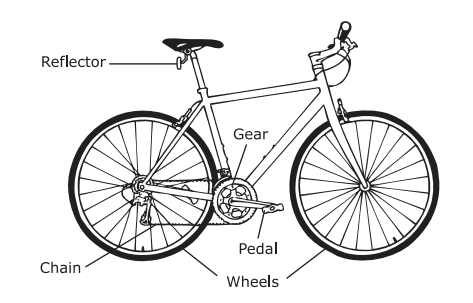
Many people ride a bicycle for fun and exercise. Some people ride a bicycle to work because it saves money and benefits the environment by reducing the use of fossil fuels. Which of these is not an example of the bicycle using mechanical energy?
5
60 sec
5.6.A: Force, Motion and Energy
Q.
When a bat searches for prey at night, it makes sounds as it flies, and it uses the sounds’ echoes to find its prey. When the bat flies and listens to echoes to locate prey, it is using —
6
60 sec
5.6.A: Force, Motion and Energy
Q.
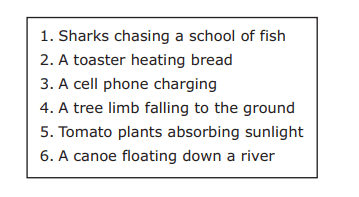
A student made a list of activities that involve energy. Which activities on the list are examples of the use of mechanical energy?
7
60 sec
5.6.A: Force, Motion and Energy
Q.
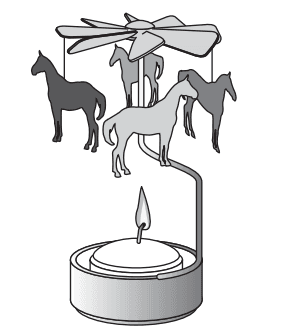
An old-fashioned metal toy is shown below. When the candle is lit, the carousel of horses begins to turn. Which of these correctly describes the energy that makes the carousel turn?
8
60 sec
5.6.A: Force, Motion and Energy
Q.
A student uses a set of headphones to listen to music. Which of these objects uses the same source of energy as the headphones?
9
60 sec
5.6.A: Force, Motion and Energy
Q.
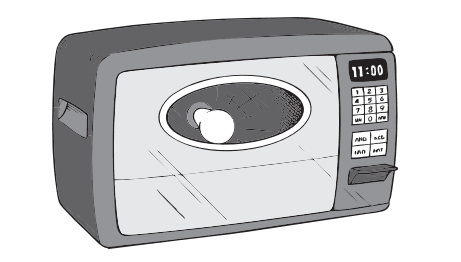
The toy oven shown uses a lightbulb to bake small cakes. What types of energy does the toy oven use to bake the cakes?
10
60 sec
5.6.A: Force, Motion and Energy
Q.
Which object requires only mechanical energy to perform its main function?