represent one- and two-step problems involving addition and subtraction of whole numbers to 1,000 using pictorial models, number lines, and equations
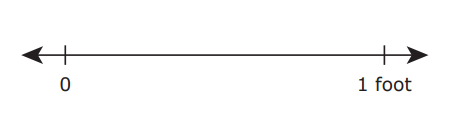
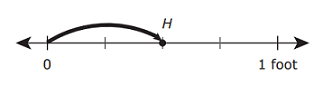
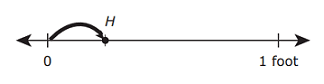
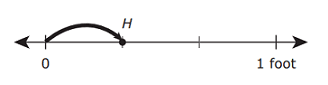
represent fractions of halves, fourths, and eighths as distances from zero on a number line
determine the area of rectangles with whole number side lengths in problems using multiplication related to the number of rows times the number of unit squares in each row
determine the value of a collection of coins and bills
solve one-step and two-step problems involving multiplication and division within 100 using strategies based on objects; pictorial models, including arrays, area models, and equal groups; properties of operations; or recall of facts
determine if a number is even or odd using divisibility rules
solve with fluency one-step and two-step problems involving addition and subtraction within 1,000 using strategies based on place value, properties of operations, and the relationship between addition and subtraction
classify and sort two- and three-dimensional figures, including cones, cylinders, spheres, triangular and rectangular prisms, and cubes, based on attributes using formal geometric language
represent and solve one- and two-step multiplication and division problems within 100 using arrays, strip diagrams, and equations
summarize a data set with multiple categories using a frequency table, dot plot, pictograph, or bar graph with scaled intervals
compare two fractions having the same numerator or denominator in problems by reasoning about their sizes and justifying the conclusion using symbols, words, objects, and pictorial models
use strategies and algorithms, including the standard algorithm, to multiply a two-digit number by a one-digit number. Strategies may include mental math, partial products, and the commutative, associative, and distributive properties
compare and order whole numbers up to 100,000 and represent comparisons using the symbols >, <, or =
determine the perimeter of a polygon or a missing length when given perimeter and remaining side lengths in problems
represent real-world relationships using number pairs in a table and verbal descriptions
compose and decompose numbers up to 100,000 as a sum of so many ten thousands, so many thousands, so many hundreds, so many tens, and so many ones using objects, pictorial models, and numbers, including expanded notation as appropriate
recall facts to multiply up to 10 by 10 with automaticity and recall the corresponding division facts
determine the solutions to problems involving addition and subtraction of time intervals in minutes using pictorial models or tools such as a 15-minute event plus a 30-minute event equals 45 minutes
represent equivalent fractions with denominators of 2, 3, 4, 6, and 8 using a variety of objects and pictorial models, including number lines
determine a quotient using the relationship between multiplication and division
solve one- and two-step problems using categorical data represented with a frequency table, dot plot, pictograph, or bar graph with scaled intervals
use attributes to recognize rhombuses, parallelograms, trapezoids, rectangles, and squares as examples of quadrilaterals and draw examples of quadrilaterals that do not belong to any of these subcategories
represent a number on a number line as being between two consecutive multiples of 10; 100; 1,000; or 10,000 and use words to describe relative size of numbers in order to round whole numbers
determine the number of objects in each group when a set of objects is partitioned into equal shares or a set of objects is shared equally
Track each student's skills and progress in your Mastery dashboards