describe how the flow of energy derived from the Sun, used by producers to create their own food, is transferred through a food chain and food web to consumers and decomposers
differentiate between inherited traits of plants and animals such as spines on a cactus or shape of a beak and learned behaviors such as an animal learning tricks or a child riding a bicycle
compare the structures and functions of different species that help them live and survive such as hooves on prairie animals or webbed feet in aquatic animals
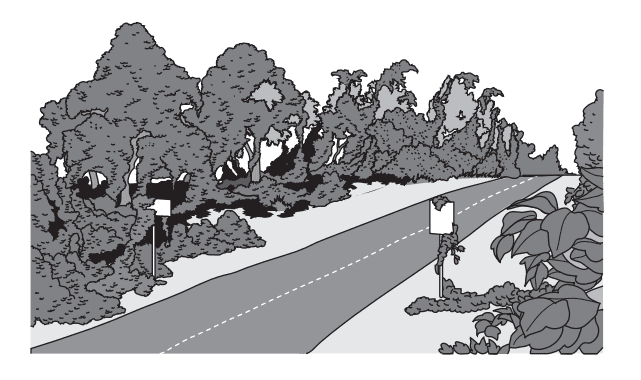
predict the effects of changes in ecosystems caused by living organisms, including humans, such as the overpopulation of grazers or the building of highways
identify the significance of the carbon dioxide-oxygen cycle to the survival of plants and animals
Track each student's skills and progress in your Mastery dashboards
Give this quiz to my class
Q 1/30
Score 0
Some beetles break down the remains of dead animals. Some mushrooms break down the remains of dead trees. How do these actions most benefit plants?
60
By decreasing the population of herbivores
By releasing oxygen into the air
By returning nutrients to the soil
By making space for new animals
Q 2/30
Score 0
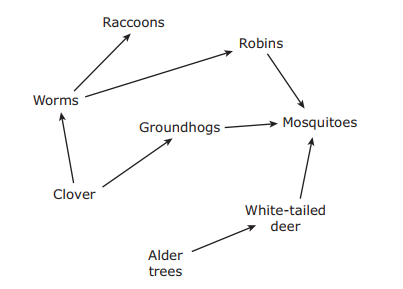
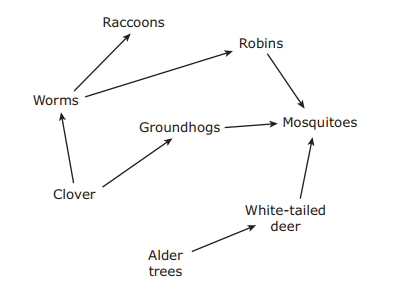
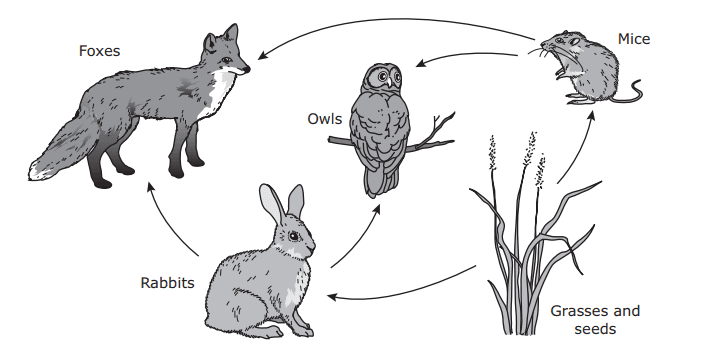
The food web below represents organisms in a field. What role do raccoons play in this food web?
60
Consumer
Producer
Decomposer
Prey
30 questions
Q.
Some beetles break down the remains of dead animals. Some mushrooms break down the remains of dead trees. How do these actions most benefit plants?
1
60 sec
5.9.A: Organisms and Environments
Q.
The food web below represents organisms in a field. What role do raccoons play in this food web?
2
60 sec
5.9.B: Organisms and Environments
Q.
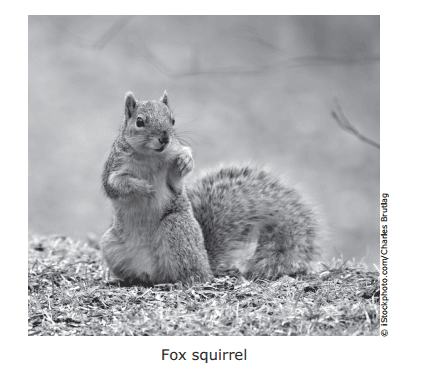
Fox squirrels live in the trees of city parks throughout Texas. Each spring they build nests of twigs and leaves in the tops of the trees. Fox squirrels are often found near park benches, waiting to be fed by visitors. For fox squirrels, which of these is a learned behavior?
3
60 sec
5.10.B: Organisms and Environments
Q.
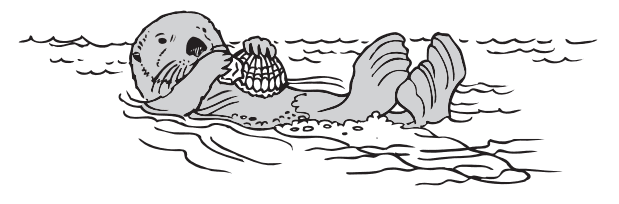
A scientist observes sea otters using rocks to break open clamshells. Which of these investigations would best help the scientist determine whether this skill is a learned or an inherited behavior?
4
60 sec
5.10.B: Organisms and Environments
Q.
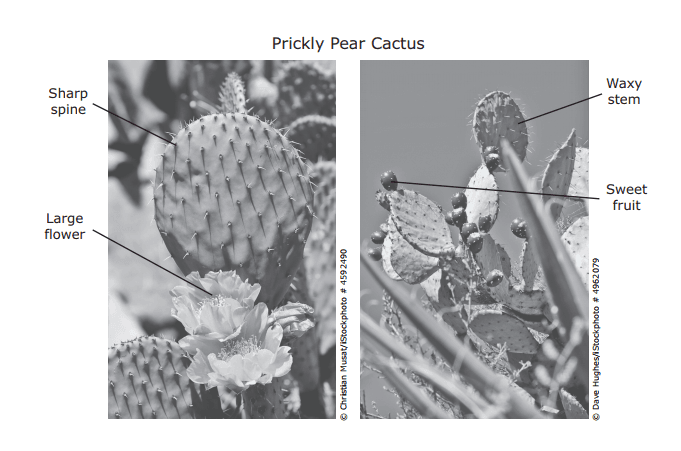
Which two traits best help a cactus conserve water in the dry conditions of a West Texas desert ecosystem?
5
60 sec
5.10.A: Organisms and Environments
Q.
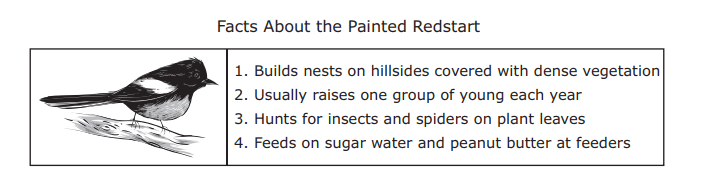
Some facts about a bird called the painted redstart are listed in the box shown below. Which fact best describes one way this bird changes its environment to meet its
needs?
6
60 sec
5.9.A: Organisms and Environments
Q.
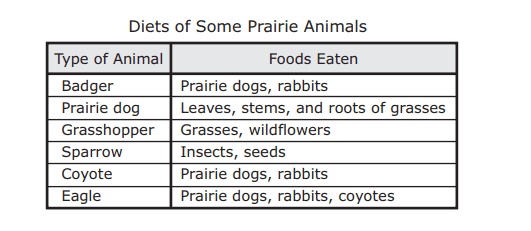
The diets of several types of prairie animals are described in the table below. Which of the following prairie food chains is in the correct order?
7
60 sec
5.9.B: Organisms and Environments
Q.
In fall and winter many trees lose their leaves in response to cooler temperatures and —
8
60 sec
5.9.A: Organisms and Environments
Q.
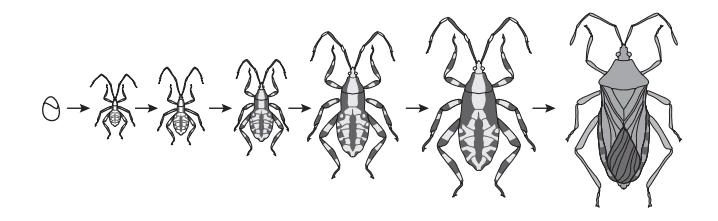
The stages in the development of an insect are shown below. Which observation best supports the conclusion that this insect undergoes incomplete metamorphosis?
9
60 sec
5.10.C: Organisms and Environments
Q.
The picture below shows a type of plant called kudzu. Kudzu is a fast-growing Asian vine that was introduced into the United States. Kudzu quickly uses available resources and can completely cover the plants in an area. What effect does the rapid growth of kudzu most likely have on an ecosystem?
10
60 sec
5.9.C: Organisms and Environments
Q.
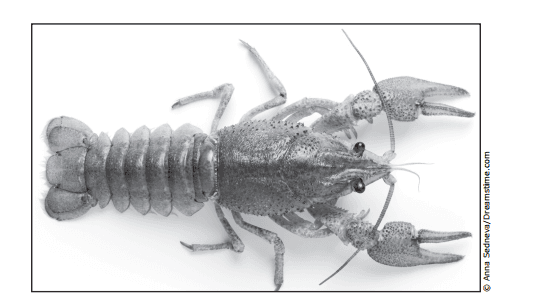
Crayfish live in water and often hide under rocks or plants. They come out to look for food and will eat both plants and animals. Which of these is a trait that a crayfish most likely inherits from its parents?
11
60 sec
5.10.B: Organisms and Environments
Q.
Many types of plants grow in a forest ecosystem. How do plants affect the air that forest animals breathe?
12
60 sec
5.9.D: Organisms and Environments
Q.
Eagles catch fish in rivers with their talons. They fly with the fish to a tree branch and tear the fish into small pieces. Which bird most likely catches and eats its food the way an eagle does?
13
60 sec
5.10.A: Organisms and Environments
Q.
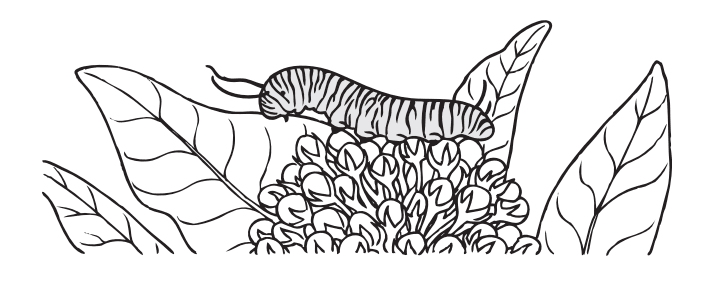
The caterpillars of monarch butterflies eat milkweed leaves. Milkweed leaves contain sap that is toxic to many animals but not to monarch butterfly caterpillars. This sap makes the monarch butterfly caterpillars toxic to predators and protects them from being eaten. Which of these is an inherited trait of monarch butterfly caterpillars?
14
60 sec
5.10.B: Organisms and Environments
Q.
Animals and plants use substances that cycle through the environment. Which substance is needed by plants to survive and is released into the environment by animals?
15
60 sec
5.9.D: Organisms and Environments
Q.
Which table shows the correct role of each organism in the food chain below? Algae→ shrimp →arctic cod→ ringed seals→ polar bears
16
60 sec
5.9.B: Organisms and Environments
Q.
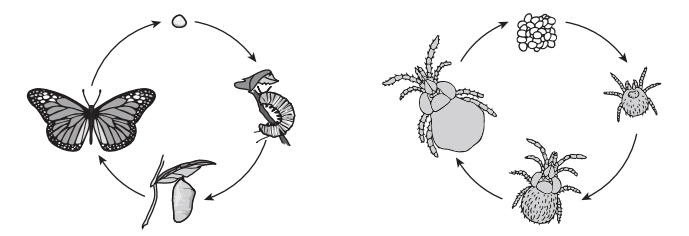
The life cycles of a butterfly and a chigger are shown below. How is the life cycle of chiggers different from the life cycle of butterflies?
17
60 sec
5.10.C: Organisms and Environments
Q.
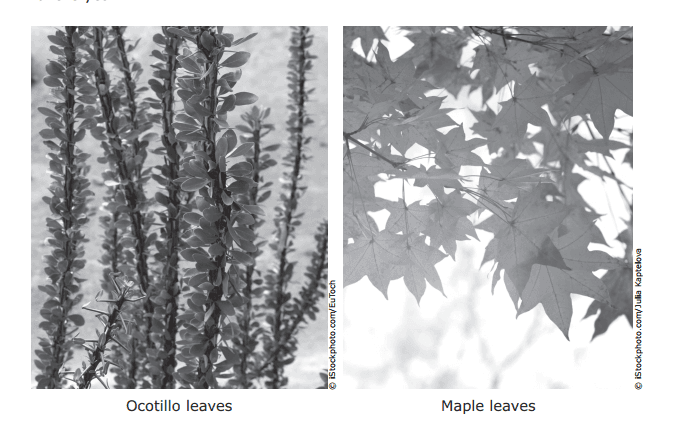
The ocotillo is a desert plant with long, straight branches. Its leaves are small and appear for only a short time after a rain. Most of the time, the branches of the ocotillo do not have leaves. Maple trees grow in areas where water is more abundant than in the desert. Maple leaves can be very large and are present for most months of the year. Ocotillo plants are better adapted for surviving in the desert than maple trees because the characteristics of ocotillo leaves —
18
60 sec
5.10.A: Organisms and Environments
Q.
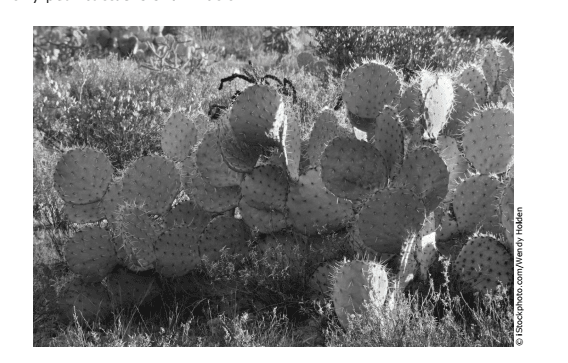
A prickly pear cactus is shown below. The roots of the prickly pear cactus spread out in a wide underground network. How does this type of root system benefit a prickly pear cactus?
19
60 sec
5.9.A: Organisms and Environments
Q.
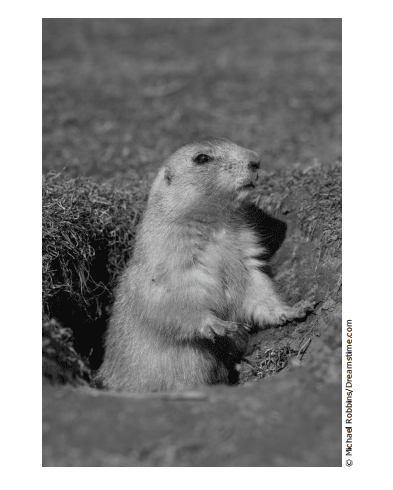
Prairie dogs eat plants and dig underground tunnels. Prairie dog tunnels help break up hard prairie soils, and the animals’ waste adds nutrients to the soil. In the past, large groups of prairie dogs lived in many parts of the U.S. Great Plains, but people have destroyed most of these colonies. Which of these will most likely happen when prairie dogs are removed from an area?
20
60 sec
5.9.C: Organisms and Environments
Q.
In a food chain, energy does NOT flow directly from —
21
60 sec
5.9.B: Organisms and Environments
Q.
Which of these is a learned behavior of a dog?
22
60 sec
5.10.B: Organisms and Environments
Q.
Most kangaroos have large, heavy tails, while spider monkeys have long, thin tails. Kangaroo tails are useful when the kangaroos are hopping and also when they are crawling around on the ground to feed. Spider monkey tails are useful when the spider monkeys are moving through trees. Both of these animals use their tails primarily for —
23
60 sec
5.10.A: Organisms and Environments
Q.
The food web below is made up of organisms that live in a forest. Which change would most likely occur if all the producers in this ecosystem were removed?
24
60 sec
5.9.B: Organisms and Environments
Q.
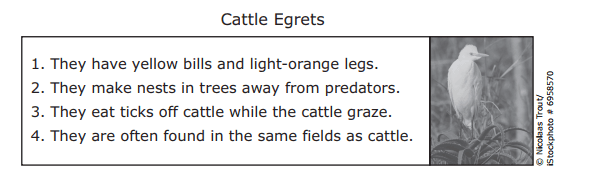
Some facts about birds called cattle egrets are listed below. Which of these facts best describes how these birds depend on other animals to survive?
25
60 sec
5.9.A: Organisms and Environments
Q.
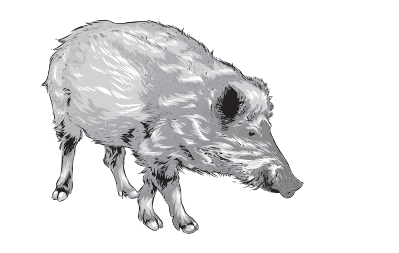
Wild Texas hogs, similar to the one shown below, are descended from hogs brought here from other countries. These wild hogs eat many different kinds of foods, including plants, fungi, and insects. Besides being very destructive to the habitats of other animals, how do wild hogs most likely harm other animals?
26
60 sec
5.9.C: Organisms and Environments
Q.
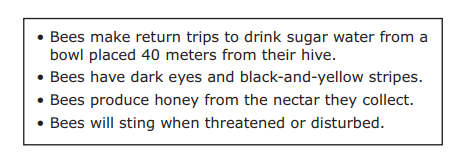
A farmer keeps bees to pollinate crops. The farmer makes several observations about the bees. Which of these observations describes a learned behavior?
27
60 sec
5.10.B: Organisms and Environments
Q.
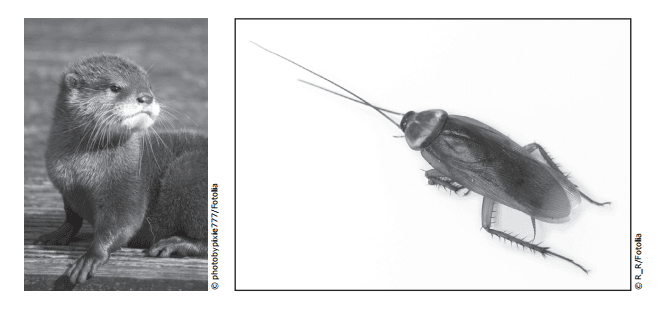
The whiskers of a river otter and the antennae of a cockroach are shown below. How do structures such as whiskers and antennae benefit organisms?
28
60 sec
5.10.A: Organisms and Environments
Q.
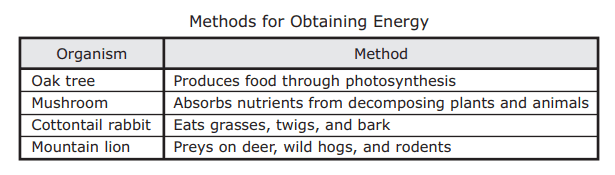
The table below lists ways that four organisms obtain energy. Which organism obtains energy without depending on another organism?
29
60 sec
5.9.A: Organisms and Environments
Q.
Which statement best describes the relationship between humans and plants in the carbon dioxide–oxygen cycle?